What Is a Horizontal Lifeline?
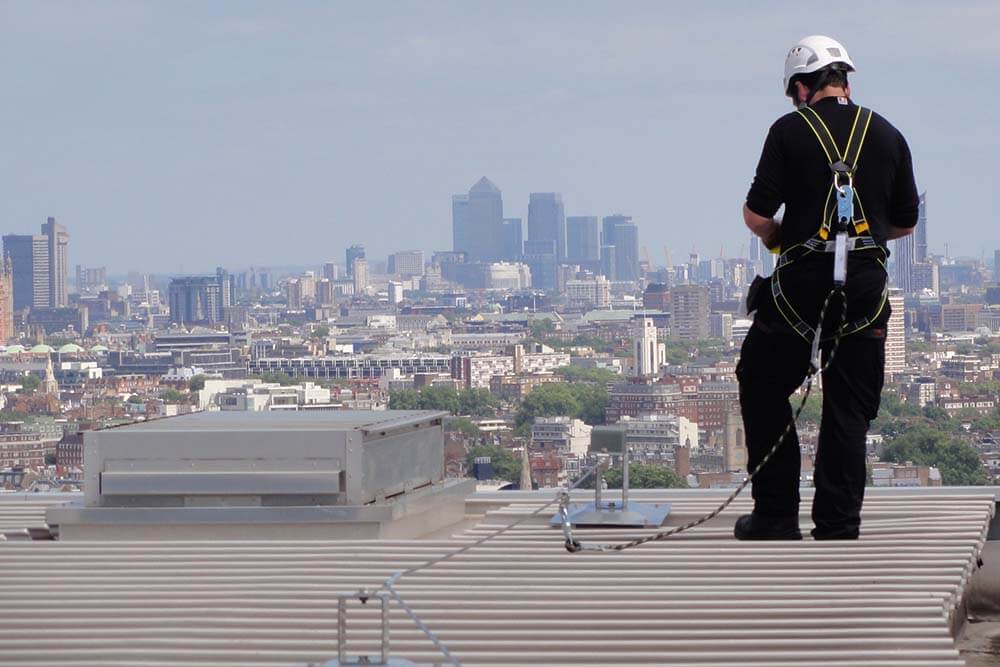
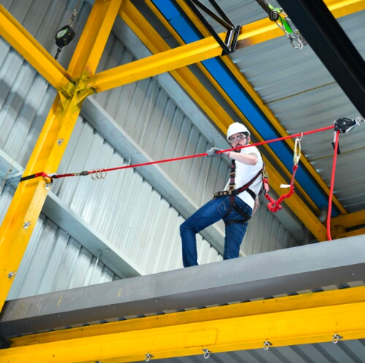
A Horizontal Lifeline is a fall protection system that consists of a flexible cable or synthetic rope installed horizontally between two or more anchorage points. Workers connect their personal fall arrest equipment to the lifeline using approved connectors, allowing them to move safely across elevated work areas while remaining continuously attached. This type of system is commonly used wherever workers need to travel over long distances without repeatedly disconnecting and reconnecting to new anchor points.
The primary purpose of a Horizontal Lifeline is to reduce the risk of falls while maximizing worker mobility. Instead of limiting movement to a single anchorage point, the system provides a secure travel path across roofs, platforms, bridges, and industrial structures. This flexibility helps workers complete tasks more efficiently without compromising safety. Modern Horizontal Lifeline systems are carefully engineered to withstand the tremendous forces generated during a fall. Every component plays an essential role in protecting workers and maintaining the integrity of the system. Understanding how these systems function helps organizations make informed decisions when planning work at height.
How a Horizontal Lifeline System Works
A Horizontal Lifeline operates by connecting a worker’s full-body harness to a horizontal cable or rope stretched between engineered anchor points. When a worker moves along the work area, a trolley or connector travels smoothly across the lifeline while maintaining continuous attachment. This arrangement allows unrestricted movement while reducing the need for frequent reconnections.
If a fall occurs, the energy absorber built into the system helps reduce the forces transferred to both the worker and the structure. The anchor points distribute these forces across the supporting structure, minimizing damage and improving overall safety. Proper clearance beneath the worker is critical because the lifeline will naturally deflect under load. Engineers calculate these deflections to ensure sufficient clearance exists during a fall event. Every Horizontal Lifeline must be designed for its intended application, considering span length, structural strength, and the number of authorized users. Proper planning ensures the system performs as intended under real-world conditions.
Main Components of a Horizontal Lifeline
Every Horizontal Lifeline consists of several components that work together to provide reliable fall protection. The anchorage system serves as the foundation by securing the lifeline to a structurally sound location capable of supporting anticipated loads. These anchor points may be permanent or temporary depending on the work environment.
The lifeline itself is usually made from galvanized steel cable or high-strength synthetic rope. Steel cables offer exceptional durability and are commonly selected for permanent installations, while synthetic ropes provide lightweight portability for temporary applications. Intermediate supports are often installed along longer spans to reduce excessive cable deflection and maintain system performance. Energy absorbers are integrated into the system to reduce fall arrest forces and help protect both workers and structures. Connectors such as carabiners, trolleys, and travelers enable workers to move freely while remaining securely attached. Each component must be compatible with the others to ensure the Horizontal Lifeline performs safely and efficiently throughout its service life.
Types of Horizontal Lifeline Systems
Horizontal Lifeline systems are available in several configurations to accommodate different work environments. Permanent systems are installed on buildings, manufacturing plants, warehouses, and industrial facilities where routine maintenance or inspections occur. These systems provide long-term reliability and require professional engineering and installation.
Temporary Horizontal Lifeline systems are designed for construction projects, shutdowns, and maintenance work that only lasts for a limited period. They are lightweight, portable, and can be installed quickly before being removed after the project is complete. Cable-based Horizontal Lifeline systems are known for their exceptional strength, corrosion resistance, and long service life. Synthetic rope systems offer greater portability and are often easier to transport between job sites. Selecting the appropriate type depends on project duration, environmental conditions, structural support, and the number of users. Choosing the right system helps improve both safety and operational efficiency.
Where Horizontal Lifelines Are Commonly Used
Horizontal Lifeline systems are widely used across industries where employees work at height. Construction sites frequently rely on these systems during steel erection, roofing, and structural work. Workers can move freely along large sections of the project while maintaining continuous fall protection.
Industrial facilities use Horizontal Lifeline systems during equipment maintenance, inspections, and repairs. Warehouses with elevated platforms also benefit from permanent lifeline installations that protect maintenance personnel. Bridges require extensive work at height, making Horizontal Lifeline systems valuable during construction and routine inspections. Telecommunications towers, renewable energy facilities, and utility infrastructure also utilize these systems to safeguard technicians. Manufacturing plants often install permanent Horizontal Lifeline systems above production equipment for maintenance access. Their versatility makes them one of the most adaptable fall protection solutions available for elevated work environments.
Benefits of Using a Horizontal Lifeline
One of the greatest advantages of a Horizontal Lifeline is improved worker mobility. Employees can move across a broad work area without repeatedly disconnecting from their fall protection equipment. This continuous attachment minimizes exposure to fall hazards while allowing tasks to be completed more efficiently.
Enhanced productivity is another significant benefit because workers spend less time repositioning anchor connections. Continuous protection also improves worker confidence, allowing them to focus more effectively on the task at hand. Properly designed Horizontal Lifeline systems support regulatory compliance with workplace safety requirements and demonstrate an organization’s commitment to employee protection. They can also reduce downtime associated with repositioning or installing multiple anchor points. Permanent systems provide long-term value by supporting recurring maintenance activities over many years. Investing in a quality Horizontal Lifeline contributes to safer workplaces and lower overall risk.
Horizontal Lifeline vs. Vertical Lifeline
Although both systems provide fall protection, a Horizontal Lifeline and a vertical lifeline serve different purposes. A Horizontal Lifeline allows workers to travel laterally across elevated work surfaces while remaining continuously attached. This design is ideal for roofs, bridges, catwalks, and long industrial platforms.
A vertical lifeline is intended primarily for climbing applications such as ladders, towers, and scaffolding. Workers travel upward or downward rather than across a horizontal span. Horizontal Lifeline systems generally require engineered calculations because cable deflection affects fall clearance. Vertical systems typically have different anchorage requirements and are often simpler to install. The best choice depends entirely on the work environment and employee movement requirements. Understanding these differences ensures employers select the most effective fall protection solution for each job.
Factors to Consider Before Installing a Horizontal Lifeline
Planning is one of the most important aspects of any Horizontal Lifeline installation. The supporting structure must possess sufficient strength to withstand the loads generated during a fall. Structural engineers often evaluate existing buildings before approving installation.
Span length directly influences cable deflection and required fall clearance. Longer spans may require intermediate supports to reduce excessive movement during a fall event. Employers should also consider the maximum number of simultaneous users because system capacity varies between designs. Environmental conditions such as wind, moisture, salt exposure, and extreme temperatures may influence material selection. Future maintenance requirements should also be considered to minimize operational disruptions. Careful planning results in a safer, more efficient, and longer-lasting Horizontal Lifeline system.
Safety Standards and Regulations for Horizontal Lifelines
Compliance with recognized safety standards is essential when installing and using a Horizontal Lifeline. In the United States, OSHA establishes workplace fall protection requirements that employers must follow. ANSI standards provide additional guidance for system design, testing, performance, and inspection.
Qualified persons should design Horizontal Lifeline systems because each installation involves unique structural considerations. Employers are responsible for ensuring workers receive appropriate training before using the equipment. Regular inspections verify that components remain in safe working condition and comply with manufacturer recommendations. Inspection records help demonstrate ongoing maintenance and regulatory compliance. Following established safety standards reduces workplace accidents while helping organizations avoid costly violations and project delays.
Inspection and Maintenance Best Practices
Routine inspections are essential for maintaining the reliability of a Horizontal Lifeline. Before each use, workers should examine cables or ropes for cuts, corrosion, abrasion, broken strands, or excessive wear. Connectors should be inspected to ensure locking mechanisms function correctly and show no signs of damage.
Anchor points must also be checked for structural integrity, corrosion, loose fasteners, or visible deterioration. Scheduled inspections performed by qualified personnel provide a more comprehensive evaluation of the entire system. Maintenance activities should follow manufacturer recommendations for cleaning, lubrication, storage, and component replacement. Damaged equipment should never remain in service until properly repaired or replaced. Maintaining accurate inspection records supports compliance while extending the service life of the Horizontal Lifeline.
Common Mistakes to Avoid When Using a Horizontal Lifeline
Several common mistakes can compromise the effectiveness of a Horizontal Lifeline. One of the most serious errors involves using incompatible connectors or fall protection equipment that has not been approved for the system. Mixing components from different manufacturers without proper verification can reduce overall performance.
Skipping pre-use inspections may allow damaged components to remain undetected until an accident occurs. Exceeding the system’s maximum user capacity also creates unnecessary risks. Improper anchorage selection can result in catastrophic failure during a fall. Workers should never modify equipment or bypass manufacturer instructions to save time. Insufficient training remains another major contributor to workplace incidents involving fall protection systems. Avoiding these mistakes significantly improves worker safety and system reliability.
Choosing the Right Horizontal Lifeline for Your Workplace
Selecting the right Horizontal Lifeline begins with evaluating the specific hazards present at the worksite. Permanent systems are often the best choice for facilities requiring regular roof access or ongoing maintenance. Temporary systems provide flexibility for construction projects and short-duration work.
Material selection depends on environmental exposure, durability requirements, and portability needs. Steel cable systems perform exceptionally well in permanent industrial installations, while synthetic rope systems excel in temporary applications requiring easy transport. Employers should also evaluate the anticipated number of users and future expansion needs. Working with experienced fall protection specialists helps ensure the system meets all applicable safety standards and performance expectations. Investing in a properly engineered Horizontal Lifeline ultimately protects workers while improving operational efficiency and regulatory compliance.
Frequently Asked Questions (FAQ)
What is a Horizontal Lifeline used for?
A Horizontal Lifeline is used to protect workers from falls while allowing them to move horizontally across elevated work areas without disconnecting from their fall protection system.
Can multiple workers use the same Horizontal Lifeline?
Yes, many systems are designed for multiple users, but the allowable number depends on the engineered design and manufacturer specifications.
Is a Horizontal Lifeline part of a personal fall arrest system?
Yes. A Horizontal Lifeline works together with a full-body harness, connecting device, and energy absorber as part of a complete personal fall arrest system.
Can a Horizontal Lifeline be installed temporarily?
Yes. Temporary Horizontal Lifeline systems are commonly used for construction projects, maintenance work, and short-term industrial applications.
How often should a Horizontal Lifeline be inspected?
Workers should perform a visual inspection before every use, while qualified personnel should conduct scheduled inspections according to regulatory requirements and manufacturer recommendations.
What industries commonly use Horizontal Lifeline systems?
Construction, roofing, manufacturing, utilities, telecommunications, transportation, energy, and industrial maintenance are among the industries that frequently use Horizontal Lifeline systems.
Who should install a Horizontal Lifeline?
A qualified person with expertise in fall protection system design and installation should install and verify the system to ensure compliance with applicable safety standards.
Takeaway
A Horizontal Lifeline provides an effective solution for protecting workers who perform tasks at height while allowing greater freedom of movement than many traditional fall protection methods. By understanding how the system works, selecting the appropriate design, following recognized safety standards, and maintaining regular inspections, organizations can significantly reduce fall risks and improve workplace efficiency. Whether used as a permanent installation or a temporary solution, a properly engineered Horizontal Lifeline is a valuable investment in worker safety, regulatory compliance, and long-term operational performance.