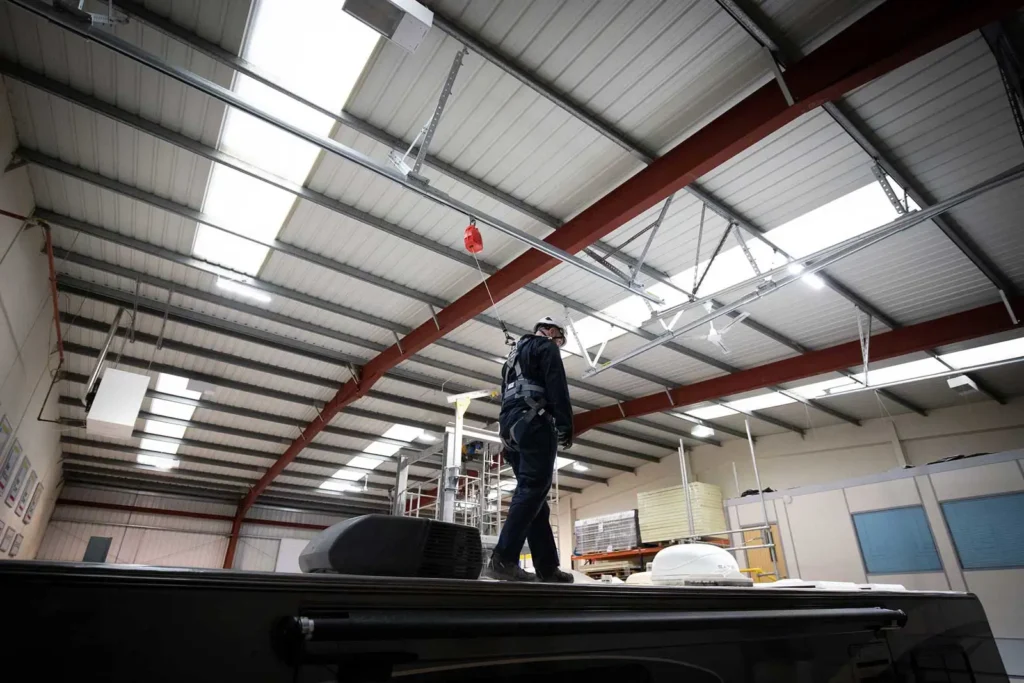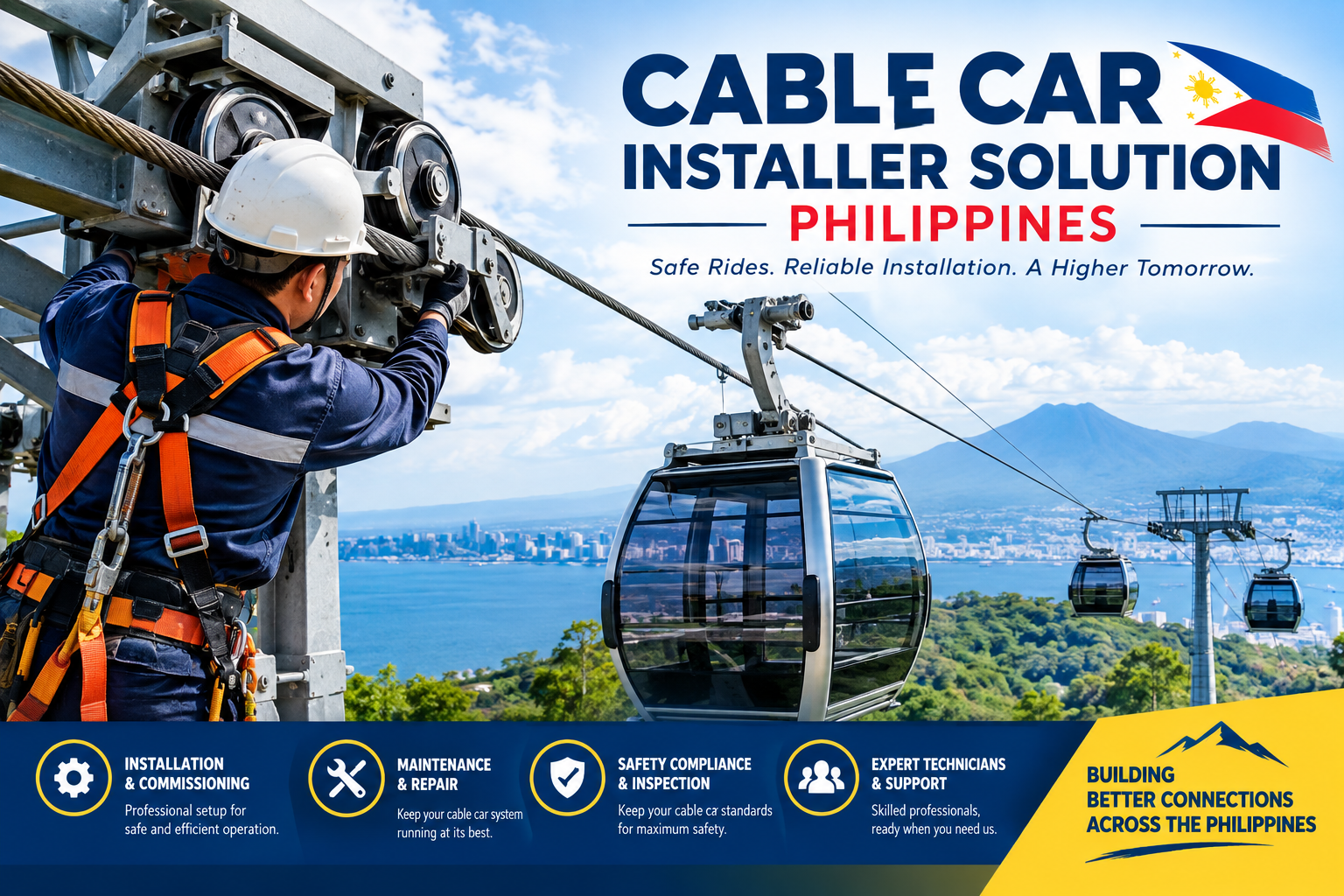
Working at height remains one of the leading causes of workplace injuries across many industries. Whether employees are constructing buildings, maintaining industrial equipment, or servicing aircraft, proper fall protection is essential for reducing risks and creating a safer work environment. An Overhead Lifeline is one of the most effective solutions because it allows workers to remain securely connected to an anchor system while moving freely. Unlike traditional ground-level anchor points, overhead systems help minimize swing falls and shorten fall distances when properly designed. They also improve mobility, allowing workers to complete tasks more efficiently without constantly reconnecting to different anchors. As workplace safety standards continue to evolve, more organizations are investing in overhead fall protection systems to safeguard employees and maintain compliance. Understanding how an Overhead Lifeline works is the first step toward selecting the right solution for any work-at-height application.
What Is an Overhead Lifeline?
An Overhead Lifeline is a fall protection system installed above a worker to provide a secure attachment point while working at elevated locations. The system is designed to support a worker in the event of a fall by connecting a full-body harness to an overhead anchor using approved equipment. Because the anchor is positioned directly above the user, the system significantly reduces the risk of dangerous swing falls that can occur with lower anchor points. Overhead Lifeline systems are commonly found in manufacturing facilities, warehouses, construction projects, aircraft maintenance hangars, shipyards, and industrial plants. They help workers move safely along elevated work areas while remaining continuously connected to the fall protection system. Many modern systems are engineered to accommodate multiple users without sacrificing safety or mobility. Choosing a properly designed Overhead Lifeline enhances worker confidence while helping employers create a safer workplace.
How an Overhead Lifeline Works
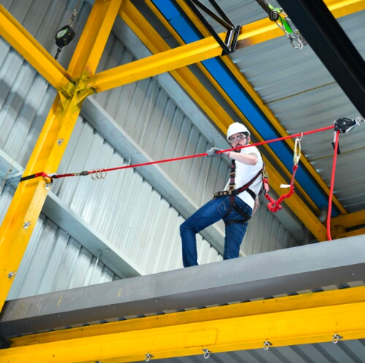
An Overhead Lifeline functions by providing a continuous connection between the worker and a secure anchorage positioned above the work area. The system typically includes an anchor structure, a cable or rigid rail, connectors, a trolley or shuttle, and personal fall protection equipment. As the worker moves, the trolley glides smoothly along the overhead track or cable, maintaining constant protection without requiring frequent reconnections. If a fall occurs, the system immediately engages with energy-absorbing components that reduce the forces exerted on both the worker and the supporting structure. This controlled arrest helps lower the risk of serious injuries while preventing the worker from falling to a lower level. Proper system engineering also ensures that sufficient fall clearance is maintained beneath the worker. Regular inspections and proper use are essential to ensure that every component performs as intended during an emergency.
Types of Overhead Lifeline Systems
Several types of Overhead Lifeline systems are available, and each is designed to meet specific workplace needs. Selecting the right system depends on the work environment, the level of mobility required, and the structural characteristics of the facility. Understanding the differences between these systems helps employers make informed decisions that improve both safety and productivity. Each option offers unique advantages depending on the application and the number of workers using the system. Professional assessment is often recommended to determine which configuration provides the highest level of protection. Proper installation also plays a major role in ensuring long-term reliability. Investing in the appropriate Overhead Lifeline system helps create a safer and more efficient workplace.
Horizontal Overhead Lifeline Systems
Horizontal overhead lifeline systems use tensioned steel cables installed between structural anchor points to provide continuous fall protection across long work areas. They are frequently used in warehouses, manufacturing plants, bridges, and construction sites where workers need to travel significant distances. These systems allow users to remain connected while performing inspections, maintenance, or assembly work. Their flexibility makes them suitable for facilities with large open spaces. They can often accommodate multiple workers when engineered for the appropriate load capacity. Proper cable tension and anchor strength are essential for maintaining system performance. Routine inspections help ensure the cable and associated hardware remain in excellent condition.
Rigid Rail Overhead Lifeline Systems
Rigid rail systems replace flexible cables with solid metal rails that provide exceptionally smooth movement. Because the rail experiences minimal deflection during a fall, it often provides shorter fall arrest distances than cable systems. This feature makes rigid rails ideal for locations where fall clearance is limited. Workers benefit from effortless trolley movement, allowing them to focus on their tasks instead of managing their safety connection. These systems are commonly installed in aircraft maintenance facilities, industrial production lines, and heavy manufacturing plants. Their durable construction supports long service life with proper maintenance. Although installation costs may be higher, the enhanced performance often justifies the investment.
Monorail Overhead Lifelines
Monorail systems are designed for work areas where employees follow a specific travel path during routine operations. The rail directs movement while maintaining continuous fall protection throughout the task. This configuration is commonly used in assembly lines, loading stations, and maintenance platforms. Workers can perform repetitive activities with greater efficiency because the trolley follows a predetermined route. The design minimizes unnecessary movement while keeping the worker securely connected. Monorail systems can also be customized to match unique facility layouts. Their combination of mobility and safety makes them valuable in specialized industrial environments.
Custom Overhead Lifeline Solutions
Some facilities require custom-engineered Overhead Lifeline systems because of unusual building designs or specialized operational requirements. Engineers evaluate the structure, available anchor points, worker movement patterns, and potential hazards before developing a solution. Custom systems can combine multiple technologies, including cable lifelines, rigid rails, and transfer mechanisms. They are particularly useful for complex industrial facilities where standard systems may not provide complete coverage. Every component is selected to ensure compatibility and reliable performance under expected loads. Professional installation helps ensure compliance with applicable safety standards. A custom-designed system provides maximum protection while supporting efficient workflow.
Key Components of an Overhead Lifeline System
Every Overhead Lifeline relies on several interconnected components that work together to protect workers during elevated tasks. Each component has a specific function, and the failure of one part can compromise the effectiveness of the entire system. Understanding these components allows employers and workers to perform better inspections and recognize potential issues before they become hazards. Selecting high-quality equipment from reputable manufacturers also improves system reliability. Proper compatibility between components is equally important because mixing incompatible products can reduce performance. Regular maintenance helps preserve the integrity of every element within the system. A well-maintained Overhead Lifeline provides dependable protection day after day.
The anchorage structure serves as the foundation of the system and must be capable of supporting required loads. The lifeline itself may consist of a steel cable or rigid rail depending on the application. Trolleys or carriers move along the lifeline, allowing workers to travel while remaining securely attached. Full-body harnesses distribute fall forces across stronger areas of the body, reducing the likelihood of serious injury. Shock-absorbing lanyards and self-retracting lifelines help minimize arrest forces during a fall. Connectors such as carabiners and snap hooks securely join each component while inspection tags help verify maintenance history and inspection schedules.
Benefits of Using an Overhead Lifeline
An Overhead Lifeline offers numerous advantages that extend beyond simple regulatory compliance. The most significant benefit is its ability to reduce the likelihood of severe fall-related injuries by maintaining a secure overhead connection. Positioning the anchor above the worker decreases swing fall hazards and often shortens fall distances. Continuous mobility allows employees to perform their work more efficiently because they remain connected while moving throughout the job site. Improved worker confidence often leads to greater productivity since employees can focus on their tasks without constantly worrying about reconnecting to different anchor points. Many systems are designed to support multiple users, making them practical for busy industrial environments. Over time, investing in a high-quality Overhead Lifeline can reduce accident-related costs, minimize downtime, and strengthen an organization’s overall safety culture.
Industries That Commonly Use Overhead Lifeline Systems
An Overhead Lifeline is a valuable safety solution across a wide range of industries where employees routinely work at elevated heights. While every workplace presents different hazards, the goal remains the same: protecting workers from falls while allowing them to perform their duties efficiently. Overhead systems provide continuous fall protection without restricting movement, making them suitable for demanding environments where productivity and safety must go hand in hand. Their adaptability allows them to be installed in new construction projects, existing facilities, and specialized industrial settings. Employers who invest in these systems often experience fewer workplace incidents and greater confidence among their workforce. Proper planning ensures the system aligns with operational needs and supports long-term safety objectives. Understanding where an Overhead Lifeline is most beneficial helps organizations select the right fall protection strategy.
Construction
Construction sites involve constant changes in elevation, work platforms, and structural layouts, making fall protection a daily priority. Workers frequently perform tasks on steel beams, scaffolding, rooftops, and elevated platforms where falls can have serious consequences. An Overhead Lifeline provides continuous protection while allowing employees to move freely throughout the work area. It also reduces the need for workers to disconnect and reconnect to different anchor points, minimizing the chance of user error. Properly installed systems support compliance with workplace safety requirements and help contractors maintain safer job sites. Routine inspections ensure the equipment remains dependable despite exposure to weather and heavy use. As construction projects become more complex, overhead lifeline systems continue to play an important role in worker safety.
Manufacturing
Manufacturing facilities often require employees to perform maintenance, equipment inspections, and production tasks above ground level. Machinery platforms, overhead cranes, and elevated conveyor systems all create potential fall hazards. Installing an Overhead Lifeline allows workers to safely access these areas while remaining connected at all times. The system improves efficiency by allowing uninterrupted movement across production lines and maintenance zones. It also supports scheduled maintenance activities without compromising worker protection. By reducing fall-related risks, manufacturers can minimize downtime caused by workplace accidents. A well-designed overhead system contributes to both operational reliability and employee well-being.
Warehousing and Logistics
Warehouses frequently require workers to access elevated storage racks, mezzanines, loading platforms, and maintenance areas. These tasks involve significant fall risks, particularly when handling heavy materials or operating lifting equipment. An Overhead Lifeline provides dependable fall protection while allowing employees to move safely throughout elevated workspaces. Continuous attachment helps workers maintain focus on inventory management and equipment operation rather than constantly adjusting their safety connection. As warehouses expand through automation and higher storage capacities, overhead fall protection becomes even more valuable. Proper training ensures workers understand how to use the system correctly. Investing in reliable fall protection supports both safety and operational efficiency.
Aviation Maintenance
Aircraft maintenance technicians routinely work on wings, fuselages, and elevated service platforms where fall hazards are common. Because aircraft surfaces are often curved and slippery, maintaining secure fall protection is essential. An Overhead Lifeline allows technicians to move around the aircraft without sacrificing mobility or safety. Rigid rail systems are particularly popular in aviation hangars because they provide smooth movement with minimal deflection during a fall. Continuous overhead protection enables maintenance personnel to perform inspections, repairs, and installations more confidently. The system also helps protect expensive aircraft from accidental damage caused by dropped equipment during a fall event. Reliable fall protection supports both worker safety and operational excellence.
Mining, Oil and Gas, Utilities, Transportation, and Shipbuilding
Heavy industries present challenging work environments that demand durable and dependable fall protection systems. Employees often perform inspections, repairs, and maintenance on elevated equipment, storage tanks, pipelines, utility structures, railcars, and ships. An Overhead Lifeline provides continuous protection while allowing workers to navigate these demanding environments efficiently. Corrosion-resistant materials and engineered components help ensure long-term performance even in harsh conditions. Regular inspections and preventive maintenance keep the systems operating safely despite constant exposure to heavy workloads and environmental factors. Employers benefit from fewer incidents, improved regulatory compliance, and greater workforce confidence. These industries continue to rely on overhead lifeline systems as an essential part of comprehensive workplace safety programs.
Choosing the Right Overhead Lifeline System
Selecting the most suitable Overhead Lifeline requires careful evaluation of the workplace, the tasks being performed, and the needs of the workers using the system. Every facility has unique structural characteristics that influence the design and installation of fall protection equipment. A solution that works well in one environment may not provide adequate protection in another. Employers should assess current operations while also considering future expansion or workflow changes. Working with qualified safety professionals helps ensure the selected system provides the required level of protection. Proper planning also reduces unexpected installation challenges and long-term maintenance costs. Choosing the right Overhead Lifeline is an investment in both worker safety and operational efficiency.
The work environment is one of the first factors to evaluate because indoor and outdoor locations often require different materials and system designs. The number of workers using the system simultaneously determines the required load capacity and structural support. Mobility requirements influence whether a cable system, rigid rail, or monorail configuration is the most appropriate option. Adequate fall clearance must always be verified to ensure the worker can be safely arrested before contacting a lower level. Structural compatibility is equally important because the building or supporting framework must withstand the forces generated during a fall. Maintenance requirements should also be considered since some systems require more frequent servicing than others. Planning for future expansion can reduce costs if additional workstations or users are added later.
Installation Considerations
Proper installation is one of the most important factors affecting the performance of an Overhead Lifeline. Even high-quality equipment may fail to provide the intended level of protection if it is installed incorrectly. Every installation should begin with a thorough assessment of the worksite and supporting structure. Engineers evaluate load capacities, worker movement patterns, and potential fall hazards before determining the best system configuration. Accurate measurements and careful planning help ensure the system functions safely under expected operating conditions. Following manufacturer recommendations is essential throughout every stage of installation. Professional installation provides confidence that the system will perform reliably whenever it is needed.
Structural load evaluations verify that beams, columns, or other supporting elements can safely withstand fall arrest forces. Proper anchor placement helps maximize worker mobility while reducing swing fall hazards. Cable systems require precise tensioning to achieve the performance specified by the manufacturer. Fall clearance calculations ensure sufficient space exists beneath the worker to prevent contact with lower levels during a fall. Once installation is complete, comprehensive testing and documentation help verify that every component has been installed correctly. Clear labeling and maintenance records simplify future inspections and servicing. Maintaining detailed documentation also demonstrates a strong commitment to workplace safety.
Inspection and Maintenance Best Practices
Regular inspection and maintenance are essential for ensuring an Overhead Lifeline continues to provide reliable protection throughout its service life. Daily visual inspections help workers identify obvious signs of damage before using the equipment. Even minor defects should be reported immediately because they may compromise the performance of the system during a fall. Scheduled inspections conducted by qualified personnel provide a more thorough assessment of every component. Preventive maintenance also helps identify wear before it becomes a serious safety concern. Keeping accurate inspection records supports regulatory compliance and demonstrates responsible equipment management. Consistent maintenance extends equipment life while protecting workers from unnecessary risks.
Workers should inspect cables, rails, connectors, trolleys, harness attachment points, and visible hardware before each use. Qualified inspectors should periodically perform detailed evaluations according to manufacturer recommendations and workplace safety policies. Annual inspections often involve checking structural anchors, cable tension, hardware integrity, and overall system alignment. Components showing corrosion, excessive wear, deformation, or other damage should be removed from service immediately. Cleaning equipment according to manufacturer guidelines helps prevent dirt, chemicals, and moisture from causing premature deterioration. Proper storage protects portable components from unnecessary environmental exposure. Maintaining organized inspection records provides valuable documentation for future maintenance planning and compliance audits.
Common Mistakes to Avoid
Even the best Overhead Lifeline system cannot provide adequate protection if it is used improperly. Many workplace incidents occur because of avoidable mistakes rather than equipment failure. Employers and workers should understand the most common errors so they can prevent unsafe practices before they lead to accidents. Ongoing training, routine supervision, and consistent inspections all contribute to safer work environments. Every employee should know how the system functions and when equipment should be removed from service. Creating a strong safety culture encourages workers to report concerns without hesitation. Avoiding these common mistakes helps maximize the effectiveness of every Overhead Lifeline installation.
One of the most frequent mistakes is using incompatible components from different manufacturers without verifying compatibility. Connecting to an unauthorized anchor point instead of the designated Overhead Lifeline can significantly reduce protection and increase fall hazards. Exceeding the system’s rated capacity by allowing too many users or carrying excessive loads can place dangerous stress on the equipment. Skipping routine inspections may allow damaged cables, connectors, or trolleys to remain in service unnoticed. Failing to provide adequate worker training often leads to incorrect equipment use and poor decision-making while working at height. Another common issue is overlooking required fall clearance, which can result in a worker striking a lower surface even after the fall is arrested. Continuing to use equipment after it has been damaged or involved in a fall should never occur, as affected components must be inspected and replaced when necessary.
Safety Standards and Regulatory Considerations
An Overhead Lifeline should always be designed, installed, and maintained in accordance with applicable workplace safety regulations and recognized industry standards. Following these requirements helps employers create safer work environments while reducing legal and financial risks associated with workplace accidents. Safety standards provide guidance for system design, equipment selection, installation procedures, inspection schedules, and worker training. Employers should stay informed about changing regulations to ensure their fall protection programs remain current. Compliance is not simply about meeting legal obligations; it also demonstrates a commitment to protecting employees from preventable injuries. Regular audits and safety reviews help identify opportunities for continuous improvement. A well-managed Overhead Lifeline program supports long-term workplace safety and operational excellence.
Employers are responsible for conducting hazard assessments before work begins and selecting fall protection systems appropriate for the identified risks. They must also provide workers with properly fitted personal protective equipment and ensure that employees receive adequate training before using the system. Workers share responsibility by following established safety procedures, inspecting equipment before each use, and reporting damaged components immediately. Documentation plays an important role in demonstrating compliance because inspection records, maintenance logs, and training records provide evidence that the system is being managed responsibly. Periodic reviews help verify that procedures remain effective as work environments change. When safety standards are consistently followed, organizations can reduce accidents while improving worker confidence and productivity. Maintaining a compliant Overhead Lifeline system benefits everyone involved in work-at-height operations.
Frequently Asked Questions (FAQ)
What is an Overhead Lifeline used for?
An Overhead Lifeline is used to protect workers who perform tasks at elevated heights by providing a secure overhead attachment point for fall arrest equipment. It allows employees to move safely while remaining connected to a reliable fall protection system. These systems are commonly used in construction, manufacturing, aviation maintenance, warehouses, and many industrial environments where fall hazards exist.
How is an Overhead Lifeline different from a horizontal lifeline?
The primary difference is the location of the anchor system. An Overhead Lifeline is positioned directly above the worker, helping reduce swing falls and shorten fall distances. A traditional horizontal lifeline may be installed at various heights depending on the application. Overhead systems generally provide improved mobility and can enhance overall fall protection when properly designed.
Can multiple workers use one Overhead Lifeline?
Yes, many systems are engineered to support multiple workers at the same time. However, the number of users depends on the system’s design, structural capacity, and manufacturer specifications. Employers should never exceed the rated capacity and should verify that the installation has been designed for multiple simultaneous users.
How often should an Overhead Lifeline be inspected?
Workers should perform a visual inspection before each use to check for signs of wear or damage. In addition, qualified personnel should conduct detailed inspections at scheduled intervals based on manufacturer recommendations and workplace safety requirements. Comprehensive annual evaluations are commonly included as part of a preventive maintenance program.
What equipment is required with an Overhead Lifeline?
A complete fall protection system typically includes a full-body harness, compatible connectors, a trolley or shuttle, and either a shock-absorbing lanyard or a self-retracting lifeline. Every component should be compatible with the Overhead Lifeline system and used according to the manufacturer’s instructions. Proper equipment selection is essential for reliable fall protection.
Can an Overhead Lifeline be installed indoors and outdoors?
Yes. Overhead Lifeline systems are available for both indoor and outdoor environments. Outdoor installations often use corrosion-resistant materials to withstand exposure to rain, humidity, sunlight, and changing weather conditions. Selecting the right materials helps extend the system’s service life and maintain reliable performance.
Who should install an Overhead Lifeline system?
Installation should be performed by qualified professionals with experience in engineered fall protection systems. They evaluate structural capacity, determine proper anchor locations, and verify that the installation complies with applicable safety standards and manufacturer requirements. Professional installation helps ensure the system performs as intended.
How do I choose the best Overhead Lifeline for my workplace?
Choosing the right system depends on several factors, including the work environment, worker mobility, structural support, fall clearance, number of users, and maintenance requirements. Consulting experienced fall protection specialists can help identify the most appropriate solution for your specific application. A properly selected Overhead Lifeline improves safety while supporting efficient workplace operations.
Takeaway
An Overhead Lifeline is one of the most effective fall protection solutions for employees who work at elevated heights. By providing a secure overhead connection, it reduces fall hazards, minimizes swing falls, and allows workers to move confidently throughout their work areas. These systems are used across construction, manufacturing, warehousing, aviation, mining, utilities, transportation, shipbuilding, and many other industries where safety is a daily priority. Selecting the appropriate system requires careful consideration of the work environment, structural support, mobility needs, and the number of users. Professional installation, routine inspections, ongoing maintenance, and comprehensive worker training all contribute to dependable long-term performance. When properly implemented, an Overhead Lifeline supports regulatory compliance while helping organizations reduce workplace injuries and improve productivity. Investing in a high-quality fall protection system is an investment in the safety, confidence, and well-being of every employee working at height.