What Is a Vertical Lifeline?
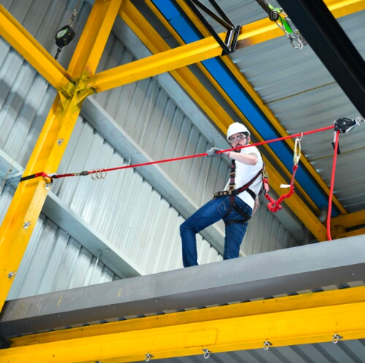
A Vertical Lifeline is a critical component of a personal fall protection system designed to protect workers who perform tasks at elevated locations. It provides a secure connection between the worker’s full-body harness and a properly rated anchorage point, helping minimize the risk of serious injury in the event of a fall. A Vertical Lifeline is commonly made from durable synthetic rope or steel cable, depending on the intended application and work environment. As workers climb ladders, towers, scaffolding, or other vertical structures, the lifeline allows controlled movement while remaining attached to the fall protection system. If a fall occurs, a compatible rope grab or mobile fall arrester locks onto the lifeline almost instantly, stopping the fall before the worker descends a dangerous distance. This safety solution is widely used because it offers dependable protection while allowing workers to move efficiently during climbing activities. Understanding how a Vertical Lifeline functions is the first step toward creating a safer workplace for anyone exposed to fall hazards.
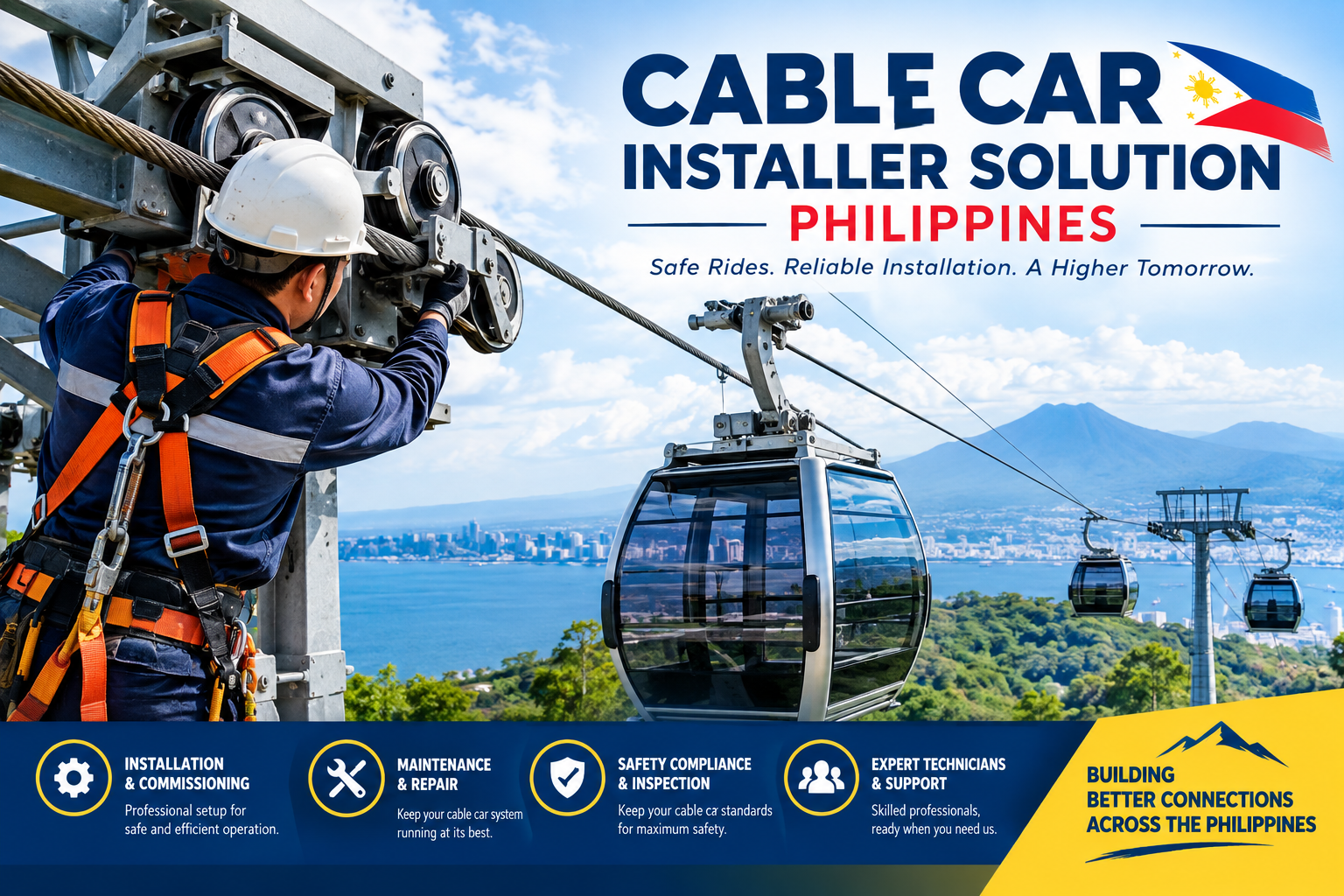
Many industries depend on Vertical Lifeline systems every day to protect employees working at heights. Construction workers often rely on them while climbing scaffolding or structural steel. Utility technicians use them when servicing electrical poles and transmission towers. Telecommunications professionals wear Vertical Lifeline systems while maintaining cellular towers and communication equipment. Wind energy technicians also depend on these systems while climbing tall wind turbines for inspections and repairs. Industrial maintenance crews use Vertical Lifeline equipment inside tanks, silos, and other elevated structures. Regardless of the industry, the primary purpose remains the same: providing reliable fall arrest protection that helps workers return home safely.
How a Vertical Lifeline Works
A Vertical Lifeline operates by creating a secure path between the worker and a certified anchorage point positioned above the work area. Before climbing begins, the lifeline is properly installed according to manufacturer recommendations and workplace safety procedures. The worker connects a full-body harness to a compatible rope grab or mobile fall arrester that travels along the lifeline during movement. As the worker climbs upward or downward, the device moves freely without restricting normal motion. If the worker slips or falls, the rope grab immediately locks onto the lifeline, significantly reducing the fall distance and helping absorb the resulting forces. Energy absorbers, when included in the system, further reduce the impact experienced by both the worker and the anchorage point. This coordinated operation makes a Vertical Lifeline one of the most trusted forms of fall protection for vertical climbing applications.
Proper equipment compatibility is essential for effective performance. Every component should be designed to work together as part of a complete fall protection system. Using mismatched hardware can reduce the effectiveness of the equipment and create unnecessary hazards. The anchorage point must always be capable of supporting the required loads established by applicable safety standards. Workers should inspect every component before use to identify signs of wear, damage, or corrosion. Routine inspections, proper training, and regular maintenance all contribute to the dependable performance of a Vertical Lifeline. When these practices become part of daily operations, workers can focus on their tasks with greater confidence and safety.
Main Components of a Vertical Lifeline System
A Vertical Lifeline system consists of several essential components that work together to protect workers during climbing activities. Each part serves a unique purpose, and removing or substituting one component with incompatible equipment can compromise the entire system. The lifeline itself is typically manufactured from high-strength synthetic rope or galvanized steel cable capable of withstanding significant loads. The selected material depends on the work environment, exposure to weather, and expected frequency of use. Choosing high-quality materials helps improve durability, reliability, and long-term performance. Regular inspections ensure every component continues to function as intended throughout its service life. Understanding these components allows employers and workers to make informed decisions when selecting fall protection equipment.
The anchorage point is the foundation of every Vertical Lifeline system. It provides the secure attachment point that supports the entire system during normal use and in the event of a fall. Anchorage points must be structurally sound and capable of meeting applicable load requirements. Improper anchorage selection is one of the most common causes of fall protection failures. Employers should verify that every anchorage has been evaluated before use. Permanent anchorage systems are common on towers and industrial facilities, while temporary anchors are frequently used on construction sites. Selecting the correct anchorage significantly improves overall safety.
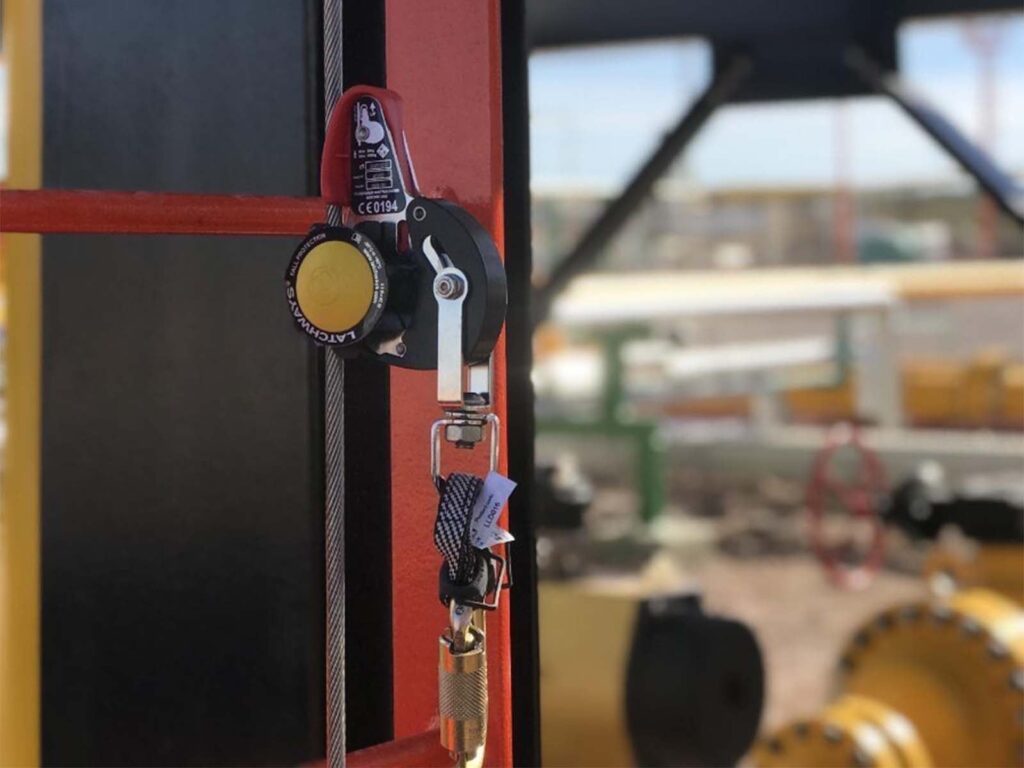
The rope grab or mobile fall arrester is another essential component. This device travels along the Vertical Lifeline while allowing smooth movement during climbing. If sudden downward force is detected, it immediately locks onto the rope or cable to arrest the fall. Modern rope grabs are engineered to activate quickly while minimizing unnecessary movement restrictions. Compatibility with the lifeline material is essential because different devices are designed for specific rope diameters or cable sizes. Workers should always verify compatibility before connecting equipment. Proper use of the rope grab greatly enhances worker protection.
A full-body harness distributes fall arrest forces across the strongest parts of the body. Unlike body belts, full-body harnesses help reduce the likelihood of serious injury during a fall. Harnesses should fit properly without being too loose or excessively tight. Adjustable shoulder, chest, and leg straps allow workers to achieve a secure and comfortable fit. Before each use, harnesses should be inspected for damaged stitching, cuts, abrasions, and worn hardware. Any signs of damage should result in immediate removal from service. A properly fitted harness plays a vital role in the effectiveness of a Vertical Lifeline system.
Connectors, carabiners, lanyards, and energy absorbers complete the system. These components securely join the worker to the Vertical Lifeline while helping reduce fall forces. Self-locking connectors help prevent accidental disengagement during climbing. Energy absorbers reduce impact forces that could otherwise cause serious injuries. Every connector should meet applicable industry standards and manufacturer specifications. Mixing incompatible hardware should always be avoided. Together, these components create a dependable fall protection solution for workers performing tasks at height.
Types of Vertical Lifeline Systems
Vertical Lifeline systems are available in several configurations to meet different workplace requirements. Choosing the appropriate system depends on factors such as work location, duration of the project, environmental conditions, and frequency of use. Some systems are designed for temporary projects, while others are permanently installed on structures requiring regular maintenance. Employers should carefully evaluate job hazards before selecting the most appropriate equipment. The right system improves worker safety, productivity, and regulatory compliance. Understanding the available options makes it easier to match equipment with specific jobsite conditions. Proper selection also helps maximize the lifespan of the equipment.
Temporary Vertical Lifeline systems are commonly used on construction sites where work locations change frequently. These systems are relatively easy to install, relocate, and remove once the project is complete. They provide flexibility for contractors working on buildings, bridges, and temporary structures. Because they are portable, temporary systems require careful inspection before every installation. Workers should verify that anchors, ropes, and connectors remain in excellent condition. Proper setup is essential for maintaining the intended level of protection. Temporary systems offer an excellent balance between safety and adaptability.
Permanent Vertical Lifeline systems are installed on structures that require frequent access over many years. Communication towers, wind turbines, industrial facilities, and water towers often use permanent installations. These systems provide convenient access while maintaining consistent fall protection for maintenance personnel. Permanent systems reduce setup time because the lifeline remains installed and ready for use. Even with permanent equipment, routine inspections and scheduled maintenance remain essential. Employers should follow manufacturer recommendations for servicing and replacing worn components. A well-maintained permanent Vertical Lifeline provides dependable protection throughout its operational life.
Vertical Lifeline systems may also use either synthetic rope or steel cable. Rope-based systems are lightweight, flexible, and easy to transport, making them popular for temporary work. Cable-based systems offer exceptional durability and are often selected for permanent installations exposed to harsh environmental conditions. Each material has advantages depending on the application and maintenance requirements. Employers should consider weather exposure, corrosion resistance, expected workload, and inspection needs before making a selection. Regardless of the material, every Vertical Lifeline should be used with compatible hardware and inspected before each use. Selecting the appropriate type helps create a safer and more efficient work environment.
Where Vertical Lifelines Are Commonly Used
A Vertical Lifeline is used in a wide range of industries where employees are exposed to fall hazards while climbing or working above ground level. Construction sites are among the most common workplaces where these systems are required because workers frequently climb scaffolding, ladders, and partially completed structures. Telecommunications companies rely on Vertical Lifeline systems to protect technicians as they ascend communication towers to install or maintain antennas and other equipment. Utility providers use them when employees perform maintenance on electrical transmission towers, utility poles, and substations. Wind farms also depend on Vertical Lifeline systems because technicians must safely climb wind turbines that often exceed several hundred feet in height. Industrial facilities use these systems during inspections and repairs inside tanks, silos, smokestacks, and processing plants where elevated work is routine. No matter the industry, a properly selected Vertical Lifeline helps reduce fall risks while allowing workers to perform their responsibilities more confidently.
Roofing contractors also benefit from Vertical Lifeline systems when installing or repairing roofing materials on residential, commercial, and industrial buildings. Bridge inspectors frequently use these systems while accessing elevated structural components that require close examination. Water towers, storage tanks, and grain silos often require technicians to climb long vertical ladders where dependable fall protection is essential. Maintenance personnel working in manufacturing plants may also use Vertical Lifeline systems to access overhead equipment for servicing or inspections. Emergency response teams sometimes depend on similar systems during specialized rescue operations that involve vertical movement. Mining operations may incorporate Vertical Lifeline equipment when workers climb fixed ladders in processing facilities or support structures. The versatility of a Vertical Lifeline makes it one of the most valuable safety solutions for workplaces involving vertical access.
Benefits of Using a Vertical Lifeline
A Vertical Lifeline provides numerous benefits that extend beyond basic fall protection. The most significant advantage is its ability to arrest a fall quickly, helping reduce the likelihood of severe injuries or fatalities. By keeping workers continuously connected while climbing, the system creates a safer working environment without unnecessarily restricting movement. This added security allows employees to concentrate on completing their tasks instead of worrying about losing their footing. Improved worker confidence often contributes to better productivity and more efficient job performance. Organizations that invest in quality fall protection equipment also demonstrate a strong commitment to workplace safety. This commitment can improve employee morale while supporting a positive safety culture throughout the organization.
Another major benefit is regulatory compliance. Many industries must follow strict workplace safety regulations that require effective fall protection whenever employees work at elevated locations. A properly installed Vertical Lifeline helps employers satisfy these requirements while reducing potential liability. Preventing even a single fall-related incident can significantly reduce medical costs, lost productivity, equipment damage, and project delays. Routine inspections and maintenance further increase the reliability of the system over time. Durable materials allow many Vertical Lifeline systems to provide years of dependable service when properly maintained. Investing in quality equipment often proves more cost-effective than dealing with the consequences of workplace accidents.
Modern Vertical Lifeline systems are also designed with user comfort and efficiency in mind. Lightweight materials make many systems easier to transport and install, particularly on temporary job sites. Mobile fall arrest devices move smoothly with the worker, minimizing interruptions during climbing. Many systems can be integrated with existing personal protective equipment without requiring complicated modifications. Manufacturers continue improving designs to increase durability, reduce maintenance requirements, and enhance ease of use. These ongoing improvements help organizations provide better protection while maintaining operational efficiency. Choosing the right Vertical Lifeline ultimately supports both worker safety and business performance.
Vertical Lifeline vs. Horizontal Lifeline
Although both systems are designed to protect workers from falls, a Vertical Lifeline and a horizontal lifeline serve different purposes. A Vertical Lifeline is intended for climbing activities where movement occurs primarily upward or downward along a fixed path. In contrast, a horizontal lifeline allows workers to move side to side while remaining connected to a continuous anchor system. Each system addresses different workplace hazards and should be selected based on the specific work environment. Choosing the wrong type of lifeline can reduce effectiveness and increase safety risks. Employers should conduct a thorough hazard assessment before determining which system best fits the job. Understanding these distinctions helps ensure workers receive appropriate protection.
Installation methods also differ significantly. A Vertical Lifeline typically extends from an overhead anchorage point directly downward, creating a straight climbing path. Horizontal lifelines are usually stretched between two engineered anchor points across a work area. Vertical systems often use rope grabs or mobile fall arrest devices that travel with the worker during ascent and descent. Horizontal systems commonly rely on specialized trolleys or connecting devices that move along the line. Each configuration requires compatible hardware designed specifically for that application. Proper installation according to manufacturer guidelines is essential regardless of the system selected.
Workplace applications further highlight the differences. Vertical Lifeline systems are commonly found on ladders, towers, scaffolding, wind turbines, and utility structures. Horizontal lifelines are more common on rooftops, bridges, elevated walkways, aircraft maintenance facilities, and large construction projects where workers move laterally. Some workplaces even combine both systems to provide complete fall protection for complex tasks. Safety professionals should evaluate worker movement patterns, fall hazards, anchorage availability, and environmental conditions before making a selection. The right choice enhances both worker mobility and fall protection effectiveness.
Safety Standards and Regulatory Requirements
Every Vertical Lifeline should comply with applicable workplace safety standards established by regulatory agencies and recognized industry organizations. These standards help ensure that fall protection equipment performs reliably under expected conditions. Employers are responsible for providing appropriate fall protection whenever employees are exposed to fall hazards that meet regulatory thresholds. Compliance involves more than simply purchasing equipment because proper installation, inspection, maintenance, and employee training are equally important. Workers should receive instruction on correct equipment use before performing elevated tasks. Refresher training helps reinforce safe work practices and keeps employees informed about updated procedures. A strong safety program combines quality equipment with knowledgeable workers.
Routine inspections play a significant role in regulatory compliance. Workers should inspect every Vertical Lifeline before each use, paying close attention to ropes, cables, connectors, harnesses, and anchorage points. Formal inspections performed by qualified personnel should also occur according to manufacturer recommendations and workplace policies. Inspection records provide valuable documentation demonstrating ongoing equipment maintenance and regulatory compliance. Equipment that fails inspection should be removed from service immediately to prevent accidental use. Replacing damaged components promptly helps maintain the integrity of the fall protection system. Consistent inspection practices greatly improve overall workplace safety.
Employers also have responsibilities beyond providing equipment. They should establish written fall protection procedures, perform hazard assessments, and develop emergency rescue plans before work begins. Rescue planning is especially important because a worker suspended after a fall may require prompt assistance. Employees should understand emergency procedures and know how to report damaged equipment or unsafe conditions. Supervisors should monitor compliance and encourage workers to follow established safety practices consistently. A proactive approach to safety helps reduce workplace incidents while supporting long-term regulatory compliance. Every Vertical Lifeline should be viewed as one part of a comprehensive fall protection program.
How to Inspect a Vertical Lifeline Before Every Use
Inspecting a Vertical Lifeline before each use is one of the simplest yet most important safety practices. A careful inspection helps identify damage that may not be immediately visible during routine handling. Workers should begin by examining the entire length of the rope or cable for cuts, abrasions, fraying, broken wires, corrosion, chemical exposure, discoloration, or other signs of deterioration. Any unusual condition should be evaluated according to manufacturer guidelines before the equipment is used. Even minor damage can reduce the overall strength of the lifeline. If there is any doubt about the condition of the equipment, it should be removed from service until a qualified person performs a detailed evaluation. Consistent inspections greatly reduce the likelihood of equipment failure during critical moments.
The rope grab or mobile fall arrester should also receive careful attention. Workers should verify that the device moves smoothly along the Vertical Lifeline while locking properly when sudden force is applied. Connectors and carabiners should be inspected for cracks, deformation, corrosion, excessive wear, or damaged locking mechanisms. Energy absorbers should be checked for signs of deployment or physical damage that could affect performance. Full-body harnesses require inspection of webbing, stitching, buckles, adjustment points, and attachment rings. Every component should function exactly as intended before climbing begins. Thorough inspections contribute directly to worker safety.
Anchorage points deserve equal consideration during every inspection. Workers should verify that anchors remain secure, structurally sound, and free from visible damage or unauthorized modifications. Temporary anchors should be installed exactly as specified by the manufacturer and inspected after installation. Environmental conditions such as strong winds, ice, heavy rain, or chemical exposure may also influence equipment safety and should be evaluated before work starts. Inspection findings should be reported immediately so damaged equipment can be repaired or replaced without delay. Developing a consistent inspection routine creates safer work habits throughout the organization. A well-maintained Vertical Lifeline provides dependable protection only when every component remains in proper working condition.
Best Practices for Using a Vertical Lifeline
Using a Vertical Lifeline correctly is just as important as selecting high-quality equipment. Every worker should receive proper training before using any fall protection system, ensuring they understand how each component functions and how to inspect it before every use. Workers should always remain connected to the Vertical Lifeline while climbing and should never disconnect until they have reached a safe location where another approved fall protection method is available. Equipment compatibility is equally important because harnesses, rope grabs, connectors, and anchorage points must all be designed to work together. Employees should follow the manufacturer’s instructions rather than improvising with unapproved equipment or procedures. Weather conditions should also be evaluated before work begins, as rain, ice, strong winds, or lightning can significantly increase fall hazards. Following these best practices helps create a safer work environment while reducing the risk of preventable accidents.
Routine communication among team members also contributes to safer operations. Supervisors should verify that all workers understand the day’s tasks and any hazards associated with the work area. Emergency rescue plans should be established before climbing begins so everyone knows how to respond if a fall occurs. Equipment should be stored properly after use to prevent unnecessary wear caused by moisture, chemicals, direct sunlight, or improper handling. Workers should immediately report damaged equipment instead of attempting temporary repairs. Regular refresher training helps reinforce safe work habits and keeps employees informed about updated safety procedures. A well-maintained Vertical Lifeline combined with consistent safety practices provides dependable protection during elevated work.
Common Mistakes to Avoid
Even the best Vertical Lifeline cannot provide effective protection if it is used improperly. One of the most common mistakes is selecting an anchorage point that has not been verified to support the required loads. An inadequate anchor can fail during a fall, eliminating the protection the system is designed to provide. Another frequent mistake is using incompatible components from different manufacturers without confirming they are approved to work together. Workers may also neglect daily inspections because the equipment appears undamaged at first glance. Hidden wear, corrosion, or internal damage can compromise the performance of the system without obvious visual signs. Skipping inspections increases the likelihood of equipment failure during an emergency. Careful attention to every component helps prevent these avoidable risks.
Improper harness adjustment is another issue that can reduce safety. A loose harness may allow excessive movement during a fall, while an overly tight harness can restrict movement and cause discomfort. Workers should also avoid climbing with damaged connectors, worn rope grabs, or deployed energy absorbers. Failing to remain connected to the Vertical Lifeline at all times exposes workers to unnecessary fall hazards. Some employees may become complacent after years without an incident, leading them to overlook established safety procedures. Every climb should be approached with the same level of attention regardless of experience. Consistent adherence to safety practices helps reduce injuries and supports a stronger workplace safety culture.
How to Choose the Right Vertical Lifeline
Selecting the right Vertical Lifeline requires a careful evaluation of the work environment and the specific hazards workers will encounter. Employers should first determine the maximum climbing height, expected duration of use, and environmental conditions such as moisture, chemicals, extreme temperatures, or corrosive materials. These factors influence whether a rope-based or cable-based Vertical Lifeline is the better choice. The number of workers using the system and the frequency of climbing activities should also be considered during equipment selection. Permanent installations may provide greater efficiency for locations requiring regular maintenance, while temporary systems offer flexibility for changing job sites. Choosing equipment specifically designed for the intended application helps maximize both safety and performance. Careful planning reduces the likelihood of costly equipment changes later.
Equipment compatibility should always remain a top priority. The selected Vertical Lifeline must be approved for use with the chosen harness, rope grab, connectors, and anchorage system. Employers should verify that all equipment meets applicable industry standards and manufacturer recommendations. Inspection requirements, maintenance schedules, and expected service life should also influence purchasing decisions. Investing in durable equipment often provides better long-term value by reducing replacement frequency and minimizing downtime. Reliable technical support and readily available replacement components can further simplify ongoing maintenance. A properly selected Vertical Lifeline supports safer operations while helping organizations maintain regulatory compliance.
Organizations should also consider future workplace needs when selecting equipment. Facilities that anticipate expansion or changes in operations may benefit from systems that can be upgraded or modified without extensive reconstruction. Worker comfort should not be overlooked because comfortable equipment is more likely to be used correctly throughout the workday. Employers should gather feedback from workers who regularly perform climbing tasks to identify practical considerations that may influence equipment selection. Regular evaluations of workplace hazards help ensure the selected system continues to meet operational requirements. Continuous improvement strengthens the overall fall protection program and promotes long-term workplace safety. Selecting the right Vertical Lifeline is an investment in both employee well-being and organizational success.
Frequently Asked Questions
What is a Vertical Lifeline used for?
A Vertical Lifeline is used to protect workers who climb ladders, towers, scaffolding, and other elevated structures. It serves as a connection between the worker’s full-body harness and a secure anchorage point. When paired with a compatible rope grab or mobile fall arrester, it helps stop a fall quickly and reduces the risk of serious injury. It is commonly used in construction, telecommunications, utilities, manufacturing, wind energy, and industrial maintenance. Proper training and routine inspections are essential for safe operation. The system should always be used according to the manufacturer’s instructions. It is one of the most effective forms of vertical fall protection available.
What is the difference between a Vertical Lifeline and a self-retracting lifeline?
A Vertical Lifeline is a fixed rope or cable that requires a rope grab or mobile fall arrester to travel along the line during climbing. A self-retracting lifeline contains a retractable cable or webbing housed inside a compact unit that automatically extends and retracts as the worker moves. Both systems provide fall protection, but they are designed for different work situations. The choice depends on jobsite conditions, worker movement, and the required level of mobility. Each system should be selected only after a proper hazard assessment. Employers should ensure that workers understand the differences before use. Using the appropriate system improves safety and efficiency.
Can multiple workers use the same Vertical Lifeline?
Some Vertical Lifeline systems are designed for a single user, while others are engineered to accommodate multiple users. The manufacturer’s specifications always determine the allowable number of users. Exceeding the rated capacity can compromise the effectiveness of the system and create unnecessary hazards. Employers should never assume that a system supports multiple workers without verification. Proper spacing between workers is also important when multiple-user systems are approved. Following the equipment instructions helps maintain safe operation. Always review the product documentation before use.
How often should a Vertical Lifeline be inspected?
A Vertical Lifeline should be visually inspected before every use by the worker. In addition, periodic documented inspections should be performed by a qualified person according to workplace policies and the manufacturer’s recommendations. Inspection intervals may vary depending on frequency of use and environmental conditions. Equipment exposed to chemicals, harsh weather, or heavy use may require more frequent evaluations. Damaged equipment should be removed from service immediately. Inspection records help demonstrate proper maintenance and regulatory compliance. Regular inspections greatly improve workplace safety.
What is the best material for a Vertical Lifeline?
The best material depends on the intended application. Synthetic rope is lightweight, flexible, and well suited for many temporary installations. Steel cable offers exceptional durability and is commonly selected for permanent systems exposed to demanding environments. Both materials provide reliable protection when used correctly and maintained properly. Employers should consider environmental exposure, maintenance requirements, and compatibility with other equipment. Manufacturer recommendations should always guide equipment selection. Choosing the appropriate material helps ensure dependable long-term performance.
Does OSHA require a Vertical Lifeline for climbing work?
OSHA requires employers to provide appropriate fall protection whenever employees are exposed to applicable fall hazards. A Vertical Lifeline is one option for meeting these requirements in many climbing applications. The exact fall protection method depends on the work being performed and the applicable regulations. Employers are responsible for conducting hazard assessments and selecting suitable protective equipment. Workers should receive proper training before using any fall protection system. Following OSHA requirements helps reduce workplace injuries and supports regulatory compliance. Safety planning should always begin before climbing activities start.
Can a Vertical Lifeline be used in all weather conditions?
Although many Vertical Lifeline systems are designed for outdoor use, weather conditions should always be evaluated before work begins. Heavy rain, strong winds, lightning, snow, or ice can increase the risk of slips and falls. Some environments may require additional protective measures or temporary suspension of work. Employers should follow manufacturer guidance regarding environmental limitations. Equipment should be inspected after exposure to harsh conditions. Worker safety should always remain the highest priority. Careful weather assessments help prevent unnecessary risks.
How long does a Vertical Lifeline typically last?
The service life of a Vertical Lifeline depends on its material, frequency of use, environmental exposure, maintenance, and manufacturer recommendations. Some systems remain in service for many years when properly maintained, while others require replacement sooner due to demanding working conditions. Routine inspections play a critical role in determining whether equipment remains safe for use. Damage, excessive wear, chemical exposure, or a fall event may require immediate replacement. Employers should always follow the manufacturer’s retirement criteria. Proper storage also helps extend equipment life. Regular maintenance supports reliable long-term performance.
Takeaway
A Vertical Lifeline is an essential component of a comprehensive fall protection program for workers who perform tasks at elevated locations. Selecting the appropriate system, using compatible equipment, and following safe work practices all contribute to reducing the risk of fall-related injuries. Regular inspections, proper training, and well-planned rescue procedures help ensure that the equipment performs as intended whenever it is needed. Employers who invest in high-quality fall protection also demonstrate a strong commitment to worker safety and regulatory compliance. As workplaces continue to prioritize accident prevention, the importance of dependable Vertical Lifeline systems remains clear across construction, utilities, telecommunications, manufacturing, and many other industries. By combining reliable equipment with consistent safety practices, organizations can create safer environments where employees can work confidently at height. Making fall protection a daily priority benefits both workers and the organizations that rely on their expertise.