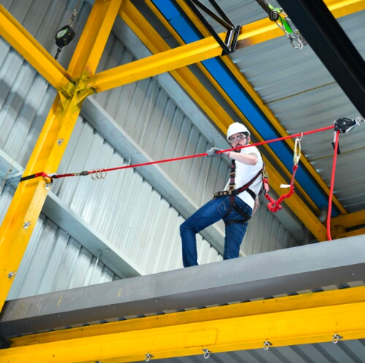
Working at heights presents significant risks across many industries, making reliable fall protection equipment essential for employee safety. A Self Retracting Lanyard is one of the most effective components of a personal fall arrest system because it helps minimize fall distance while allowing workers to move more freely. Whether the job involves construction, roofing, manufacturing, utilities, or facility maintenance, selecting the right equipment can make a meaningful difference in reducing workplace hazards. Unlike traditional lanyards that may leave excess slack, a self retracting lanyard automatically extends and retracts as the user moves. This design improves mobility while helping keep the lifeline taut during routine work activities. Learning how this equipment functions, how to inspect it, and how to use it correctly contributes to a safer work environment. The following guide explores everything professionals need to know about choosing and using a self retracting lanyard effectively.
What Is a Self Retracting Lanyard?
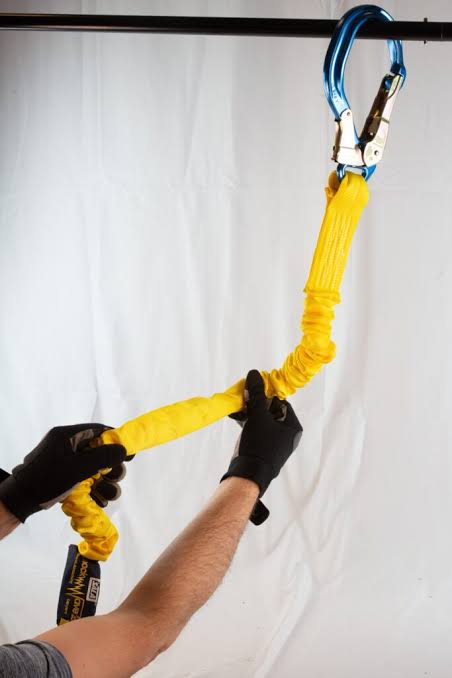
A Self Retracting Lanyard is a fall protection device designed to stop or greatly reduce the distance of a fall by automatically retracting its lifeline during normal movement. It functions similarly to a vehicle seat belt by extending when movement is needed and locking instantly when sudden acceleration is detected. This rapid locking action helps minimize free-fall distance and can reduce the forces placed on the worker during fall arrest. A self retracting lanyard is commonly used as part of a personal fall arrest system alongside a compatible full-body harness and secure anchor point. Depending on the work environment, these devices may feature webbing or steel cable lifelines. Many models are designed for indoor and outdoor use, while specialized versions are available for harsh environments or leading-edge applications. Because of their advanced safety features, self retracting lanyards have become a preferred choice for many industries where employees perform elevated work.
How a Self Retracting Lanyard Works
The operation of a self retracting lanyard is based on a spring-loaded mechanism housed within a durable casing. As the worker moves, the lifeline extends and retracts smoothly without creating excessive slack. Maintaining minimal slack helps reduce tripping hazards and allows employees to move comfortably while remaining protected. If a sudden fall occurs, the internal braking system activates almost instantly. The braking mechanism locks the lifeline within fractions of a second, stopping the fall over a much shorter distance than many traditional lanyards. Some models also include built-in energy absorption technology that helps reduce the force transferred to the worker’s body. This combination of rapid locking and controlled deceleration makes the self retracting lanyard one of the most effective fall arrest devices available for elevated work.
Main Components of a Self Retracting Lanyard
Every self retracting lanyard contains several critical components that work together to provide dependable fall protection. The lifeline may be made from durable webbing or galvanized steel cable, depending on the intended application. The housing protects the internal spring and braking mechanisms from dirt, moisture, and physical damage. Inside the housing, the braking system detects sudden acceleration associated with a fall and locks immediately to arrest movement. Connector hooks allow secure attachment to the user’s full-body harness and designated anchor point. Many models also include swivels that reduce twisting and tangling during movement, improving worker comfort and equipment longevity. Some units incorporate additional shock-absorbing features that help lower arrest forces, making the equipment even more effective during emergency situations.
Benefits of Using a Self Retracting Lanyard
A self retracting lanyard offers numerous advantages that contribute to safer and more efficient work at height. One of the greatest benefits is the reduction in free-fall distance compared to fixed-length lanyards. Shorter fall distances help decrease the likelihood of striking lower levels or nearby structures. Continuous tension in the lifeline also reduces excess slack, minimizing trip hazards while allowing workers to move more naturally. Increased mobility often improves productivity because employees can perform tasks without constantly adjusting their equipment. Many employers also appreciate that self retracting lanyards support compliance with workplace safety standards when properly selected and used. Investing in quality fall protection equipment demonstrates a commitment to worker safety while helping reduce costly incidents and downtime.
Common Types of Self Retracting Lanyards
Different work environments require different styles of self retracting lanyards. Webbing self retracting lanyards are lightweight and commonly used in general construction and maintenance applications. Cable models provide greater durability for environments where abrasion, heat, or sharp materials are present. Leading-edge self retracting lanyards are specifically engineered to withstand contact with sharp edges and are frequently used on steel structures or unfinished building frameworks. Personal self retracting lanyards are compact and lightweight, making them ideal for workers who frequently change positions throughout the day. Twin-leg models allow continuous tie-off while transitioning between anchor points, improving protection during movement. Specialized confined space versions may include retrieval capabilities for rescue operations. Choosing the appropriate type ensures optimal performance and safety for the intended application.
Industries That Commonly Use Self Retracting Lanyards
Many industries rely on self retracting lanyards because employees regularly perform tasks at elevated locations. Construction workers frequently use them while working on buildings, bridges, and scaffolding. Roofing professionals depend on fall protection equipment when installing or repairing roofing systems. Manufacturing facilities often require employees to access elevated machinery, platforms, or storage areas where fall hazards exist. Utility and telecommunications technicians use self retracting lanyards while climbing poles, towers, and communication structures. Oil and gas operations, mining sites, and wind energy facilities also involve numerous elevated work areas where reliable fall arrest systems are essential. Warehouse employees working on elevated platforms and maintenance personnel servicing large equipment benefit from the enhanced mobility and safety these devices provide. Across these industries, proper training and equipment selection remain equally important.
Choosing the Right Self Retracting Lanyard
Selecting the proper self retracting lanyard requires careful evaluation of the work environment and job requirements. Workers should first determine the available fall clearance to ensure the equipment can safely arrest a fall without allowing contact with lower levels. The lifeline material should match workplace conditions, with webbing suitable for many standard environments and steel cable preferred where additional durability is needed. Weight capacity must accommodate the worker as well as clothing, tools, and personal protective equipment. Compatibility with harness connectors and anchor points is another important consideration because mismatched components may compromise safety. Environmental factors such as moisture, chemicals, extreme temperatures, and sharp edges should also influence equipment selection. Reviewing applicable safety standards and manufacturer recommendations helps ensure the chosen self retracting lanyard is appropriate for the specific task.
Proper Inspection Before Every Use
Routine inspection is one of the most important responsibilities for anyone using a self retracting lanyard. Workers should visually inspect the housing for cracks, dents, corrosion, or other signs of physical damage before each use. The lifeline should be checked carefully for cuts, fraying, broken wires, excessive wear, or contamination. Extending and retracting the lifeline helps verify smooth operation without sticking or hesitation. The locking mechanism should also be tested according to the manufacturer’s instructions to confirm proper engagement. Connector hooks should open, close, and lock securely without excessive wear or deformation. Any equipment showing signs of damage, malfunction, or previous fall arrest should be removed from service immediately until evaluated or replaced according to manufacturer guidelines.
Best Practices for Safe Use
Safe use of a self retracting lanyard involves much more than simply attaching it to a harness. Workers should always connect the device to a properly rated anchor point capable of supporting required loads. Maintaining sufficient fall clearance below the work area helps prevent contact with lower surfaces if a fall occurs. The lifeline should remain as vertical as possible to reduce swing fall hazards that can cause additional injuries. Users should avoid routing the lifeline over sharp edges unless the equipment is specifically designed for leading-edge applications. Manufacturer instructions should always be followed regarding installation, maintenance, inspection, and operating limitations. Employers should also provide regular training so workers understand correct usage, hazard recognition, emergency procedures, and rescue planning. Consistent adherence to these practices significantly improves overall workplace safety.
Care, Cleaning, and Storage
Proper maintenance extends the service life and reliability of a self retracting lanyard. Dirt, dust, and debris should be removed using cleaning methods recommended by the equipment manufacturer. Harsh chemicals or abrasive cleaners should generally be avoided because they may damage lifeline materials or internal components. After cleaning, the equipment should be allowed to dry thoroughly before storage if moisture is present. Storage areas should remain cool, dry, and protected from direct sunlight, excessive humidity, and corrosive substances. Equipment should never be stored where heavy objects can crush or deform the housing. Scheduled inspections by qualified personnel complement daily user inspections and help identify wear that may not be immediately visible during routine checks.
Common Mistakes to Avoid
Several common mistakes can reduce the effectiveness of a self retracting lanyard and increase workplace risk. Using equipment that has visible damage or has already arrested a fall can compromise worker safety. Attaching the device to an unsuitable anchor point may prevent it from functioning as designed during an emergency. Ignoring inspection procedures allows hidden defects to remain undetected until a critical moment. Exceeding the manufacturer’s weight limits can negatively affect braking performance and fall arrest capability. Selecting the wrong type of self retracting lanyard for leading-edge work or harsh environments may expose the lifeline to unnecessary damage. Skipping employee training often leads to improper equipment use and unsafe work habits. Avoiding these mistakes helps maintain both regulatory compliance and worker protection.
Frequently Asked Questions
What is a self retracting lanyard used for?
A self retracting lanyard is used to protect workers from falls while performing tasks at elevated locations. It minimizes free-fall distance by automatically locking during a fall while allowing unrestricted movement during normal work activities. It is commonly used as part of a personal fall arrest system.
How is a self retracting lanyard different from a standard shock-absorbing lanyard?
A standard lanyard has a fixed length and usually allows more free-fall distance before arresting a fall. A self retracting lanyard continuously retracts slack and locks almost immediately during a fall, helping reduce both fall distance and arrest forces.
When should a self retracting lanyard be inspected?
The equipment should be inspected before every use by the worker. It should also receive scheduled inspections from qualified personnel according to manufacturer recommendations and workplace safety policies.
Can a self retracting lanyard be used on leading edges?
Only models specifically designed and labeled for leading-edge applications should be used in those environments. Standard models may not provide adequate protection against sharp edges.
How long does a self retracting lanyard typically last?
Service life varies depending on manufacturer recommendations, frequency of use, environmental conditions, maintenance practices, and inspection results. Regular inspections are more important than relying solely on equipment age.
What should I do if a self retracting lanyard has arrested a fall?
Any self retracting lanyard involved in a fall arrest should be removed from service immediately. It should only be returned to use if the manufacturer authorizes inspection and recertification or recommends replacement.
Are self retracting lanyards required for all working-at-height jobs?
Not every elevated task requires a self retracting lanyard, but many jobs benefit from its ability to reduce free-fall distance. Employers should conduct a hazard assessment to determine the most appropriate fall protection system.
Can one self retracting lanyard be shared by multiple workers?
Yes, provided the equipment is inspected before each use, remains in good condition, and is suitable for every user’s weight and work application. Employers should also maintain accurate inspection and maintenance records.
Takeaway
A Self Retracting Lanyard plays an important role in modern fall protection by combining worker mobility with rapid fall arrest performance. Selecting the correct model, inspecting it before every use, and following manufacturer guidelines all contribute to safer elevated work. Proper training, compatible equipment, and well-planned rescue procedures further strengthen workplace safety programs. Organizations that prioritize high-quality fall protection equipment help reduce the risk of serious injuries while supporting compliance with workplace safety requirements. Whether used in construction, manufacturing, utilities, or maintenance, a self retracting lanyard remains one of the most dependable tools for protecting workers who perform tasks at height.