What Is Personal Protective Gear?
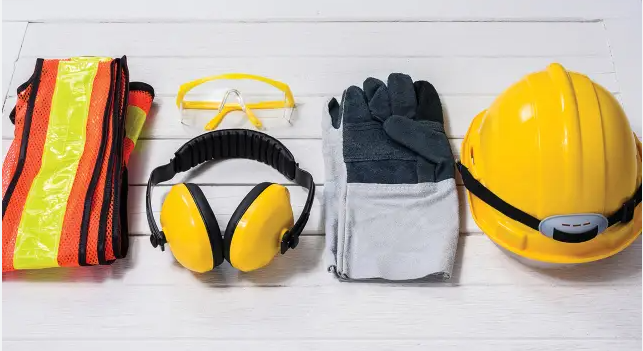
Personal Protective Gear plays a vital role in protecting people from hazards that can cause injuries, illnesses, or long-term health problems. It refers to clothing and equipment designed to create a protective barrier between a person and potential workplace or environmental dangers. Depending on the task being performed, this gear may include helmets, gloves, safety glasses, respirators, protective footwear, hearing protection, and specialized clothing. Every type of Personal Protective Gear serves a unique purpose and is intended to minimize specific risks. Whether someone works in construction, manufacturing, healthcare, laboratories, or warehousing, wearing the correct protective equipment significantly lowers the chance of accidents. Even individuals completing home improvement projects or outdoor tasks can benefit from using appropriate protective gear. Understanding what Personal Protective Gear is and how it functions is the first step toward creating a safer environment wherever hazards exist.
Why Personal Protective Gear Matters
Personal Protective Gear is one of the most effective ways to reduce the likelihood of injuries when workplace hazards cannot be completely eliminated. Many occupations expose workers to falling objects, loud machinery, harmful chemicals, airborne particles, sharp tools, and slippery surfaces. Proper protective equipment creates an additional layer of defense that helps prevent serious incidents. Beyond protecting employees, it also helps organizations maintain productivity by reducing downtime caused by injuries. Employees who feel safe are often more confident and focused while performing their daily responsibilities. Investing in quality Personal Protective Gear demonstrates a commitment to employee well-being and responsible workplace practices. A strong safety culture begins with recognizing that every worker deserves reliable protection while performing their job.
Different Types of Personal Protective Gear
Different tasks require different forms of Personal Protective Gear. Selecting the right equipment depends on the hazards present and the work being performed. Using one type of protective equipment does not eliminate the need for another, as many jobs require multiple layers of protection. Employers and workers should understand the purpose of every piece of equipment before beginning any task. Proper training also ensures that employees know how and when each item should be worn. Combining multiple forms of protection often provides the highest level of safety. Becoming familiar with the various categories helps individuals make informed decisions.
Head Protection
Head injuries can occur unexpectedly from falling materials, accidental impacts, or contact with fixed objects. Hard hats are commonly used in construction and industrial settings to reduce the risk of severe head trauma. Some workplaces also require specialized helmets that provide protection against electrical hazards or climbing accidents. Bump caps offer limited protection in lower-risk environments where employees may strike stationary objects. A properly fitted helmet stays securely in place without causing discomfort during long work shifts. Regular inspections help identify cracks, dents, or damaged suspension systems that may reduce effectiveness. Replacing damaged head protection promptly is essential for maintaining workplace safety.
Eye and Face Protection
Eyes are especially vulnerable to dust, chemicals, flying debris, sparks, and intense light. Safety glasses provide basic protection for many common workplace tasks. Goggles offer a tighter seal that helps protect against liquids and airborne particles. Face shields provide additional coverage for the entire face but are often used together with safety glasses rather than replacing them. Welders rely on specialized helmets that protect against heat, sparks, and harmful ultraviolet radiation. Employees should always choose eye protection that matches the hazards of the task being performed. Keeping lenses clean and free from scratches improves visibility while maintaining protection.
Hearing Protection
Long-term exposure to loud noise can gradually damage hearing, often without noticeable symptoms during the early stages. Earplugs and earmuffs help reduce noise exposure in manufacturing plants, airports, construction sites, and other high-noise environments. Different products provide different noise reduction ratings, making proper selection important. Workers should wear hearing protection consistently whenever required rather than only during extremely loud activities. Comfort also plays a role because equipment that fits well is more likely to be worn correctly throughout an entire shift. Regular replacement of disposable earplugs helps maintain hygiene and effectiveness. Protecting hearing today can prevent permanent hearing loss later in life.
Respiratory Protection
Airborne hazards such as dust, fumes, smoke, vapors, and infectious particles require effective respiratory protection. Disposable dust masks may be appropriate for low-risk environments, while respirators provide a higher level of protection for hazardous conditions. Some industries require powered air-purifying respirators or supplied-air systems for maximum safety. Proper fit testing is essential because even small gaps can reduce effectiveness. Workers should never assume that one respirator is suitable for every hazard. Filters and cartridges must be replaced according to manufacturer recommendations. Maintaining respiratory protection helps safeguard long-term lung health.
Hand Protection
Hands are frequently exposed to cuts, burns, chemicals, vibrations, and extreme temperatures. Choosing the right gloves depends entirely on the specific task. Cut-resistant gloves help reduce injuries when handling sharp materials, while chemical-resistant gloves protect against hazardous substances. Heat-resistant gloves are commonly used in welding and metalworking, whereas insulated gloves provide protection from electrical hazards when appropriately rated. Disposable gloves play an important role in healthcare and food handling. Gloves should fit comfortably without limiting movement or dexterity. Damaged gloves should always be replaced before beginning work.
Foot Protection
Foot injuries often result from heavy falling objects, punctures, slips, or electrical hazards. Safety boots with reinforced toe protection help reduce injuries caused by impact and compression. Slip-resistant footwear improves stability on wet or oily surfaces. Certain work environments require electrical hazard footwear or puncture-resistant soles. Employees should select footwear designed specifically for their workplace conditions. Comfortable footwear also helps reduce fatigue during long shifts. Inspecting boots regularly for excessive wear helps ensure continued protection.
Body Protection
Body protection includes clothing designed to shield workers from chemicals, heat, flames, sharp objects, and weather conditions. High-visibility clothing allows workers to remain easily seen near traffic or heavy equipment. Flame-resistant garments reduce burn risks in industries involving fire hazards. Chemical-resistant suits help protect against hazardous liquids and gases. Disposable coveralls may also help reduce contamination in laboratories and healthcare environments. Protective clothing should fit properly without restricting movement. Clean, undamaged garments provide the best level of protection.
Fall Protection Equipment
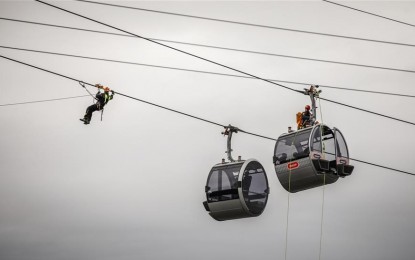
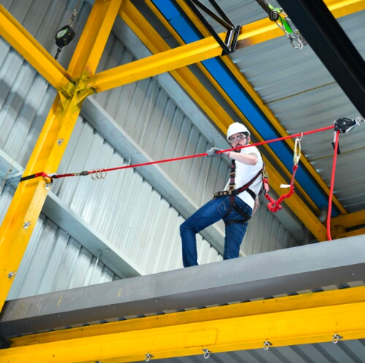
Working at elevated heights presents significant risks that require specialized equipment. Safety harnesses distribute force across the body if a fall occurs. Lanyards connect the harness to secure anchor points, reducing the distance of a fall. Lifelines provide additional protection when employees move across elevated work areas. Every component should be inspected before each use to identify signs of wear or damage. Workers should also receive proper training on fitting and using fall protection systems correctly. Reliable fall protection can prevent life-threatening injuries in high-risk environments.
How to Choose the Right Personal Protective Gear
Selecting Personal Protective Gear begins with identifying all hazards associated with a specific task. Risk assessments help determine whether employees face chemical, biological, physical, electrical, or environmental dangers. Once hazards are identified, employers can select equipment specifically designed to provide protection against those risks. Proper fit is equally important because poorly fitting gear may reduce both comfort and effectiveness. Workers should also verify that equipment meets recognized safety standards applicable to their industry. Durability, ease of maintenance, and compatibility with other protective equipment should also influence purchasing decisions. Careful selection ensures workers receive dependable protection while remaining comfortable enough to wear the equipment consistently.
Proper Use of Personal Protective Gear
Even the highest-quality Personal Protective Gear cannot provide reliable protection if it is used incorrectly. Workers should inspect every item before use to identify damage, missing parts, or signs of excessive wear. Equipment should always be worn according to manufacturer instructions and workplace safety policies. Employees should avoid modifying protective gear because even small alterations may reduce its effectiveness. Supervisors should provide regular training so workers remain familiar with proper usage techniques. Consistent use during every task is just as important as choosing the correct equipment. Developing safe habits helps transform protective gear from a workplace requirement into a daily routine that supports long-term health and safety.
Cleaning, Storage, and Maintenance
Taking care of Personal Protective Gear is just as important as choosing the correct equipment. Protective gear that is dirty, damaged, or poorly maintained may not provide the level of protection it was designed to deliver. Workers should inspect their equipment before and after every use to identify cracks, tears, loose components, worn straps, or other signs of damage. Cleaning procedures should always follow the manufacturer’s recommendations because different materials require different methods of care. Respirators, safety glasses, gloves, and protective clothing should be cleaned regularly to remove dirt, chemicals, and contaminants that could affect performance. Proper storage also extends the life of Personal Protective Gear by protecting it from moisture, sunlight, dust, and extreme temperatures. A consistent maintenance routine helps ensure that protective equipment remains dependable whenever it is needed.
Common Mistakes People Make When Using Personal Protective Gear
Many workplace injuries occur because Personal Protective Gear is not used correctly or consistently. One of the most common mistakes is wearing equipment that does not match the hazards of the job. Another frequent problem is choosing gear that does not fit properly, making it uncomfortable and less effective. Some workers continue using damaged or worn equipment instead of replacing it promptly, increasing the risk of injury. Others remove protective gear for convenience during short tasks, even though hazards remain present. Skipping inspections before use can also allow hidden defects to go unnoticed. Avoiding these common mistakes helps workers gain the full protective benefits that Personal Protective Gear is intended to provide.
Personal Protective Gear Across Different Industries
Personal Protective Gear requirements vary depending on the work environment and the types of hazards employees encounter. Although every industry has unique risks, the goal remains the same: protecting workers from preventable injuries and illnesses. Employers should evaluate job-specific hazards and provide equipment that meets those needs. Workers should also understand why each item is required and how it contributes to overall safety. Regular training reinforces proper use and encourages consistent compliance. Investing in the right protective equipment benefits both employees and organizations. The following examples show how Personal Protective Gear supports safety across different industries.
Construction
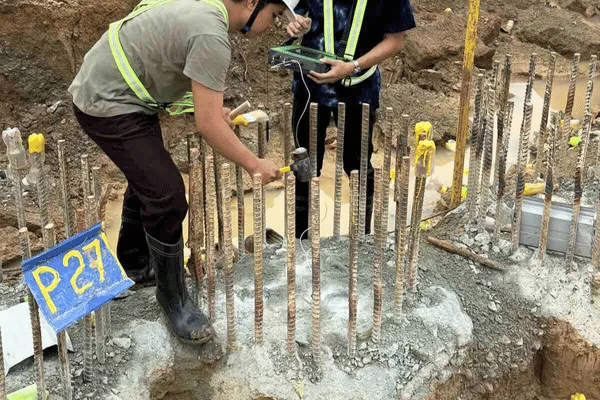
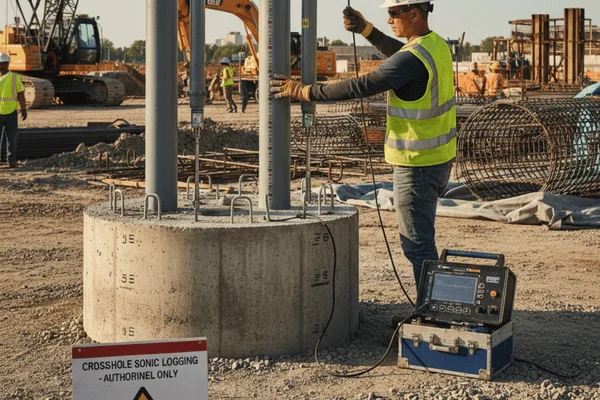
Construction workers regularly face hazards such as falling objects, heavy machinery, elevated work areas, dust, and loud equipment. Hard hats, steel-toe boots, high-visibility vests, gloves, eye protection, hearing protection, and fall arrest systems are commonly required. These protective items reduce the likelihood of serious injuries while allowing workers to perform demanding tasks more safely. Construction sites often change from day to day, making regular hazard assessments especially important. Supervisors should ensure that workers wear all required equipment before entering active work zones. Routine inspections of protective gear help identify damaged items that need replacement. Consistent use of Personal Protective Gear contributes to a safer construction environment for everyone on site.
Manufacturing
Manufacturing facilities often involve moving machinery, sharp materials, chemicals, and high noise levels. Employees may need safety glasses, gloves, hearing protection, respirators, protective footwear, and specialized clothing depending on their specific duties. Machine operators should never rely solely on equipment guards without also wearing appropriate Personal Protective Gear. Proper protection reduces the risk of cuts, burns, chemical exposure, and hearing damage. Training helps workers understand which equipment is necessary for each production area. Regular equipment maintenance further improves workplace safety. Combining safe work practices with reliable protective gear creates a stronger safety culture throughout the facility.
Healthcare
Healthcare professionals encounter biological hazards, infectious diseases, and potentially hazardous fluids every day. Gloves, face shields, protective gowns, respirators, and eye protection help reduce the spread of infections while protecting both healthcare workers and patients. Proper hand hygiene works together with Personal Protective Gear to create multiple layers of protection. Medical staff should receive ongoing training regarding the correct sequence for putting on and removing protective equipment. Disposable items should be discarded safely after use to prevent contamination. Reusable equipment should be cleaned and disinfected according to established procedures. Consistent use of Personal Protective Gear supports a healthier and safer healthcare environment.
Food Processing
Food processing facilities focus on protecting both workers and food products. Employees commonly wear hair coverings, gloves, aprons, protective footwear, and eye protection depending on the production process. Maintaining hygiene is essential for preventing contamination and supporting food safety standards. Workers should replace damaged or contaminated protective items immediately. Proper cleaning and storage procedures also help maintain sanitation throughout the facility. Supervisors should reinforce good hygiene habits alongside the use of Personal Protective Gear. These practices help protect employees while promoting product quality and consumer confidence.
Laboratories
Laboratory personnel frequently handle chemicals, biological materials, and specialized equipment that require multiple forms of protection. Lab coats, gloves, safety goggles, face shields, and respirators are selected based on the materials being used. Employees should understand the hazards associated with every substance before beginning an experiment. Protective equipment should never replace safe laboratory procedures but should instead serve as an additional layer of defense. Emergency eyewash stations and safety showers should remain easily accessible. Laboratory staff should inspect their Personal Protective Gear regularly to ensure it remains in good condition. Careful preparation and consistent protection help reduce the risk of accidents in laboratory settings.
Warehousing and Logistics
Warehouses present hazards that include forklift traffic, heavy lifting, falling objects, and repetitive physical tasks. Workers often rely on safety footwear, gloves, high-visibility clothing, and back-support practices to reduce injury risks. Eye protection may also be necessary in areas where packaging materials or debris are present. Good housekeeping reduces slip and trip hazards while complementing the protection provided by Personal Protective Gear. Employees should remain alert and follow designated traffic routes within the facility. Regular safety training reinforces best practices for material handling and equipment operation. Reliable protective gear helps employees perform demanding warehouse tasks with greater confidence and safety.
How Employers Can Encourage Proper PPE Compliance
Employers play a significant role in ensuring that Personal Protective Gear is used correctly throughout the workplace. Providing high-quality equipment demonstrates a commitment to employee safety and encourages greater compliance. Safety training should explain not only how to wear protective gear but also why it is necessary for each task. Supervisors should perform regular inspections and address unsafe practices promptly through coaching and education. Employees should feel comfortable reporting damaged equipment or requesting replacements without hesitation. Recognizing safe work habits can motivate workers to remain consistent in following established procedures. Building a workplace where safety is valued every day helps reduce injuries and strengthens employee confidence.
Emerging Innovations in Personal Protective Gear
Advances in technology continue to improve the design and performance of Personal Protective Gear. Modern protective equipment is becoming lighter, more comfortable, and easier to wear during extended work shifts. Smart helmets equipped with sensors can monitor environmental conditions and alert workers to potential hazards. Connected wearable devices can also help track worker location, movement, and exposure to dangerous conditions. Improved materials provide stronger protection while reducing overall weight, making equipment less physically demanding to wear. Sustainable manufacturing practices are also leading to environmentally friendly protective products made from recyclable materials. These innovations demonstrate how Personal Protective Gear continues to evolve to meet the changing needs of today’s workplaces.
Frequently Asked Questions (FAQ)
What is Personal Protective Gear used for?
Personal Protective Gear helps reduce the risk of injuries and illnesses by creating a barrier between people and workplace hazards such as chemicals, falling objects, sharp materials, loud noise, airborne particles, and infectious substances.
Who should wear Personal Protective Gear?
Anyone exposed to workplace or environmental hazards should wear the appropriate Personal Protective Gear. This includes workers in construction, manufacturing, healthcare, laboratories, warehouses, maintenance, and many other industries.
How do I know if my Personal Protective Gear fits properly?
Protective equipment should fit securely without being too tight or too loose. It should allow normal movement while remaining in the correct position during work activities.
How often should Personal Protective Gear be inspected?
Protective equipment should be inspected before every use and after use whenever possible. Regular inspections help identify damage that could reduce effectiveness.
Can Personal Protective Gear be reused?
Some equipment is designed for multiple uses if it is properly cleaned, maintained, and stored. Disposable items should only be used once unless the manufacturer specifically states otherwise.
When should Personal Protective Gear be replaced?
Protective gear should be replaced whenever it becomes damaged, worn, expired, contaminated beyond cleaning, or no longer provides the required level of protection.
Is Personal Protective Gear required by law in workplaces?
Many countries require employers to provide appropriate Personal Protective Gear whenever workplace hazards cannot be adequately controlled through other safety measures. Specific requirements depend on local regulations and industry standards.
What is the difference between Personal Protective Gear and safety equipment?
Personal Protective Gear is worn directly by an individual to provide protection, while safety equipment may also include workplace systems such as machine guards, emergency alarms, ventilation systems, and barriers that help reduce overall risk.
Takeaway
Personal Protective Gear remains one of the most valuable tools for preventing workplace injuries and protecting long-term health. Choosing equipment that matches specific hazards, wearing it correctly, and maintaining it properly all contribute to a safer working environment. Every worker has a role in using protective equipment consistently, while employers are responsible for providing quality gear, training, and ongoing support. As technology continues to improve, modern Personal Protective Gear offers greater comfort, durability, and performance than ever before. Developing strong safety habits benefits individuals, coworkers, and organizations alike. By making Personal Protective Gear a daily priority, people can perform their responsibilities with greater confidence while reducing unnecessary risks. A proactive approach to workplace safety helps create healthier environments where everyone can focus on doing their best work safely.