Working at elevated heights presents significant risks across construction, manufacturing, utilities, telecommunications, warehousing, and industrial maintenance. A reliable Fall Arrest System serves as one of the most effective safety measures for protecting workers when a fall cannot be completely prevented. Rather than simply meeting regulatory requirements, a properly designed system safeguards lives, minimizes workplace disruptions, and helps organizations build a stronger culture of safety. Understanding how these systems function, what components they include, and how to use them correctly enables employers and workers to make informed decisions before every job performed above ground level.
What Is a Fall Arrest System?
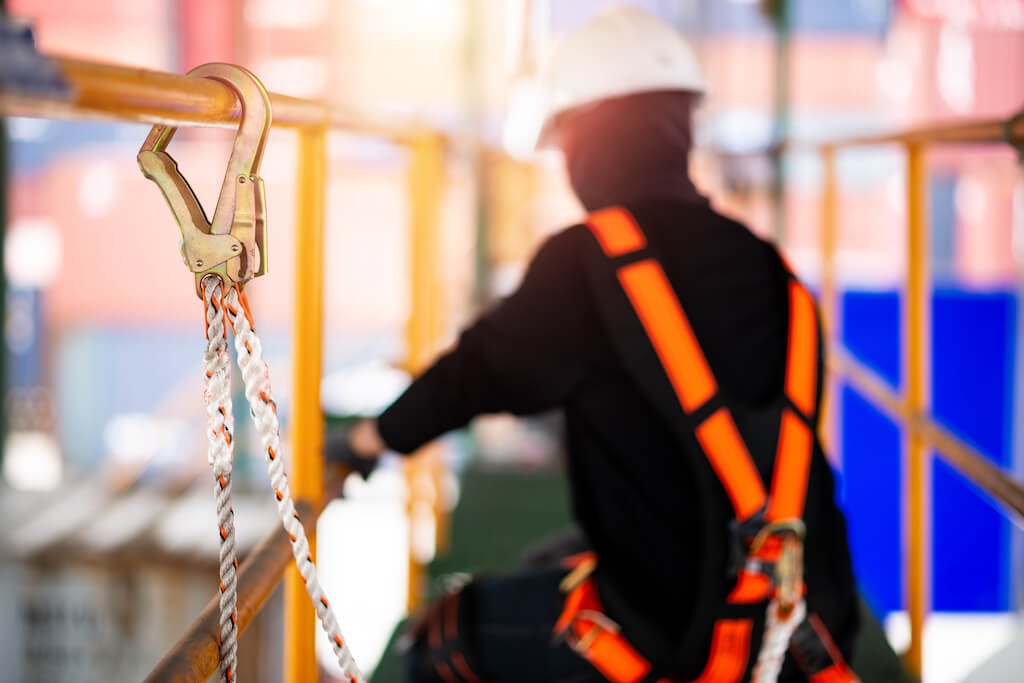
A Fall Arrest System is a collection of personal protective equipment designed to safely stop a worker after a fall has occurred. Unlike systems intended to prevent workers from reaching hazardous edges, a fall arrest system activates once a fall begins and minimizes the forces exerted on the worker’s body. The primary objective is to prevent contact with the ground or lower obstacles while reducing the risk of severe injury. Most systems include a full-body harness, a connecting device, a secure anchorage point, and locking connectors that work together as a complete safety solution. Every component plays an important role, and replacing or removing one element can compromise the effectiveness of the entire system. Selecting compatible equipment and following manufacturer guidelines are essential for achieving reliable protection. When properly installed, inspected, and used, a fall arrest system provides workers with confidence while performing demanding tasks at height.
Why Fall Arrest Systems Are Essential in High-Risk Work Environments
Falls remain one of the leading causes of serious workplace injuries and fatalities, making effective fall protection a top priority for employers. A dependable Fall Arrest System helps reduce the severity of accidents by stopping a fall before the worker reaches a dangerous surface. Industries such as commercial construction, roofing, telecommunications, bridge maintenance, wind energy, and warehouse operations frequently rely on these systems to protect employees. Even experienced workers can lose their footing because of weather conditions, unstable surfaces, equipment failures, or unexpected hazards. Investing in proper fall protection demonstrates an organization’s commitment to employee well-being while reducing downtime, compensation claims, and costly project delays. Strong safety practices also improve workforce morale because employees feel more confident knowing reliable protection is available. A safer workplace ultimately contributes to better productivity, improved operational efficiency, and a stronger reputation within the industry.
Main Components of a Fall Arrest System
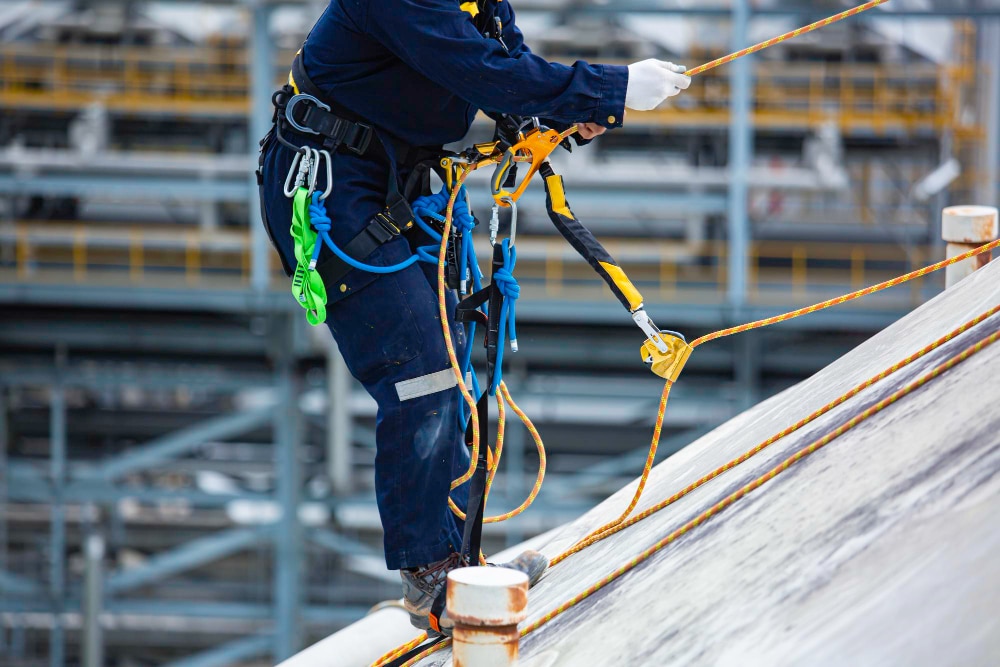
Every Fall Arrest System consists of several critical components that must function together to provide dependable protection. The full-body harness distributes fall forces across stronger parts of the body, including the shoulders, chest, pelvis, and thighs, reducing the likelihood of serious injuries during fall arrest. Proper fit is extremely important because loose straps or incorrect adjustments can reduce effectiveness and increase discomfort. Connecting devices such as shock-absorbing lanyards and self-retracting lifelines link the worker to the anchorage while controlling the energy generated during a fall. Secure anchorage points provide the structural support necessary to withstand the forces involved in stopping a falling worker and should always meet applicable strength requirements. Connectors, including locking carabiners and snap hooks, securely join each component while preventing accidental disengagement during use. Before beginning any task, workers should inspect every component carefully because even minor damage, excessive wear, corrosion, or unauthorized modifications can compromise the integrity of the entire fall arrest system.
How a Fall Arrest System Works
Understanding the mechanics behind a Fall Arrest System helps workers appreciate why every component is essential for safety. When a worker slips or loses balance, the harness immediately supports the body while the connecting device begins absorbing the energy created by the fall. Shock absorbers gradually reduce arrest forces instead of allowing an abrupt stop that could result in serious injuries. Self-retracting lifelines respond even faster by locking almost instantly once rapid movement is detected, minimizing the overall fall distance. The anchorage point bears the load generated during the arrest process, making proper installation and structural integrity critical for reliable performance. After the fall has been safely stopped, an effective rescue plan becomes equally important because prolonged suspension can create additional medical risks. Understanding this complete process reinforces the importance of training, regular inspections, and proper equipment selection whenever a fall arrest system is used.
Different Types of Fall Arrest Systems
Selecting the appropriate Fall Arrest System begins with understanding the different types available and how each one addresses specific workplace hazards. Every work environment presents unique challenges, including varying heights, structural layouts, worker mobility requirements, and environmental conditions. A system that performs well on a construction site may not be the best choice for telecommunications towers or warehouse maintenance. Employers should carefully evaluate the tasks being performed before selecting fall protection equipment to ensure both safety and productivity. Choosing the right system also improves worker comfort, which encourages consistent use throughout the workday. Proper planning helps reduce risks while ensuring compliance with applicable workplace safety regulations. Knowing the strengths of each type of fall arrest system allows organizations to build a safer and more efficient working environment.
Personal Fall Arrest Systems (PFAS)
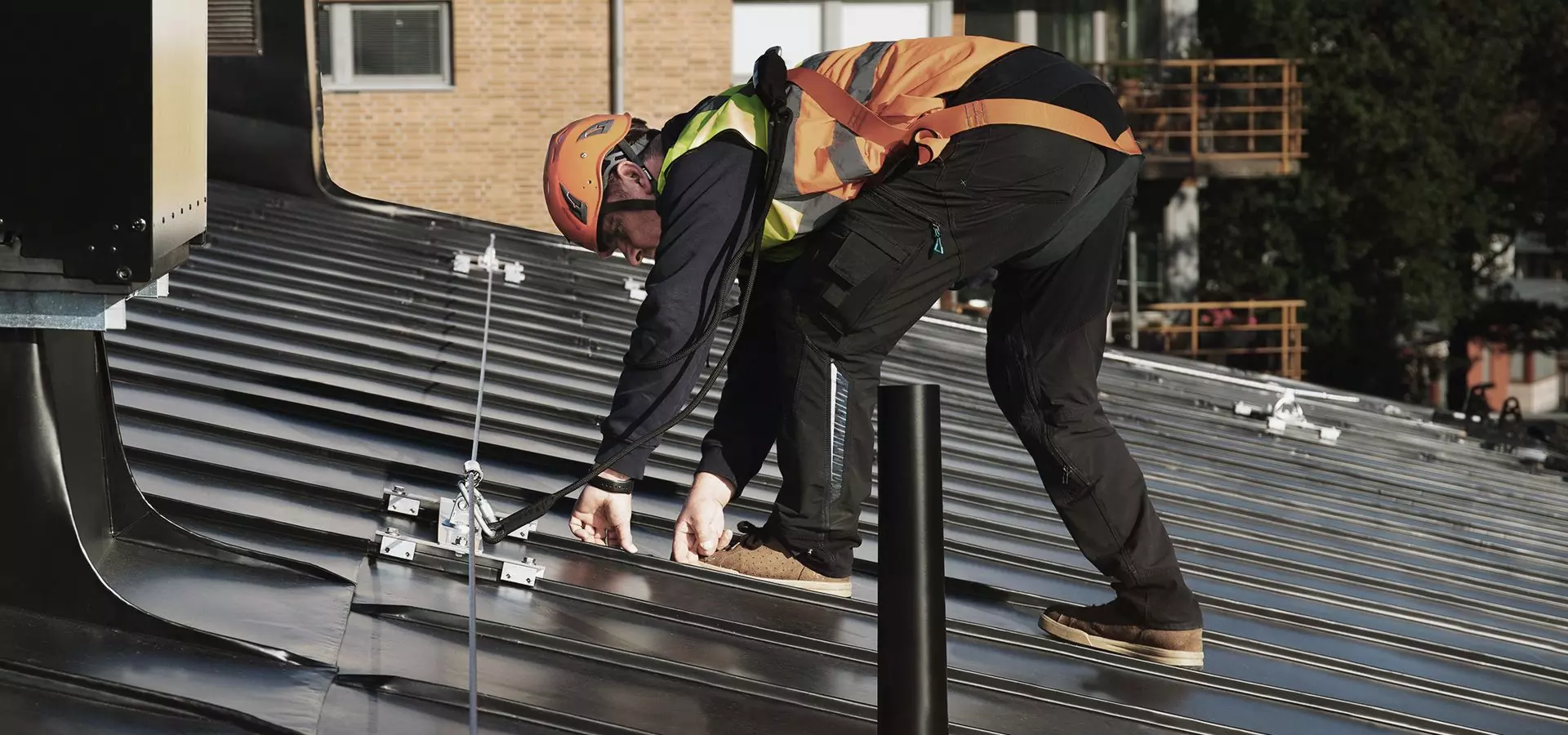
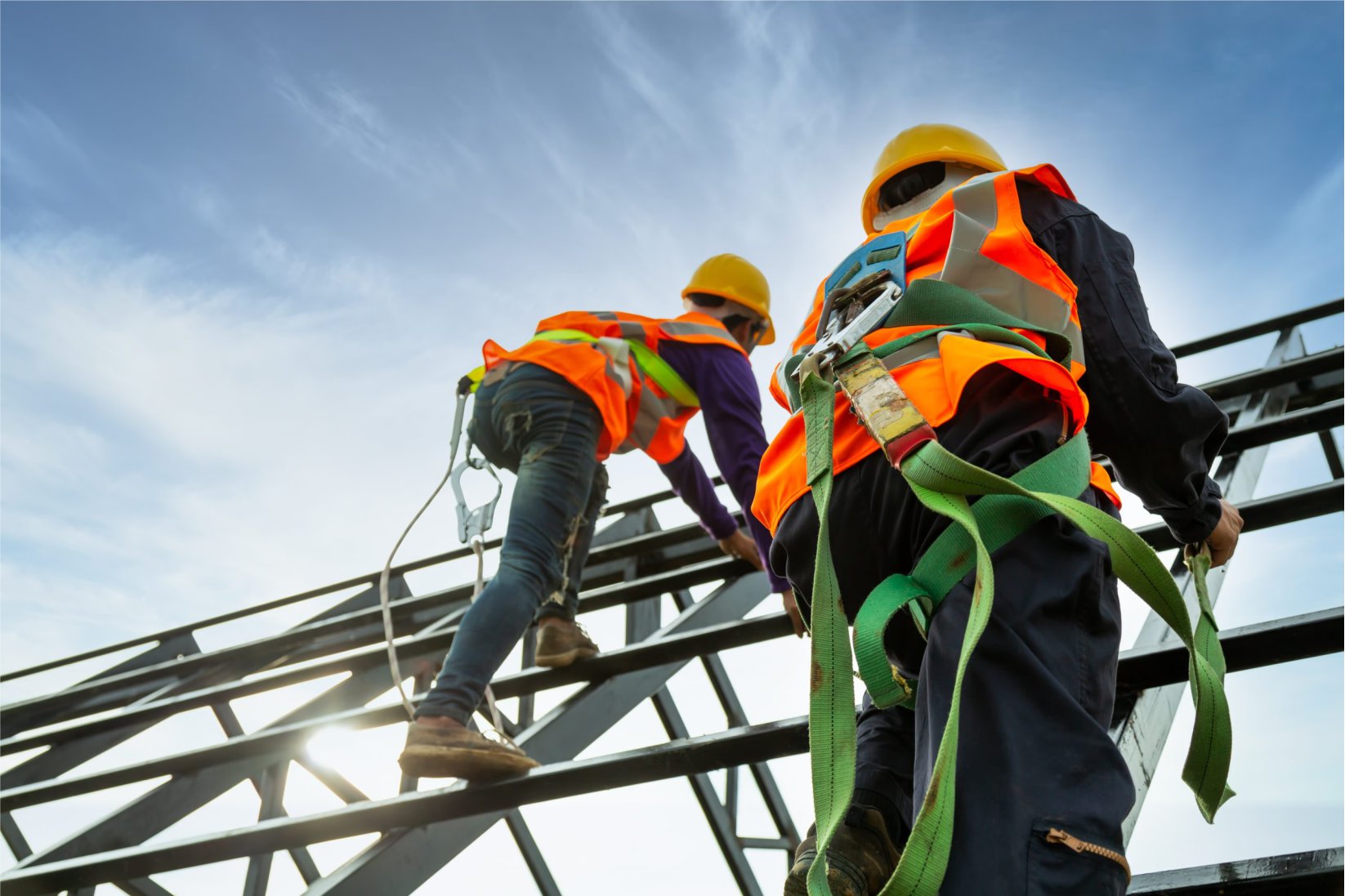
A Personal Fall Arrest System, commonly referred to as PFAS, is one of the most widely used forms of fall protection across multiple industries. This type of Fall Arrest System typically includes a full-body harness, a connecting device, and a secure anchorage point that work together to stop a fall safely. It offers flexibility for workers who frequently move around elevated work areas while remaining connected to an approved anchor. PFAS equipment is commonly used in roofing, commercial construction, manufacturing facilities, and industrial maintenance projects. When properly fitted and inspected before each use, the system provides dependable protection while allowing workers to perform demanding tasks efficiently. Employers should ensure that every component is compatible and rated for the intended application to maximize performance. Regular training also helps workers understand proper attachment methods and reduces the likelihood of user errors.
Horizontal Lifeline Systems
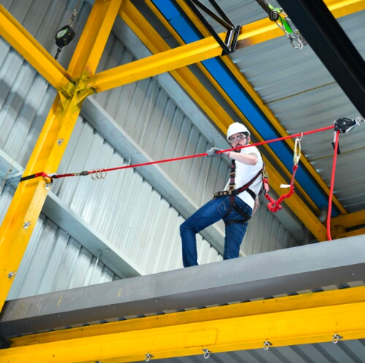
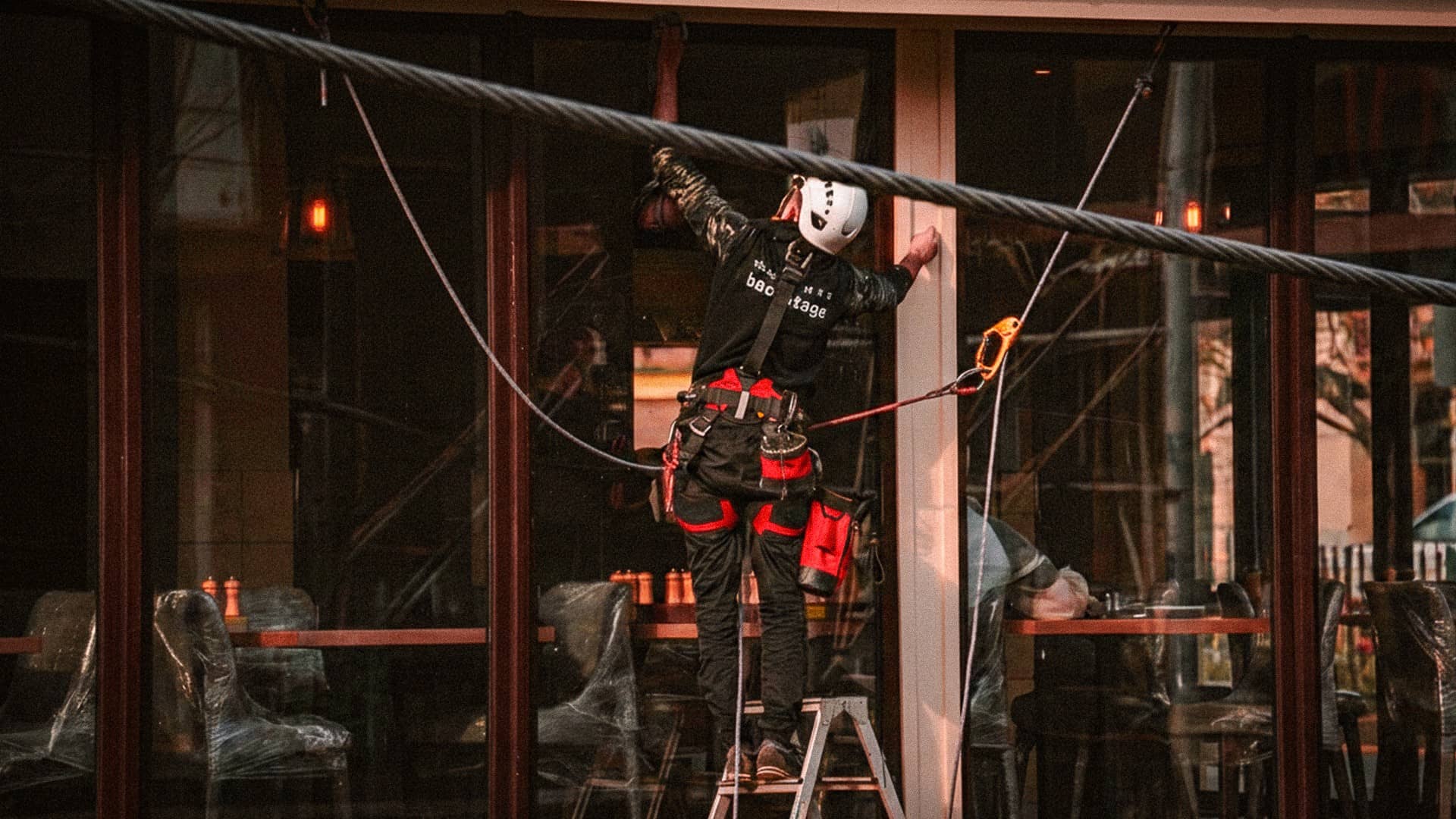
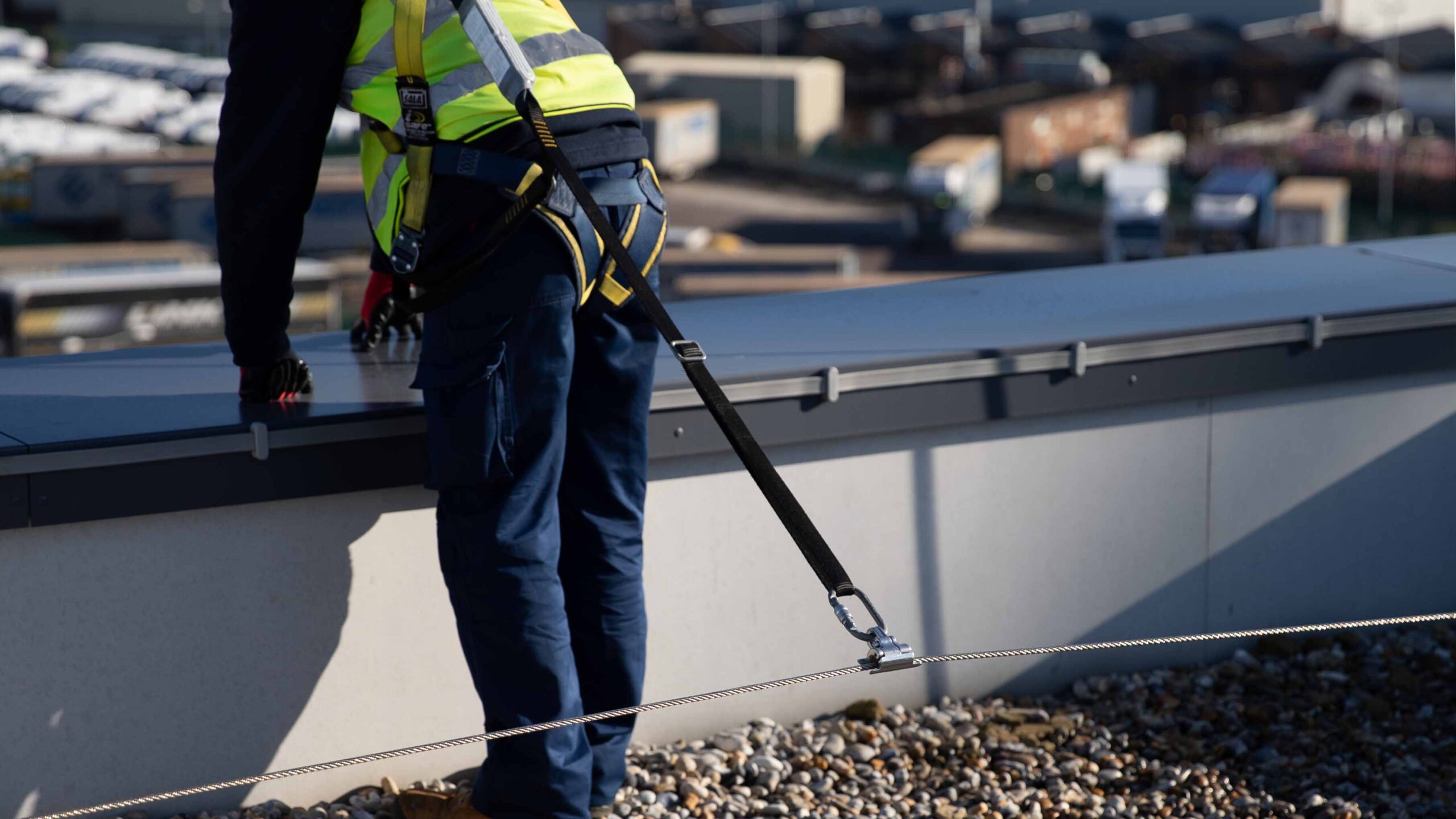
Horizontal lifeline systems provide workers with continuous mobility while remaining connected to a secure fall protection system. This type of Fall Arrest System uses a horizontal cable or rope installed between two or more anchor points, allowing workers to move along a work area without disconnecting. It is especially valuable on rooftops, bridges, loading areas, and large industrial structures where employees must cover considerable distances. Continuous attachment reduces the temptation to disconnect from the system while relocating, which helps maintain a higher level of safety throughout the job. Proper engineering and installation are essential because cable tension and structural loads must be carefully calculated. Routine inspections ensure that the lifeline remains in good condition and capable of supporting workers during an emergency. When designed correctly, horizontal lifeline systems combine mobility with dependable fall protection.
Vertical Lifeline Systems
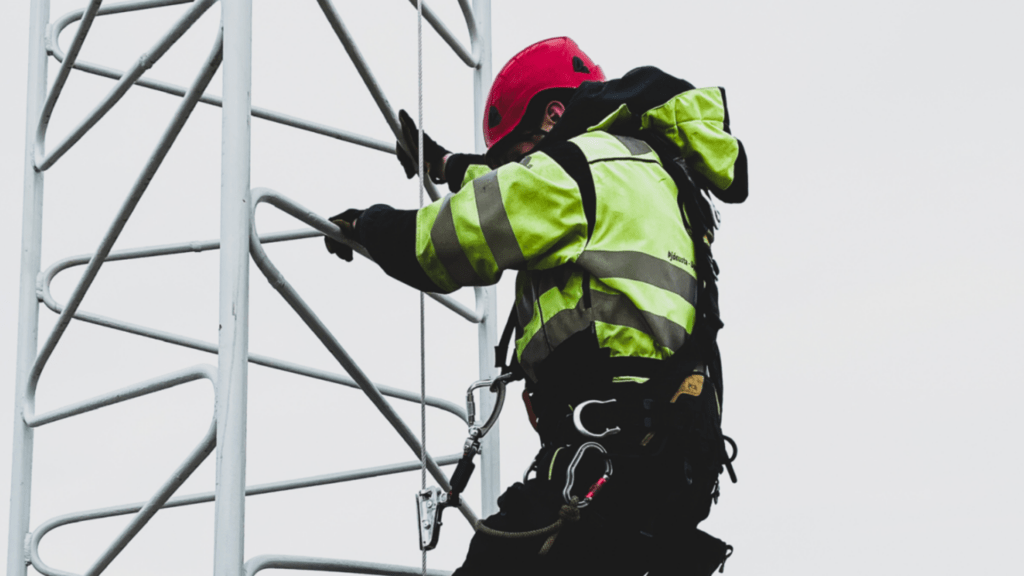
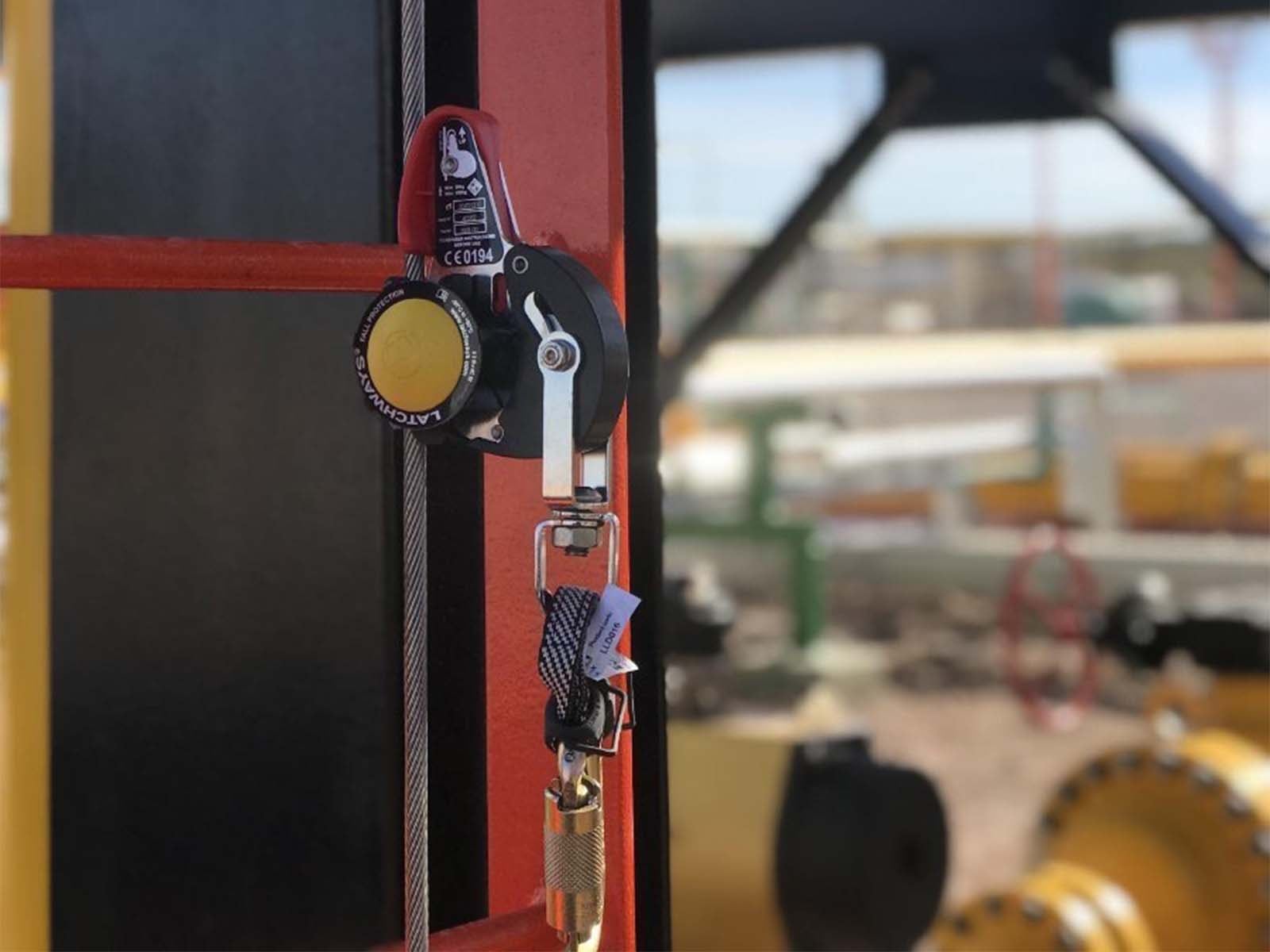
Vertical lifeline systems are specifically designed for tasks that involve climbing ladders, towers, scaffolding, and similar elevated structures. This Fall Arrest System allows workers to remain attached while moving vertically, significantly reducing the risk associated with climbing. A rope or cable extends vertically, and the worker connects using a rope grab or similar device that travels with them during movement. If a fall occurs, the device immediately locks onto the lifeline to stop the descent. These systems are commonly used by utility workers, telecommunications technicians, wind turbine maintenance crews, and industrial inspectors. Proper installation and routine inspections help ensure reliable performance under demanding working conditions. Workers should also receive specialized training to understand proper climbing techniques and safe equipment operation.
Self-Retracting Lifeline Systems
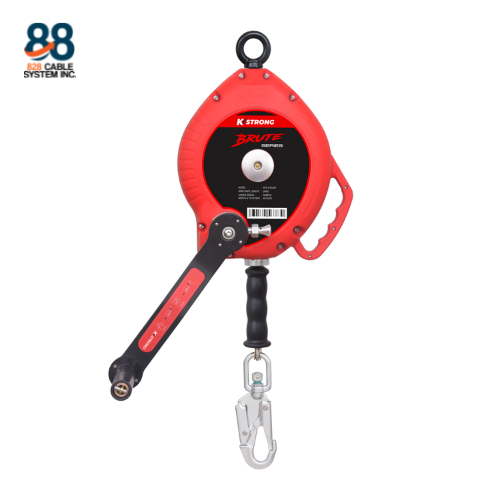
Self-retracting lifeline systems, often called SRLs, provide one of the fastest responses during a fall by minimizing free-fall distance. This advanced Fall Arrest System automatically extends and retracts the lifeline as the worker moves, maintaining constant tension without restricting movement. If rapid movement indicating a fall is detected, the braking mechanism locks almost instantly to arrest the fall quickly. Shorter stopping distances reduce arrest forces and lower the risk of striking nearby obstacles or lower levels. SRLs are commonly used in warehouses, manufacturing facilities, construction projects, and confined-space operations where worker mobility is essential. Although these systems generally cost more than traditional lanyards, their enhanced safety performance often justifies the investment. Proper maintenance and periodic servicing help ensure consistent reliability throughout the equipment’s service life.
Choosing the Right Fall Arrest System
Selecting the best Fall Arrest System requires more than choosing the newest or most expensive equipment available. Employers should first perform a comprehensive hazard assessment that identifies fall risks, work heights, structural conditions, and potential obstacles below the work area. Worker mobility is another important factor because some tasks require greater movement than others, making self-retracting lifelines or horizontal lifeline systems more practical. Equipment weight capacity should always match the intended users, including clothing, tools, and additional personal protective equipment carried during work. Environmental conditions such as moisture, chemicals, extreme temperatures, sharp edges, and electrical hazards may also influence equipment selection. Compatibility among harnesses, connectors, anchors, and lanyards is equally important because mixing incompatible components can reduce overall system effectiveness. Investing in quality equipment from reputable manufacturers often provides better durability, improved worker comfort, and lower replacement costs over the long term.
OSHA and ANSI Requirements for Fall Arrest Systems
Regulatory compliance plays a critical role in ensuring every Fall Arrest System performs as intended during an emergency. The Occupational Safety and Health Administration (OSHA) establishes workplace safety requirements that employers must follow when workers are exposed to fall hazards. These regulations specify when fall protection is required, what equipment should be used, and the responsibilities employers have for maintaining safe working conditions. The American National Standards Institute (ANSI) publishes additional consensus standards that provide guidance for equipment performance, testing, inspection, and best practices. Employers should remain informed about both OSHA regulations and ANSI recommendations to maintain a comprehensive fall protection program. Employees also have responsibilities, including using equipment correctly, participating in training, reporting damaged gear, and following established safety procedures. Consistent compliance not only helps organizations avoid penalties but also creates a safer workplace where workers are better protected from preventable accidents.
Proper Inspection and Maintenance
Routine inspection and maintenance are essential for ensuring every Fall Arrest System remains reliable throughout its service life. Workers should inspect harnesses before every use, checking for cuts, frayed stitching, burns, chemical damage, excessive wear, broken buckles, and signs of deterioration. Lanyards, self-retracting lifelines, connectors, and anchorage devices should also be examined carefully to identify defects that could affect performance during a fall. In addition to daily inspections, competent persons should perform scheduled documented inspections according to manufacturer recommendations and workplace policies. Any equipment that has arrested a fall or shows signs of damage should be removed from service immediately until it has been properly evaluated or replaced. Proper storage is equally important because excessive heat, moisture, ultraviolet exposure, dirt, and chemicals can significantly shorten the lifespan of fall protection equipment. Establishing a consistent maintenance program helps extend equipment longevity while ensuring workers can rely on their fall arrest system whenever they perform tasks at height.
Common Mistakes That Reduce Fall Arrest System Effectiveness
Even the highest-quality Fall Arrest System cannot provide adequate protection if it is used incorrectly or maintained poorly. One of the most common mistakes is wearing a full-body harness that is too loose or improperly adjusted, which can increase the risk of injury during a fall. Another frequent error involves attaching the connecting device to an anchor point that is not designed or rated to support fall arrest forces. Some workers overlook routine inspections, assuming equipment is safe simply because it appears functional, but hidden damage can significantly reduce its performance. Using components from different manufacturers without verifying compatibility may also compromise the integrity of the entire system. Workers should never exceed the weight capacity specified by the manufacturer, including the combined weight of tools and personal protective equipment. Another critical hazard is the potential for a swing fall, which can occur when the anchorage point is positioned too far from the work area, causing the worker to swing into nearby structures if a fall occurs. Employers can minimize these risks by enforcing proper procedures, conducting regular inspections, and providing ongoing supervision.
Employee Training and Safety Awareness
Training is one of the most valuable investments an organization can make to ensure the effective use of a Fall Arrest System. Workers should understand not only how to wear and connect their equipment but also why every component plays a vital role in protecting their safety. Comprehensive training should cover proper harness fitting, anchor point selection, equipment inspection, hazard recognition, and emergency response procedures. Employees should also learn how to identify unsafe work conditions and report damaged equipment before beginning a task. Practical, hands-on instruction often improves knowledge retention because workers gain experience using the equipment in realistic situations. Refresher training should be provided regularly, especially when new equipment is introduced, job responsibilities change, or updated safety regulations are implemented. Employers who prioritize continuous education help create a workplace where safe practices become routine rather than optional. A knowledgeable workforce is more likely to recognize hazards early, use equipment correctly, and contribute to a safer working environment for everyone.
Benefits of Investing in a High-Quality Fall Arrest System
Investing in a dependable Fall Arrest System offers benefits that extend far beyond regulatory compliance. The most significant advantage is protecting workers from serious injuries and potentially life-threatening falls while performing tasks at elevated heights. High-quality equipment is generally manufactured using durable materials that provide consistent performance even in demanding work environments. Reliable fall protection also helps reduce equipment failures, minimizing costly downtime and disruptions to ongoing projects. Organizations that prioritize worker safety often experience lower insurance costs, fewer compensation claims, and improved operational efficiency over time. Employees are more confident and productive when they know their employer has invested in equipment designed to keep them safe. Strong safety programs can also improve employee retention and strengthen a company’s reputation among clients, contractors, and regulatory agencies. Choosing quality equipment, maintaining it properly, and supporting it with effective training creates long-term value while fostering a culture where workplace safety remains a shared responsibility.
Frequently Asked Questions (FAQ)
What is the purpose of a fall arrest system?
A Fall Arrest System is designed to safely stop a worker after a fall has occurred. Its purpose is to minimize fall distance, reduce arrest forces, and prevent the worker from striking the ground or lower-level hazards. When used correctly, it significantly lowers the risk of severe injuries and fatalities.
When is a fall arrest system required?
A fall arrest system is required whenever workers are exposed to fall hazards that cannot be eliminated through engineering controls or other preventive measures. Requirements vary depending on workplace regulations, industry standards, and the nature of the job. Employers should always assess jobsite risks before work begins.
What are the main components of a fall arrest system?
The primary components include a full-body harness, a connecting device such as a shock-absorbing lanyard or self-retracting lifeline, an approved anchorage point, and compatible connectors like locking carabiners or snap hooks. Every component must work together as a complete system to provide effective protection.
How often should fall arrest equipment be inspected?
Workers should inspect every Fall Arrest System before each use. In addition, a competent person should perform documented inspections at regular intervals according to manufacturer recommendations and company safety procedures. Any damaged equipment should be removed from service immediately.
Can a fall arrest system be reused after stopping a fall?
In most situations, equipment that has arrested a fall should not be returned to service until it has been inspected and approved by the manufacturer or a qualified individual. Many components require replacement after experiencing fall arrest forces because hidden damage may not be visible.
What is the difference between a fall arrest system and a fall restraint system?
A fall arrest system stops a worker after a fall has already occurred, while a fall restraint system prevents the worker from reaching the edge where a fall could happen. Both provide valuable protection, but they serve different purposes depending on the work environment and hazard assessment.
How do I choose the right fall arrest system for my workplace?
Selecting the right Fall Arrest System depends on several factors, including work height, worker mobility, environmental conditions, anchor availability, equipment compatibility, and applicable safety regulations. Conducting a thorough hazard assessment helps determine the most suitable solution.
Why is employee training important when using fall arrest systems?
Training ensures workers understand how to inspect, wear, connect, and use their equipment correctly. It also teaches hazard recognition, emergency procedures, and rescue planning, helping reduce the likelihood of accidents caused by improper equipment use or unsafe work practices.
Takeaway
A properly selected and maintained Fall Arrest System is one of the most important investments any organization can make when employees work at elevated heights. Every component, from the full-body harness to the anchorage point, contributes to stopping a fall safely and reducing the risk of serious injury. Choosing equipment that matches the work environment, following OSHA and ANSI guidance, and performing regular inspections all play a vital role in maintaining workplace safety. Employers should also recognize that high-quality equipment alone is not enough, as ongoing employee training and hazard awareness are equally essential for effective fall protection. Establishing consistent inspection routines, replacing damaged equipment promptly, and enforcing safe work practices help ensure the system performs as intended when it is needed most. By combining reliable equipment with proper planning and education, businesses can reduce workplace risks, improve compliance, and create a safer environment where employees can perform their duties with greater confidence.