Working at height remains one of the most critical safety challenges across Singapore’s construction, industrial, telecommunications, and facilities management sectors. Whether technicians are climbing fixed ladders on rooftops, inspecting industrial tanks, or maintaining communication towers, the risk of falling increases whenever vertical access is involved. A properly designed Vertical Lifeline Singapore system provides continuous fall protection while allowing workers to move safely during climbing and descending activities. Rather than relying solely on personal protective equipment, vertical lifelines form part of a complete fall arrest strategy that combines engineering controls, safe work procedures, training, and regular inspections.
This guide explores how vertical lifeline systems work, where they are used, their essential components, installation considerations, maintenance requirements, and the importance of rescue planning. It is written for safety professionals, contractors, facility managers, maintenance teams, and organisations responsible for work-at-height operations throughout Singapore.
Understanding a Vertical Lifeline System
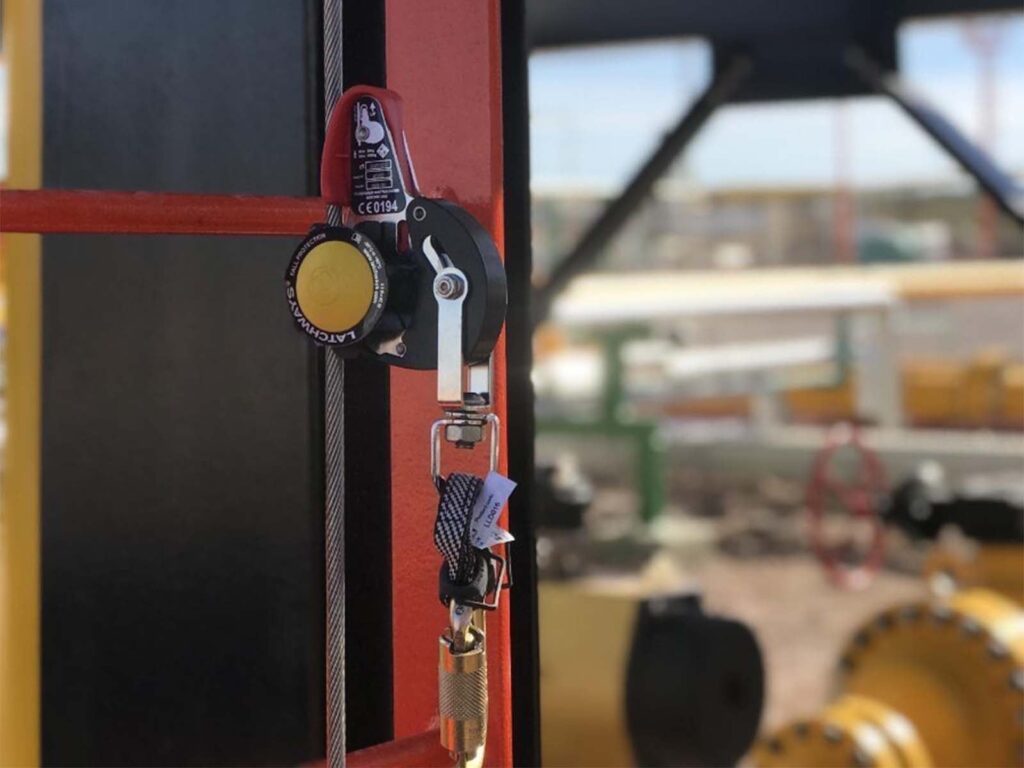
A Vertical Lifeline Singapore system is a specialised fall protection solution designed to safeguard workers while travelling up or down a vertical structure. Unlike systems intended for horizontal movement, a vertical lifeline allows continuous attachment during climbing activities. The lifeline is typically installed alongside fixed ladders, towers, or elevated access routes where falls could result in severe injuries. Workers connect their full body harness to the lifeline using a guided fall arrester or rope grab that moves freely during normal movement. If a sudden fall occurs, the device locks onto the lifeline and helps arrest the fall within the system’s designed limits. This continuous connection reduces the need for repeated clipping and unclipping, making vertical movement both safer and more efficient. Permanent and temporary versions are available depending on the nature and frequency of the work being performed.
Where Vertical Lifelines Are Used in Singapore
Vertical lifeline systems are widely used across Singapore because many industries require regular access to elevated structures. Construction workers frequently climb scaffold access ladders and temporary structures during building projects. Industrial maintenance teams rely on vertical fall protection systems when inspecting silos, tanks, chimneys, and processing equipment. Telecommunications engineers use vertical lifelines while servicing antennas and communication towers that require repeated climbing. Building maintenance personnel also depend on these systems when accessing rooftop equipment, lift motor rooms, and façade maintenance areas. Utility providers utilise vertical safety solutions on lighting poles, water infrastructure, and energy facilities where fixed ladders are common. Even commercial buildings benefit from permanent fall protection Singapore installations that protect technicians performing scheduled inspections throughout the year.
How a Vertical Lifeline Works
The operation of a vertical lifeline is based on maintaining uninterrupted protection while a worker moves vertically. Before climbing, the worker wears a correctly fitted full body harness that serves as the primary body support during fall arrest. A guided fall arrester attaches the harness to the vertical cable lifeline or synthetic rope lifeline depending on the system design. As the worker climbs, the device glides smoothly along the lifeline without requiring manual adjustment. The mechanism is engineered to respond instantly to sudden downward acceleration caused by a fall. Once activated, the arrester locks onto the lifeline and helps stop the descent according to its performance specifications. This simple yet highly effective process allows workers to concentrate on climbing while remaining continuously connected to the fall protection system.
Main Components of a Vertical Lifeline System
Every vertical lifeline consists of several interconnected components that must function together as a complete system. The lifeline itself may be manufactured from galvanised or stainless steel wire rope for permanent installations or high-strength synthetic rope for temporary applications. At the top of the structure, a certified lifeline anchor point provides the primary structural connection capable of supporting the required loads. Intermediate supports may be installed on taller structures to maintain correct alignment and minimise excessive movement of the cable. The guided fall arrester travels along the lifeline and automatically locks during a fall, making it one of the most important safety devices within the system. Connectors, energy absorbers, and compatible harness attachment points ensure the worker remains securely linked to the lifeline throughout the climb. Selecting compatible components from the same system is essential because mixing equipment from different manufacturers may affect overall performance and safety certification.
Vertical Lifeline vs Other Fall Protection Systems
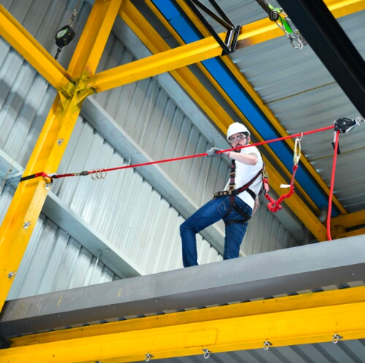
Choosing the correct fall protection equipment begins with understanding the differences between available systems. A Vertical Lifeline Singapore solution is specifically intended for climbing applications where movement occurs primarily upward and downward. By comparison, a horizontal lifeline is designed for workers travelling across rooftops, walkways, or elevated platforms where lateral movement is required. Self retracting lifelines offer excellent mobility in many situations, but they serve different operational purposes and may not replace fixed vertical climbing systems. Ladder safety rails provide another alternative, particularly on permanent industrial structures where rigid rail technology is preferred over flexible cable systems. The appropriate choice depends on the access method, structural design, working height, environmental exposure, and frequency of use rather than personal preference alone. Conducting a thorough risk assessment helps determine which fall arrest system Singapore solution best matches the hazards present at each workplace.
Benefits of Installing a Vertical Lifeline in Singapore
Installing a professionally designed vertical lifeline delivers significant safety and operational advantages for organisations working at height. Continuous attachment reduces the likelihood of workers disconnecting while transitioning between climbing positions, which is a common cause of exposure to fall hazards. Permanent systems improve efficiency because maintenance personnel can access elevated equipment more quickly without installing temporary protection each time. A reliable vertical safety lifeline also supports safer inspections, cleaning, servicing, and repair activities across multiple industries. Employers benefit from improved compliance with workplace safety procedures by integrating engineered fall protection into the building or facility design. Workers often gain greater confidence when climbing because they know they remain continuously connected throughout the task. Ultimately, investing in suitable work at height equipment contributes to a stronger safety culture and reduces unnecessary exposure to preventable risks.
Choosing the Right Vertical Lifeline Singapore Solution
Selecting the ideal vertical lifeline requires far more than purchasing equipment from a catalogue. Every structure presents different hazards, dimensions, environmental conditions, and access requirements that influence system design. A comprehensive site assessment should evaluate ladder height, structural strength, anchorage locations, frequency of use, and the number of workers who will access the system simultaneously. Coastal facilities in Singapore may require corrosion-resistant materials such as stainless steel because humid and marine environments accelerate deterioration. Industrial plants may prioritise durable wire rope systems capable of withstanding demanding operating conditions, while temporary construction sites may favour synthetic rope solutions for flexibility. Compatibility between the guided fall arrester, harness, connectors, and anchor points must always be verified before installation. Working with experienced fall protection equipment Singapore specialists helps ensure the selected system meets operational requirements while supporting long-term reliability and worker safety.
Vertical Lifeline Installation Considerations
Proper installation forms the foundation of every effective vertical fall protection system. Before any equipment is mounted, the supporting structure should be assessed to confirm it can withstand the loads generated during fall arrest. Engineers or competent persons typically determine suitable anchorage positions that maximise worker protection while maintaining correct cable alignment. The vertical cable lifeline must be tensioned according to manufacturer specifications because excessive slack or over-tensioning can affect system performance. Installers should also protect the lifeline from sharp edges, abrasive surfaces, and potential corrosion points that may reduce its service life. Detailed installation records, equipment identification, inspection schedules, and maintenance documentation should be retained for future reference throughout the system’s lifespan. A carefully installed Vertical Lifeline Singapore solution provides dependable performance only when every component is positioned, secured, and documented correctly.
Safety Standards and Work-at-Height Requirements in Singapore
Singapore places significant emphasis on workplace safety, particularly for activities involving elevated work. Employers are responsible for identifying fall hazards through structured risk assessments before workers begin climbing or maintenance operations. Safe work procedures should clearly explain how the vertical lifeline system will be used, inspected, and maintained throughout each task. Worker competency is equally important because even high-quality equipment cannot compensate for incorrect usage or poor decision-making. Training programmes should cover harness fitting, equipment inspection, connecting procedures, emergency response, and hazard recognition specific to vertical access. Organisations should also ensure their fall protection Singapore equipment is suitable for the intended application and used according to manufacturer instructions alongside relevant workplace safety requirements. A well-managed safety programme combines engineering controls, administrative procedures, competent supervision, and ongoing worker education to minimise fall-related risks.
Inspection and Maintenance of Vertical Lifelines
Routine inspection is one of the most important responsibilities associated with any Vertical Lifeline Singapore installation. Workers should visually inspect the lifeline before every use, checking for corrosion, broken wires, frayed rope fibres, loose fittings, damaged connectors, and signs of unusual wear. Guided fall arresters must move smoothly during climbing and lock correctly when tested according to manufacturer recommendations. Scheduled inspections performed by competent personnel provide a more detailed assessment of anchors, cable tension, hardware integrity, and overall system condition. Environmental exposure should also influence maintenance frequency because humidity, chemicals, dust, and marine conditions can accelerate component deterioration. Equipment that has experienced a fall arrest event should be removed from service until it has been professionally evaluated and approved for continued use. Consistent inspection and preventative maintenance extend equipment lifespan while ensuring workers continue receiving dependable vertical access safety protection.
Training Workers to Use Vertical Lifeline Systems
Providing sophisticated equipment without adequate training leaves significant gaps in workplace safety. Every worker should understand how to inspect their full body harness, recognise damaged components, and correctly attach the guided fall arrester before climbing begins. Practical training allows employees to experience real climbing movements while learning how the device behaves during ascending and descending activities. Workers should also practise maintaining three points of contact where appropriate while integrating the lifeline into safe climbing techniques. Supervisors benefit from additional instruction covering equipment compatibility, inspection documentation, hazard identification, and emergency coordination during elevated work. Refresher training becomes especially valuable whenever new equipment, revised procedures, or different workplace environments are introduced. A knowledgeable workforce is one of the strongest defences against preventable accidents involving work at height safety Singapore operations.
Rescue Planning for Vertical Lifeline Users
An effective rescue plan is essential whenever workers rely on vertical fall protection systems. Although the primary objective is preventing falls, organisations must prepare for the possibility that a worker could become suspended after a fall arrest event. Suspension for prolonged periods may create additional medical risks, making timely rescue extremely important. Rescue planning should identify available equipment, trained responders, communication methods, access routes, and emergency responsibilities before work begins. Different structures require different rescue strategies because tower access, rooftop ladders, confined spaces, and industrial plants each present unique challenges. Regular drills help workers and supervisors become familiar with rescue procedures while identifying opportunities for improvement. Integrating rescue preparedness into every fall arrest system Singapore project strengthens overall emergency readiness and supports better outcomes during unexpected incidents.
Common Mistakes to Avoid When Using Vertical Lifelines
Many fall-related incidents occur because of avoidable errors rather than equipment failure. One common mistake involves installing a lifeline on a structure that has not been properly assessed for load capacity or suitability. Another frequent issue is mixing connectors, harnesses, and rope grab fall protection devices from incompatible systems, which may affect safe operation. Workers sometimes overlook pre-use inspections, allowing damaged cables or worn hardware to remain in service longer than they should. Incorrect harness adjustment can also reduce the effectiveness of fall arrest equipment during an emergency. Ignoring manufacturer instructions, bypassing safety procedures, or climbing while disconnected exposes workers to unnecessary hazards regardless of equipment quality. Eliminating these preventable mistakes requires strong supervision, consistent training, routine inspections, and a workplace culture that prioritises safe behaviour above convenience.
Why Professional Vertical Lifeline Solutions Matter
Professional expertise plays a vital role in designing reliable Vertical Lifeline Singapore systems for complex structures. Experienced specialists evaluate access routes, anchorage locations, structural conditions, environmental exposure, and operational requirements before recommending suitable equipment. Their knowledge helps organisations avoid costly installation errors that may compromise worker safety or reduce long-term system performance. Professional installers also ensure components remain compatible, correctly tensioned, and securely connected according to manufacturer specifications. Beyond installation, many organisations benefit from ongoing inspection services, maintenance planning, equipment audits, and worker training programmes that support continuous compliance. Investing in professional guidance protects both personnel and infrastructure by creating a dependable fall protection strategy tailored to the workplace. The result is a safer environment where vertical access can be performed with greater confidence and consistency.
Practical Project Example: Installing a Vertical Lifeline on an Industrial Facility
An industrial manufacturing facility required regular access to rooftop ventilation equipment located more than twenty metres above ground level. Maintenance technicians previously relied on temporary climbing methods that increased setup time and created inconsistent protection during routine servicing. Following a detailed site assessment, engineers identified the fixed ladder as the safest location for a permanent Vertical Lifeline Singapore installation. A stainless steel vertical cable lifeline, certified anchor system, and compatible guided fall arrester were selected to withstand Singapore’s humid operating environment. Workers completed practical training covering harness inspection, climbing procedures, emergency communication, and rescue preparation before the system entered service. Scheduled inspections were incorporated into the facility’s preventative maintenance programme to ensure ongoing equipment reliability throughout the year. The completed project improved access efficiency, strengthened worker confidence, and provided continuous fall protection for every authorised maintenance technician.
What Clients Value About Professionally Installed Systems
“Our maintenance team now accesses rooftop equipment with far greater confidence because the climbing process feels both secure and efficient. The training helped every technician understand the correct use of the vertical lifeline system, and the practical demonstrations made a noticeable difference during daily operations. Regular inspections and clear documentation have also simplified our internal safety management procedures. Having a permanent solution has reduced the time needed to prepare for routine maintenance while improving consistency across different work crews. We particularly appreciate the compatibility of the harnesses, guided fall arresters, and anchor system because everything functions as one complete safety solution. The installation has become an important part of our broader work-at-height programme rather than simply another piece of equipment. Most importantly, our organisation has strengthened its commitment to protecting everyone who performs vertical access work.”
Frequently Asked Questions
What is the difference between a vertical lifeline and a horizontal lifeline?
A vertical lifeline is designed for climbing activities where movement occurs upward and downward along ladders, towers, or similar structures. A horizontal lifeline supports workers travelling sideways across roofs, walkways, or elevated platforms. Each system addresses different movement patterns and fall hazards. Choosing the correct solution depends on the work environment and access method rather than convenience. Both systems require compatible personal protective equipment and suitable anchor points. Risk assessments should determine which design is appropriate for each workplace. Using the wrong type of lifeline may reduce the effectiveness of fall protection.
Can a vertical lifeline be installed permanently?
Yes, permanent Vertical Lifeline Singapore systems are commonly installed on fixed ladders, industrial facilities, telecommunications towers, and commercial buildings. Permanent installations provide continuous access for maintenance teams throughout the life of the structure. They are particularly valuable where elevated inspections occur regularly. Proper engineering assessment is essential before installation begins. Ongoing inspections and maintenance remain necessary even after commissioning. Permanent systems should always follow manufacturer requirements and workplace safety procedures.
Who should inspect a vertical lifeline system?
Workers should perform a visual inspection before every use to identify obvious signs of damage or wear. More detailed inspections should be carried out by competent personnel according to the manufacturer’s maintenance schedule. Inspection records help demonstrate consistent equipment management and support preventative maintenance planning. Components exposed to harsh environments may require more frequent assessment. Any equipment involved in a fall arrest incident should be removed from service immediately. Professional evaluation determines whether repair or replacement is required. Regular inspections are essential for maintaining reliable fall protection.
Is worker training necessary even with a permanent system?
Absolutely, because equipment alone cannot eliminate fall hazards. Workers need practical instruction covering harness fitting, guided fall arrester operation, climbing techniques, equipment inspection, and emergency procedures. Supervisors also benefit from training focused on documentation and hazard management. Refresher sessions reinforce safe behaviour and address procedural changes over time. Practical exercises improve confidence during real work situations. Well-trained personnel are more likely to identify hazards before incidents occur. Competency remains a key element of every successful work at height safety Singapore programme.
Building a Safer Approach to Vertical Work at Height
Creating safer workplaces begins with recognising that every vertical access route presents unique risks requiring thoughtful planning and appropriate protection. A well-designed Vertical Lifeline Singapore system provides continuous attachment during climbing, but it works best when combined with competent workers, robust inspection programmes, and carefully planned rescue procedures. Organisations should regularly review ladders, towers, rooftops, and industrial structures to identify opportunities for improving vertical access safety across their facilities. Investing in compatible fall protection equipment Singapore solutions also helps reduce operational risks while supporting more efficient maintenance activities. Preventative maintenance, documented inspections, and refresher training ensure the system continues performing reliably throughout its service life. Strong leadership and consistent safety practices encourage workers to follow procedures and report hazards before accidents occur. By treating vertical fall protection as an ongoing commitment rather than a one-time installation, businesses can better protect their workforce while supporting safer operations across Singapore’s diverse industries.