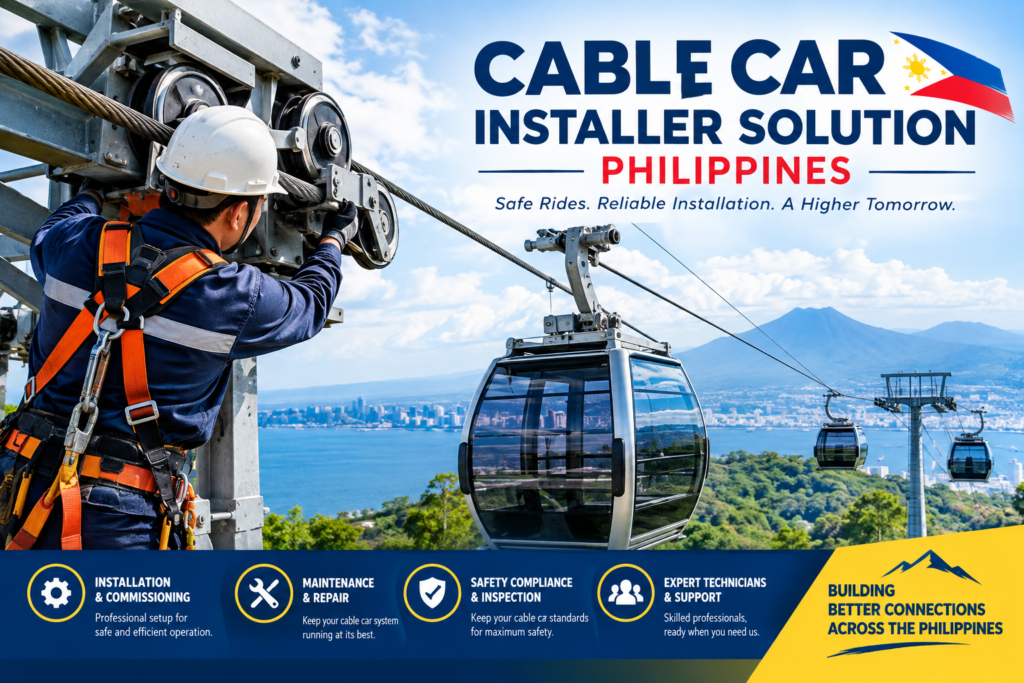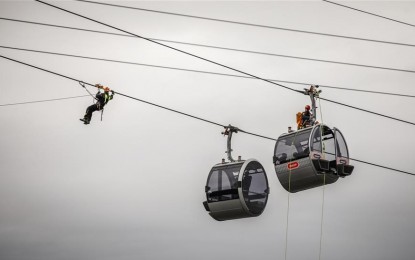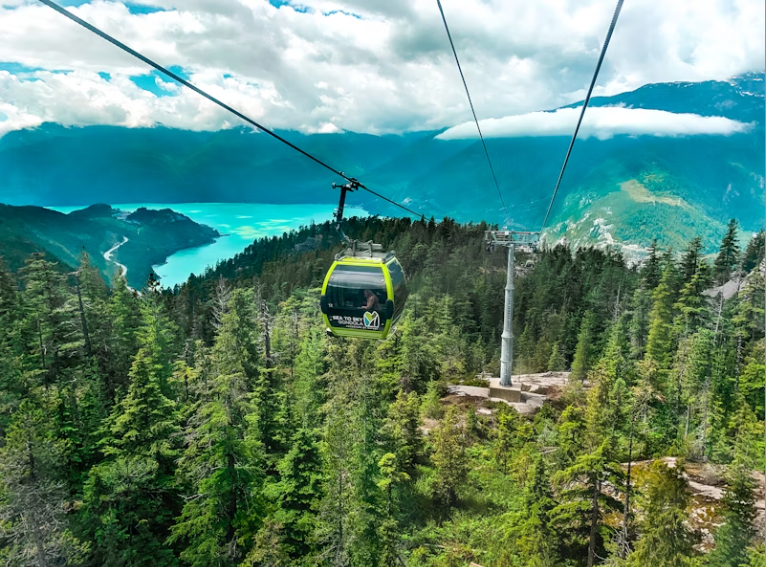
Cable car systems can provide practical transportation across steep terrain while also creating distinctive experiences for tourism, resort, recreation, and specialized infrastructure projects. In the Philippines, where mountainous landscapes, elevated destinations, and tourism developments can present challenging access conditions, a properly planned ropeway system may offer an alternative to conventional transportation routes. However, installing a cable car is a highly technical undertaking that involves structural engineering, mechanical equipment, electrical systems, passenger facilities, safety controls, testing, and long-term maintenance. A reliable cable car installer solution Philippines provider therefore needs to approach each project as an integrated system rather than simply supplying cabins and cables. Philippine regulations and engineering requirements also need to be considered according to the specific project and equipment involved. For example, Philippine electrical law requires covered electrical installations to be designed, supervised, and executed under appropriate professional responsibility and applicable codes. A successful project starts with careful planning that connects the proposed route, terrain, passenger requirements, engineering design, installation process, and operating objectives.
Understanding a Cable Car Installation Solution
A cable car installation solution involves much more than placing a passenger cabin on a suspended cable. The complete system can include supporting towers, ropes, drive machinery, tensioning equipment, passenger cabins, terminal stations, electrical controls, communication systems, braking equipment, and emergency provisions. Each component has to function together according to the requirements established during engineering and system design. The route itself must be assessed because terrain, elevation changes, foundations, access limitations, weather exposure, and surrounding structures can influence the final configuration. The intended number of passengers and operating frequency can also affect cabin capacity, ropeway configuration, station layout, and mechanical requirements. A professional cable car installer solution Philippines provider should therefore begin by understanding the project instead of immediately proposing equipment. The Philippines has historical precedent for aerial ropeway legislation, including Republic Act No. 5045, which authorized an aerial ropeway cable car service for Tagaytay, demonstrating that cableway concepts have long been part of Philippine infrastructure discussions.
Site Assessment and Project Planning
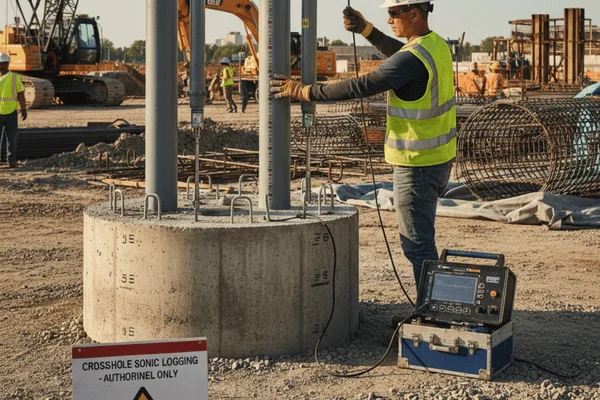
Site assessment is one of the most important stages of a cable car project because the physical characteristics of the location directly influence system design. Engineers need to understand the proposed route, elevation profile, ground conditions, potential tower positions, station locations, access roads, construction areas, and surrounding structures. Weather exposure should also receive attention, particularly when a system will operate in areas subject to strong winds, heavy rainfall, or other challenging environmental conditions. A detailed assessment can help identify potential construction obstacles before equipment is ordered or major civil works begin. Foundation requirements are another important consideration because towers and terminal structures need appropriate structural support for their intended loads. Project documentation should clearly communicate design assumptions, equipment requirements, installation procedures, and testing expectations. Philippine engineering documents commonly emphasize approved plans, manufacturer information, installation procedures, testing documentation, and engineering analysis for specialized cable-related construction work, reinforcing the importance of structured technical preparation.
Major Components of a Cable Car System
A cable car system consists of numerous interconnected components that determine how passengers are transported along the planned route. Supporting towers maintain the cable at appropriate positions and help establish the required route geometry between terminals. Ropes provide the primary transportation pathway and must be selected according to the system’s engineering requirements, loads, span conditions, and operating characteristics. Drive machinery supplies the force required to move the system, while braking equipment provides controlled stopping and contributes to operational safety. Tensioning equipment helps maintain appropriate rope conditions as the system operates under changing loads and environmental conditions. Passenger cabins need to be designed around capacity, passenger movement, access, doors, restraints, ventilation, communication, and other operational considerations. Terminal stations also play an important role because they provide areas for passenger loading and unloading while housing important mechanical, electrical, control, and maintenance equipment.
The Importance of Professional Engineering
Professional engineering is essential because cable car systems combine structural, mechanical, electrical, and transportation requirements into one operating installation. The supporting structures need to accommodate anticipated loads while maintaining the intended cable alignment. Mechanical equipment needs to work with the ropes, cabins, braking systems, drive components, and control systems without creating conflicts between individual components. Electrical equipment must be properly designed and installed, particularly where motors, control systems, sensors, communications, emergency equipment, and power supplies are involved. Philippine law establishes professional responsibilities for electrical plans, specifications, installations, and supervision where the requirements of the law apply. Engineering documentation should also be maintained throughout the project so that changes made during construction are properly reviewed and recorded. Choosing a cable car installer solution Philippines provider with appropriate technical capabilities can help project owners coordinate these different disciplines instead of treating every component as an isolated installation.
Cable Car Safety Features
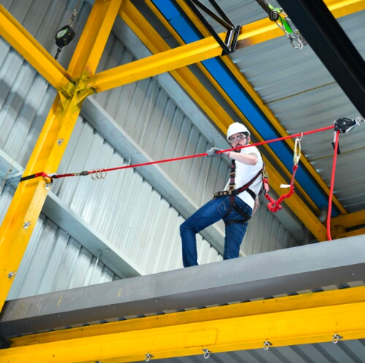
Safety should be incorporated into the cable car system from the planning stage rather than treated as an additional feature after installation. Depending on the system design, important provisions may include braking systems, emergency stops, speed monitoring, communication equipment, rope monitoring, passenger restraints, station controls, and evacuation provisions. The specific safety equipment required will depend on the ropeway configuration, passenger capacity, route, operating conditions, applicable standards, and regulatory requirements. Emergency planning is particularly important because passengers may need to be safely managed during unusual operating conditions or equipment interruptions. Maintenance personnel should also have safe access to components that require regular inspection and servicing. Philippine safety regulations and engineering requirements can apply to different parts of a project depending on their nature, so the applicable authorities and requirements should be identified during project planning. The Department of Public Works and Highways, for example, includes detailed requirements for installation procedures, manufacturer recommendations, testing, calibration, and construction documentation in specialized cable-related work.
The Cable Car Installation Process
A professional cable car installation normally begins with a consultation that establishes the project’s purpose, passenger requirements, route, operating conditions, and site limitations. The next stage involves site inspection and technical assessment, where the proposed route, terrain, station locations, structural requirements, and construction access are evaluated. Engineers can then develop the system design, including route alignment, tower positions, equipment specifications, foundation requirements, mechanical systems, electrical controls, and safety provisions. Civil and structural construction can proceed once the necessary engineering documentation and project requirements have been established. Mechanical and electrical teams then install the relevant equipment, controls, drive machinery, stations, cabins, and supporting systems. Cable installation and tensioning require careful procedures because the ropes must be positioned and adjusted according to the approved design and manufacturer’s requirements. Before passenger operation begins, the completed system should undergo appropriate inspection, testing, commissioning, and documentation so that its functions can be evaluated under controlled conditions.
Choosing a Cable Car Installer Solution Philippines Provider
Selecting an installer should involve more than comparing equipment prices. Project owners should examine whether the provider understands ropeway engineering, site assessment, mechanical installation, electrical integration, testing, commissioning, and maintenance. Experience with projects involving challenging terrain can also be valuable because construction conditions can vary considerably from one location to another. Prospective clients should ask what engineering documentation will be provided and which professionals will be responsible for design and supervision. They should also ask how the installer approaches safety testing, emergency provisions, equipment inspection, and commissioning. Manufacturer specifications and installation instructions should be incorporated into the work where applicable, rather than treating them as optional references. A provider capable of coordinating the entire system can also make communication easier between the project owner, engineers, contractors, equipment suppliers, and regulatory authorities. The goal is to identify a technical partner that can develop an installation around the project’s actual requirements rather than simply offering a standard package.
Applications for Cable Car Systems in the Philippines
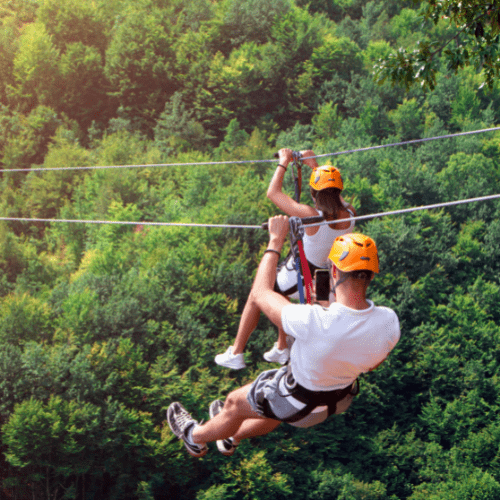
Cable car systems can have a range of potential applications depending on the location and project objectives. Tourism developments may use aerial transportation to connect different elevations while providing passengers with views of surrounding landscapes. Resorts can potentially use ropeway systems to connect accommodations, attractions, parking areas, or elevated facilities where conventional road access is difficult. Theme parks and recreational destinations can incorporate cable cars as transportation systems while also making the journey part of the visitor experience. Specialized developments may also consider cableway transportation where terrain creates challenges for conventional infrastructure. The suitability of a cable car depends on factors such as passenger demand, route geometry, site conditions, operating requirements, construction feasibility, and applicable regulations. Historical Philippine legislation concerning an aerial ropeway service in Tagaytay illustrates that aerial cable transportation has previously been considered within a Philippine development context. A modern project, however, should undergo its own current technical, legal, environmental, and operational assessment rather than relying on historical examples.
Testing, Commissioning, and Quality Control
Testing and commissioning provide an important opportunity to verify that the installed system functions according to its approved design and operating requirements. Mechanical components can be checked for proper movement, alignment, braking response, and interaction with related equipment. Electrical and control systems can be examined to verify appropriate operation of controls, sensors, communication equipment, and protective functions. Passenger cabins and station equipment should also be inspected before regular service begins. Documentation is valuable during this phase because test results, inspection records, equipment information, and maintenance requirements can become part of the project’s permanent technical records. Philippine engineering specifications for specialized cable installations demonstrate the importance of manufacturer documentation, testing records, calibration information, fabrication procedures, and installation analysis. A professional cable car installer solution Philippines provider should therefore have a clear commissioning process rather than treating installation as complete as soon as the physical components are assembled.
Maintenance and Inspection After Installation
Cable car ownership does not end when construction and commissioning are finished. Regular inspection and preventive maintenance are essential for keeping mechanical, structural, electrical, and passenger-related components in appropriate operating condition. Maintenance programs may include inspection of ropes, sheaves, towers, cabins, drive machinery, brakes, electrical equipment, controls, station components, and other system elements. The frequency and scope of inspection should be established according to the equipment manufacturer’s instructions, engineering requirements, operating conditions, applicable standards, and regulatory obligations. Maintenance records should document inspections, repairs, replacements, testing activities, and identified defects. Personnel responsible for maintenance should also receive appropriate training for the equipment they handle. Philippine government technical guidance for cableway-related field equipment, for example, recognizes the need for servicing cableways and maintaining safe operating practices. A long-term maintenance program helps project owners manage the system as an ongoing transportation asset rather than viewing installation as a one-time construction activity.
Planning for Long-Term Cable Car Operations
Long-term planning should begin before the cable car becomes operational because future maintenance, inspections, component replacement, passenger management, and emergency procedures can affect the original design. Project owners should understand which components require periodic inspection and which parts may eventually need replacement. Spare parts availability should also be considered when selecting equipment, particularly for systems using specialized components. Operators need clear procedures for normal operation, temporary shutdowns, emergency situations, weather-related restrictions, and maintenance activities. Staff training is another important part of long-term operations because equipment is only one part of a safe transportation system. Proper documentation can help future maintenance teams understand the original configuration and any modifications made over time. By considering the full operating lifecycle, a cable car installer solution Philippines provider can help create a system that is easier to manage after installation and commissioning.
FAQ About Cable Car Installer Solution Philippines
What does a cable car installer solution Philippines provider do?
A cable car installer may support several stages of a ropeway project, including site assessment, system planning, equipment installation, mechanical integration, electrical work, testing, and commissioning. The exact scope depends on the provider and project contract. Some companies may focus primarily on installation, while others may offer engineering, equipment supply, commissioning, and maintenance support. Project owners should request a detailed scope of work before selecting a provider. This helps establish which party is responsible for design, civil works, equipment supply, installation, testing, documentation, and maintenance. The responsibilities of professional engineers and other qualified personnel should also be clearly established where Philippine laws require them. A detailed scope can make project coordination more straightforward.
How long does a cable car installation take?
There is no single installation period that applies to every cable car project. Project duration can depend on route length, number of stations, terrain, foundation requirements, equipment availability, weather, transportation logistics, civil construction, and required inspections. Complex sites can require significant preparation before mechanical installation begins. Equipment manufacturing and delivery may also influence the schedule. Testing and commissioning need to be incorporated into the project timeline rather than added at the last minute. The installer should provide a project schedule based on the actual site and system configuration. A realistic schedule should also allow time for engineering reviews and required approvals.
What information is needed to plan a cable car project?
Important information can include the proposed site, route length, elevation difference, passenger capacity, expected operating frequency, station locations, operating hours, and intended application. Site drawings, topographical information, access information, and existing infrastructure details can also be useful. The project owner should explain whether the system is intended for tourism, resort transportation, public transportation, recreation, or another purpose. Environmental and site-specific conditions should also be identified. The installer and engineering team can use this information to determine what additional surveys and technical studies are required. More complete project information generally allows the technical team to develop a more appropriate preliminary design.
Does a cable car system require regular maintenance?
Yes, cable car systems require ongoing inspection and maintenance. Ropes, mechanical equipment, structural components, cabins, braking systems, electrical controls, and station equipment can all require periodic attention. Maintenance requirements vary according to the specific equipment and operating environment. Manufacturer instructions should be incorporated into the maintenance program. Operators should also keep records of inspections, repairs, tests, and component replacements. Regular maintenance can help identify issues before they develop into larger operational problems. A qualified technical team can help establish an appropriate maintenance program for the installed system.
Can a cable car system be customized for a specific site?
Cable car systems can be planned around different site conditions and project requirements, although the degree of customization depends on the equipment and system configuration. Route length, elevation, passenger capacity, station arrangement, terrain, operating conditions, and available infrastructure can all influence system design. A site-specific assessment should take place before the final equipment configuration is selected. Engineering calculations and structural requirements also need to support the proposed design. Customization should not mean removing established safety or engineering requirements. Instead, it should mean selecting and integrating suitable components for the actual project conditions.
Takeaway
A cable car project requires careful coordination from the first site assessment through engineering, construction, installation, testing, commissioning, and long-term maintenance. The ropes, towers, cabins, drive systems, stations, electrical controls, and safety equipment must operate as one integrated transportation system. Site conditions are particularly important because Philippine terrain, weather, accessibility, and development requirements can vary considerably between locations. Professional engineering and appropriate technical supervision should be incorporated into the project wherever required by applicable Philippine laws and regulations. Project owners should also evaluate an installer based on technical capabilities, documentation, installation procedures, testing processes, and after-sales support rather than equipment price alone. Working with an experienced cable car installer solution Philippines provider can help bring these technical requirements together into a coordinated project plan. With appropriate planning, engineering, installation, commissioning, and maintenance, cable car systems can be developed for demanding transportation and tourism environments while addressing the specific requirements of the site and its intended users.