Understanding a Self-Retracting Lanyard
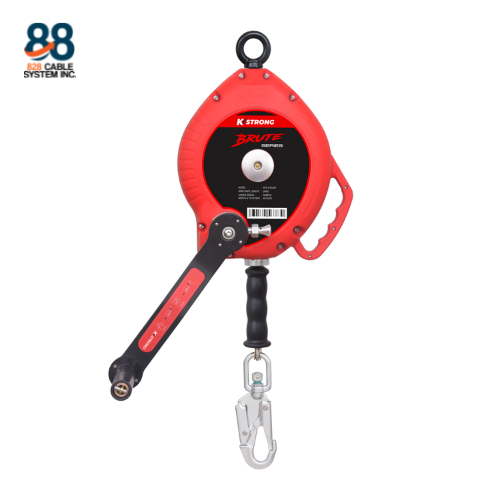
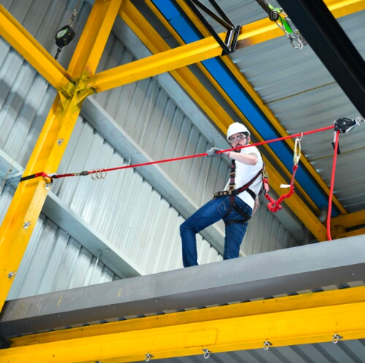
A self-retracting lanyard is a type of personal fall protection equipment designed to help protect workers who perform tasks at elevated locations. It features a lifeline that extends and retracts automatically as the worker moves away from or toward the anchorage point. This movement allows workers to perform tasks with greater freedom while keeping unnecessary slack in the line to a minimum. When a sudden fall occurs, the internal mechanism is designed to detect rapid movement and activate a braking system. Depending on the equipment design, the device may also incorporate energy-absorbing components to help manage forces generated during a fall. Unlike a conventional fixed-length lanyard, an SRL continuously adjusts its lifeline length according to the worker’s movement. For companies searching for a self-retracting lanyard Philippines solution, understanding how the equipment works is an important starting point for making an informed selection.
Why Self-Retracting Lanyards Matter for Work at Height in the Philippines
Work-at-height activities can expose employees to serious fall hazards, making appropriate fall protection planning essential. Construction sites, industrial facilities, commercial buildings, warehouses, and maintenance locations may all involve elevated work areas. Workers may need to move around platforms, roofs, structural components, ladders, or other elevated surfaces while carrying out their assigned tasks. A self-retracting lanyard can provide mobility while helping maintain a connection between the worker and an appropriate anchorage system. The automatic retraction feature can also reduce the amount of loose lifeline that could otherwise interfere with movement. However, an SRL should never be viewed as a complete fall protection program by itself. Employers should consider equipment selection, anchorage, training, inspection, rescue planning, and workplace conditions together when establishing a safe work-at-height system.
How a Self-Retracting Lanyard Works
A self-retracting lanyard uses an internal spool or similar mechanism that allows its lifeline to extend as the worker moves. As the worker moves closer to the anchorage point, the lifeline retracts into the housing. This automatic movement helps maintain controlled tension without requiring the worker to manually adjust the line. If the lifeline suddenly accelerates because of a fall, the braking mechanism is designed to engage rapidly. The braking action helps limit the distance and speed associated with the fall, subject to the specific design and limitations of the equipment. Some SRLs also include energy absorption technology that helps manage forces within the fall arrest system. Because designs vary between products, workers should always follow the manufacturer’s instructions regarding operation, installation, limitations, and inspection.
Key Features to Look for in a Self-Retracting Lanyard Philippines
Selecting a self-retracting lanyard should involve more than comparing prices or choosing the most compact-looking product. Lifeline length is one important factor because workers need enough reach to perform their tasks without creating an unsuitable configuration. The lifeline material should also be appropriate for the environment and application in which the equipment will be used. Durable housings, reliable connectors, locking mechanisms, and suitable energy absorption features can contribute to the overall functionality of the fall protection system. Some models include swivel connections that can help reduce twisting as the worker moves around an anchorage point. Inspection indicators may also make it easier for trained personnel to identify equipment that requires closer evaluation. When evaluating a self-retracting lanyard Philippines option, buyers should review the manufacturer’s specifications, limitations, compatibility requirements, and applicable standards before making a purchase.
Types of Self-Retracting Lanyards
Self-retracting lanyards are available in different configurations to accommodate different work environments and fall protection requirements. Cable-based SRLs commonly use a durable wire rope lifeline and may be designed for demanding industrial applications. Webbing SRLs use synthetic webbing and are often valued for their compact construction and ease of handling. Single-leg models generally provide one connection between the worker and the SRL system. Twin-leg configurations can provide two connecting legs and may be useful for certain work situations that require controlled transitions between connection points. The appropriate type depends on the work activity, anchorage arrangement, required mobility, and manufacturer specifications. Workers should not assume that one type of SRL can automatically replace another because equipment designs can have different limitations and approved applications.
Applications of Self-Retracting Lanyards in Philippine Workplaces
Self-retracting lanyards can be used in a range of work-at-height environments when the equipment is suitable for the specific application. Construction workers may use fall protection systems while performing tasks on elevated structures, platforms, or other approved work areas. Building maintenance personnel may require fall protection when inspecting or maintaining elevated components. Industrial facilities can also involve elevated maintenance activities around equipment, platforms, and structural systems. Roofing and inspection work may present additional challenges because workers often need to move across relatively large areas while remaining protected. Telecommunications and infrastructure projects can involve specialized height-related tasks that require carefully planned fall protection systems. In every application, the SRL must be selected, installed, and used according to its intended purpose and the manufacturer’s requirements.
Choosing the Right Self-Retracting Lanyard in the Philippines
Choosing the right SRL begins with understanding exactly where and how the equipment will be used. Start by identifying the worker’s normal range of movement and determining how much lifeline is required for the task. The location and type of anchorage should also be evaluated because an SRL’s performance depends on how it is integrated into the overall fall protection system. Environmental conditions should receive careful attention, especially when workers may encounter moisture, dust, chemicals, heat, corrosive substances, or abrasive surfaces. The equipment’s weight can also matter when workers must carry or reposition the device throughout a work shift. Buyers should verify product specifications, connection requirements, fall clearance information, and any restrictions associated with the selected model. A qualified safety professional or trained person can help evaluate the application when the appropriate configuration is uncertain.
Understanding Fall Clearance When Using an SRL
Fall clearance is one of the most important factors to evaluate before using a self-retracting lanyard. The amount of open space beneath a worker can determine whether the fall protection system has enough room to function as intended. Required clearance may depend on several factors, including the SRL design, lifeline deployment, anchorage position, worker height, harness characteristics, and possible system movement. Obstructions below the work area can create additional hazards if sufficient clearance is not available. A worker should never assume that a short SRL automatically means that very little clearance is required. The manufacturer’s instructions should be consulted for specific clearance requirements and limitations. Proper planning should also account for surrounding structures and other potential hazards that could be encountered during a fall.
Proper Use of a Self-Retracting Lanyard
Proper use begins with inspecting the SRL and associated components before the equipment is placed into service. Workers should confirm that connectors are properly secured and that the equipment is being attached to the appropriate connection points. The anchorage should be suitable for the intended fall protection configuration and should meet applicable requirements. The lifeline should be positioned and used according to the manufacturer’s instructions to avoid creating an unsafe configuration. Workers should also avoid exposing the lifeline to sharp edges, abrasive surfaces, chemicals, or other hazards unless the specific equipment is designed and approved for those conditions. Modifying an SRL, replacing components with incompatible parts, or bypassing safety mechanisms can compromise the system. Proper training is therefore essential so workers understand not only how to wear and connect the equipment but also its operating limitations.
Inspecting a Self-Retracting Lanyard Before Use
Regular inspection is essential for identifying conditions that could affect the performance of fall protection equipment. Workers should visually examine the lifeline for cuts, fraying, broken fibers, corrosion, deformation, contamination, or other signs of damage. Hooks and connectors should also be checked to make sure their gates, locking mechanisms, and connection points operate properly. The housing should be examined for cracks, impact damage, loose components, or other abnormalities. Workers should verify that the lifeline extends and retracts smoothly without unusual resistance or malfunction. Any approved function checks should be performed according to the manufacturer’s instructions rather than through improvised testing methods. If an SRL has visible damage, has been subjected to unusual loading, or has been involved in a fall, it should be removed from service and handled according to the manufacturer’s evaluation procedures.
Maintenance and Storage Practices
Proper maintenance can help preserve the condition and functionality of a self-retracting lanyard throughout its service period. Equipment should be cleaned according to the manufacturer’s recommendations and should not be exposed to cleaning methods that could damage its components. After exposure to moisture or other environmental conditions, the equipment should be handled according to the manufacturer’s drying and maintenance instructions. SRLs should generally be stored in an area that protects them from unnecessary heat, moisture, chemicals, crushing, and mechanical damage. They should not be left where vehicles, tools, or other equipment could strike or compress the housing or lifeline. Repairs should only be performed through authorized or manufacturer-approved procedures and components. Employers can also maintain inspection and service records as part of their workplace equipment management practices.
Common Mistakes to Avoid When Using an SRL
One common mistake is selecting an SRL primarily because it has a lower purchase price without considering whether it is appropriate for the actual work environment. Another mistake is failing to verify the compatibility between the SRL, harness, anchorage, connectors, and other components. Workers may also overlook fall clearance requirements and focus only on whether they can physically reach the work area. Skipping pre-use inspections can allow damaged equipment to remain in service when it should receive further evaluation. Using an SRL outside its approved application can also create unnecessary risks, especially when edge exposure, unusual anchorage positions, or challenging environmental conditions are involved. Unauthorized modifications can interfere with the internal mechanism and may invalidate manufacturer specifications or approvals. Avoiding these mistakes requires proper training, careful equipment selection, routine inspection, and adherence to established workplace procedures.
Training and Worker Awareness
Training is an important part of any workplace program involving fall protection equipment. Workers should understand how to inspect, connect, adjust, and use their equipment before performing tasks at height. Training should also address anchorage selection, fall clearance, equipment limitations, and potential workplace hazards. Employees should understand that an SRL does not eliminate every risk associated with working at height. Practical training can help workers recognize incorrect configurations and understand how their equipment behaves during normal movement. Employers should also provide appropriate information about emergency procedures and rescue planning because a worker who experiences a fall may require prompt assistance. Regular refresher training can help reinforce correct practices when workers perform height-related tasks frequently or when equipment and procedures change.
Philippine Workplace Considerations for Self-Retracting Lanyards
Organizations purchasing fall protection equipment in the Philippines should consider the conditions in which the equipment will actually be used. Different workplaces can present different hazards, including extreme weather exposure, high temperatures, moisture, dust, chemicals, and abrasive surfaces. Employers should evaluate applicable Philippine occupational safety requirements and ensure that their fall protection procedures reflect current workplace obligations. Product documentation is also important because it can provide information about intended use, limitations, inspection, maintenance, and compatibility. Purchasing from a reputable supplier can make it easier to verify product specifications and obtain technical information. Employers should avoid relying solely on generic product descriptions when determining whether a particular SRL is appropriate. A site-specific hazard assessment can provide a stronger foundation for selecting equipment and establishing safe work procedures.
How to Evaluate a Self-Retracting Lanyard Supplier in the Philippines
The supplier you choose can be just as important as the product you purchase. A reputable supplier should be able to provide clear product information, manufacturer details, technical specifications, and applicable documentation. Buyers should ask questions about the equipment’s intended applications and limitations before placing an order. Availability of inspection guidance and technical support can also be useful when managing fall protection equipment over time. Warranty information and access to appropriate replacement components may also influence the long-term value of a product. Suppliers should be able to distinguish between different SRL configurations rather than recommending the same equipment for every situation. When comparing a self-retracting lanyard Philippines supplier, prioritize product suitability, documentation, technical support, and reliability instead of focusing only on the initial purchase price.
Self-Retracting Lanyard vs. Traditional Lanyard
A self-retracting lanyard and a traditional shock-absorbing lanyard can serve different purposes within a fall protection system. A conventional lanyard generally has a fixed or adjustable length, while an SRL automatically changes its effective lifeline length as the worker moves. This difference can provide an SRL user with greater mobility in certain applications while helping reduce unnecessary slack. Traditional lanyards may be appropriate for tasks where the worker’s movement and connection arrangement are already well defined. SRLs can be particularly useful when workers need to move within a designated work area while remaining connected to an appropriate anchorage. Both types of equipment still require correct anchorage, inspection, training, and consideration of fall clearance. The decision should therefore be based on the actual task, work environment, system configuration, and manufacturer’s requirements rather than assuming that one option is always better.
Frequently Asked Questions About Self-Retracting Lanyards in the Philippines
What is a self-retracting lanyard?
A self-retracting lanyard is a fall protection device with a lifeline that automatically extends and retracts as the worker moves. It is designed to provide controlled movement while maintaining a connection to an appropriate anchorage. The device can incorporate a braking mechanism that activates when rapid lifeline movement associated with a fall is detected. Its exact performance depends on the model and manufacturer specifications. Workers should always review the equipment documentation before using an SRL. Proper training is also necessary to understand its limitations.
How does a self-retracting lanyard stop a fall?
An SRL typically detects rapid movement of its lifeline when a fall occurs. Its internal braking mechanism then engages to help stop or limit the fall according to the equipment’s design. Some systems incorporate energy absorption features to help manage forces generated during the event. The exact mechanism differs between products, so users should not assume that all SRLs operate identically. Proper anchorage and system configuration are also essential for the equipment to perform as intended. Manufacturer instructions should always be followed for specific operating requirements.
Are self-retracting lanyards suitable for construction work?
Self-retracting lanyards can be suitable for certain construction applications when the selected equipment is specifically appropriate for the task. Construction environments can involve changing surfaces, edges, structures, and anchorage arrangements that require careful planning. Workers should evaluate the SRL’s approved applications, fall clearance requirements, environmental limitations, and anchorage configuration. Equipment designed for one application should not automatically be assumed to be suitable for another. A competent safety professional can help assess challenging work conditions. Proper training and inspection remain essential regardless of the application.
How long does a self-retracting lanyard last?
There is no universal service life that applies to every self-retracting lanyard. The usable period can depend on the manufacturer’s requirements, frequency of use, environmental exposure, maintenance, inspection results, and overall equipment condition. Some manufacturers provide specific service-life guidance or inspection criteria for their products. Equipment that shows damage or has experienced a significant event may need to be removed from service before its expected service period ends. Employers should maintain appropriate inspection practices throughout the equipment’s use. Always follow the manufacturer’s instructions when determining whether an SRL remains suitable for service.
How often should an SRL be inspected?
A self-retracting lanyard should receive a pre-use inspection before it is used. Additional periodic inspections may be required based on the manufacturer, workplace procedures, applicable standards, and environmental conditions. Inspections should cover the lifeline, housing, connectors, braking system, and other relevant components. More frequent evaluation may be appropriate when equipment is used heavily or exposed to demanding conditions. Workers should be trained to identify visible defects that require the equipment to be removed from service. The manufacturer’s inspection requirements should take priority when determining the appropriate inspection schedule.
Can an SRL be connected to any anchor point?
No, an SRL should not simply be attached to any convenient anchor point. The anchorage must be appropriate for the intended fall protection system and compatible with the equipment’s approved configuration. Its location can also affect fall clearance, swing hazards, and overall system performance. Workers should verify anchorage requirements before beginning work. Improvised attachment points can create serious hazards even when the SRL itself is in good condition. Always follow the manufacturer’s requirements and workplace fall protection procedures when selecting an anchorage.
What is the difference between an SRL and a shock-absorbing lanyard?
The primary difference is how the lifeline responds to worker movement. A traditional shock-absorbing lanyard generally has a fixed length, while an SRL automatically extends and retracts its lifeline. An SRL can therefore provide controlled mobility within its approved operating range. A shock-absorbing lanyard may be useful for applications where a fixed connection length is appropriate. Both systems have specific limitations and fall clearance considerations. The right choice depends on the task, anchorage arrangement, equipment specifications, and workplace conditions.
Can a self-retracting lanyard be used near an edge?
Some SRLs may be specifically designed and rated for certain edge-related applications, while others may not be suitable for such use. Edge exposure can introduce additional forces and hazards that require equipment specifically approved for the application. Workers should never assume that a standard SRL is automatically suitable for leading-edge work. The manufacturer’s instructions should identify whether edge applications are permitted and under what conditions. Anchorage position and fall clearance also require careful evaluation. When edge exposure is present, the complete fall protection system should be assessed rather than considering the SRL separately.
What should I do if an SRL has been involved in a fall?
An SRL that has arrested a fall should generally be removed from service and handled according to the manufacturer’s procedures. A fall can place significant loads on internal and external components that may not be visible during a basic visual inspection. Workers should not simply return the equipment to service because the housing or lifeline appears undamaged. The manufacturer or an authorized qualified service provider may need to evaluate the equipment. Employers should also review the incident and determine whether the fall protection system or work procedure needs adjustment. Replacement or recertification should follow the applicable manufacturer requirements.
Where can I find a reliable self-retracting lanyard in the Philippines?
When looking for a self-retracting lanyard Philippines supplier, begin by checking whether the seller provides complete product information and manufacturer documentation. Buyers should evaluate whether the equipment is appropriate for the intended work environment and fall protection configuration. It is also useful to ask about inspection guidance, warranty terms, technical support, and replacement options. A reliable supplier should be able to explain product limitations instead of simply recommending the most expensive model. Organizations should also verify that the equipment meets applicable requirements for their intended use. Taking these steps can help businesses make a more informed purchasing decision.
Takeaway
A self-retracting lanyard can be an important component of a properly planned fall protection system for workers performing tasks at height. Its automatic lifeline movement can provide useful mobility while helping manage slack during normal movement. However, the effectiveness of an SRL depends on much more than the device itself. Anchorage selection, fall clearance, equipment compatibility, inspection, maintenance, training, and workplace procedures all influence how the system performs. Businesses searching for a self-retracting lanyard Philippines solution should evaluate their actual work conditions before selecting a product. Choosing equipment based on specifications, manufacturer guidance, and application requirements is more reliable than choosing solely on price or appearance. With appropriate planning, training, inspection, and responsible use, organizations can build a more comprehensive approach to protecting workers who perform elevated tasks.