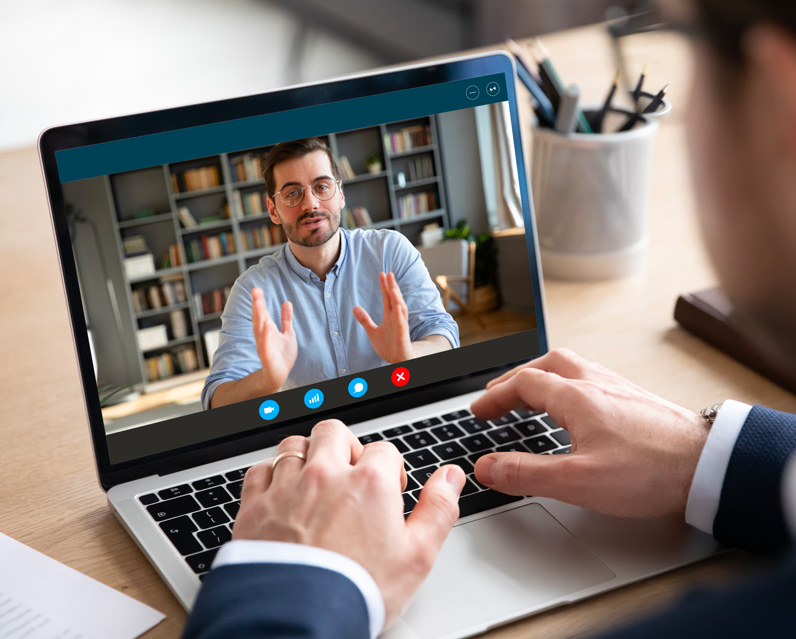
Remote high ticket sales has become one of the most accessible ways to build a high-income career from anywhere in the world. It allows individuals to sell premium products or services remotely, usually through phone or video calls, and earn commissions based on each successful deal closed. Unlike traditional sales jobs that often require office attendance and fixed schedules, this career path offers flexibility, performance-based income, and global opportunities. Many beginners are drawn to it because it does not always require a college degree or years of prior experience, but it does require skill development and discipline. Understanding how to start remote high ticket sales is essential for anyone aiming to enter this competitive but rewarding space. The industry continues to grow as online businesses expand and rely more heavily on remote closers to convert leads into paying clients.
Foundational Understanding of Remote High Ticket Sales
Remote high ticket sales refers to selling expensive products or services without meeting clients in person. These offers typically range from hundreds to tens of thousands of dollars and are commonly found in coaching programs, SaaS platforms, consulting services, and premium digital education. Sales professionals in this field operate through virtual channels such as Zoom calls, phone calls, and CRM-based communication systems. The main responsibility is not just to sell but to guide potential clients toward making informed purchasing decisions. Success in this role depends heavily on communication skills and the ability to build trust quickly.
In this career path, professionals are often called “remote closers” because they focus on closing deals rather than generating leads. Companies usually provide pre-qualified leads, allowing closers to focus on conversion rather than prospecting. This structure makes the role highly attractive to individuals who prefer performance-based income over hourly wages. Understanding how to start remote high ticket sales begins with recognizing that it is both a skill-based and mindset-driven profession. Without proper preparation, beginners may struggle with consistency and confidence during calls.
Key components of this field include:
- Selling premium-priced offers in digital environments
- Conducting structured sales conversations via remote platforms
- Working on commission-based compensation systems
- Using persuasion and emotional intelligence to guide decisions
- Operating within fast-growing online industries
Understanding the High Ticket Sales Ecosystem
The high ticket sales ecosystem is built around premium offers that solve specific and often urgent problems. These offers are positioned as high-value solutions, which is why they carry higher price points. Buyers in this space are not impulse shoppers; they are decision-makers looking for transformation, efficiency, or financial growth. This means the sales approach must focus heavily on clarity, trust, and alignment rather than pressure tactics. Remote closers play a critical role in bridging the gap between interest and commitment.
Most high ticket ecosystems include marketing teams, appointment setters, sales closers, and fulfillment teams. Each role supports a smooth customer journey from awareness to purchase. The closer is usually the final point of contact before a sale is made, making their performance highly valuable. Understanding this structure is important for anyone learning how to start remote high ticket sales because it clarifies where you fit in the system. It also helps set realistic expectations about responsibilities and workflow.
High ticket offers often fall into these categories:
- Business coaching and mentorship programs
- Software and subscription-based tools for enterprises
- Real estate investment education and services
- Personal development and transformation programs
- Marketing and sales consulting packages
Essential Skills Required to Start Remote High Ticket Sales
Success in remote high ticket sales depends more on skill than formal education. Communication is the most important ability, especially the capacity to ask meaningful questions and listen actively. Buyers often reveal their motivations and concerns indirectly, and skilled closers know how to interpret those signals. Emotional intelligence is equally important because it allows sales professionals to adjust their tone and approach based on client behavior. Without these skills, even high-quality leads may not convert into sales.
Another critical skill is objection handling. Clients often hesitate due to price, timing, or uncertainty, and a strong closer knows how to navigate these concerns without being pushy. Storytelling also plays a major role in creating emotional connection and helping prospects visualize outcomes. Time management ensures that sales calls are handled efficiently while maintaining quality conversations. Self-discipline is especially important in remote environments where supervision is minimal.
Important skills include:
- Active listening and communication clarity
- Emotional intelligence in conversations
- Objection handling techniques
- Storytelling for value presentation
- Time management and focus control
- Confidence in high-pressure conversations
Choosing the Right Industry for Remote High Ticket Sales
Selecting the right industry can significantly impact long-term success. Some industries offer higher commission rates, while others provide more consistent lead flow. Coaching and consulting programs are among the most popular because they often involve transformational outcomes, making them easier to sell. SaaS companies also provide strong opportunities due to recurring revenue models and scalable products. Real estate and financial education sectors tend to offer higher ticket sizes but may require deeper product knowledge.
When learning how to start remote high ticket sales, beginners should consider industries that match their communication style and interests. Working in a niche that feels aligned makes it easier to stay motivated and confident during calls. Some industries also provide better training systems, which can accelerate skill development for new closers.
Common industries include:
- Online coaching and mentorship programs
- SaaS and digital tools
- Real estate investment education
- Health, fitness, and wellness programs
- Business consulting services
- Financial education platforms
Setting Up the Foundations for a Remote Sales Career
Building a strong foundation is essential before applying for remote sales roles. This includes having the right tools, environment, and digital presence. Most companies expect closers to be familiar with CRM systems, video conferencing tools, and scheduling platforms. A stable internet connection and quiet workspace are also necessary to maintain professionalism during calls. Without these basics, performance may be affected regardless of skill level.
Your online presence can also influence hiring decisions. Many recruiters review LinkedIn profiles or social media activity before offering interviews. A clean, professional profile that highlights communication skills and interest in sales can make a strong impression. Compensation in this field is typically commission-based, so understanding income variability is also important. Remote work requires self-management, so structuring your day effectively becomes part of the job itself.
Essential setup requirements include:
- Reliable laptop and internet connection
- CRM and communication tools
- Professional online profiles
- Quiet and distraction-free workspace
- Understanding of commission-based income structures
Learning the High Ticket Sales Process Step by Step
The sales process in this field follows a structured approach designed to guide prospects toward a decision. It usually begins with lead qualification, where potential clients are screened based on interest and fit. Once qualified, appointments are scheduled for deeper conversations. These calls are where closers engage in discovery, asking questions to understand needs and goals. The goal is to align the offer with the client’s desired outcome.
During presentations, value is emphasized rather than features. The closer must clearly communicate how the product or service solves the client’s problem. Objections are addressed calmly, and closing techniques are used when the client is ready. Follow-up systems also play a role in converting hesitant prospects. Understanding how to start remote high ticket sales requires mastering each step of this process.
Core stages include:
- Lead qualification and filtering
- Appointment scheduling
- Discovery conversations
- Offer presentation
- Objection handling
- Closing the sale
- Follow-up communication
How to Get Your First Remote High Ticket Sales Opportunity
Landing the first role requires a combination of strategy and persistence. Many beginners apply through remote job platforms or specialized sales job boards. Others connect directly with business owners in coaching or SaaS industries. Cold outreach can also be effective if done professionally and respectfully. Building relationships within online business communities increases visibility and trust.
Preparation is key when applying for roles. Employers often look for communication ability and coachability rather than experience. Practicing mock calls or completing training programs can improve confidence during interviews. Avoiding common mistakes like generic applications or lack of research is important. Consistency in applications and networking often leads to opportunities.
Ways to find opportunities include:
- Remote job platforms
- LinkedIn networking
- Cold outreach to online businesses
- Sales communities and forums
- Freelance marketplaces
Training and Development Path for Beginners
Training plays a major role in building confidence and competence. Many companies provide onboarding programs that include call scripts, role-playing exercises, and recorded call reviews. Practicing with simulations helps beginners understand real-world scenarios before speaking with clients. Shadowing experienced closers is another effective way to learn techniques and strategies. Continuous feedback helps refine performance over time.
Structured learning also includes studying buyer psychology and communication frameworks. This allows closers to understand why people make purchasing decisions. Consistent practice is more important than memorization of scripts. Over time, closers develop their own natural communication style. Learning how to start remote high ticket sales is an ongoing process of refinement.
Training elements include:
- Role-playing exercises
- Call shadowing sessions
- Sales psychology education
- Script practice and adaptation
- Feedback-based improvement
Building Confidence for Remote Sales Calls
Confidence is one of the most important traits in high ticket sales. Many beginners struggle with fear of rejection or sounding inexperienced. Overcoming this requires repetition and exposure to real conversations. The more calls a closer makes, the more comfortable they become with objections and pressure situations. Confidence is not about eliminating fear but learning to manage it effectively.
A strong mindset helps transform rejection into learning opportunities. Instead of viewing objections as failure, skilled closers see them as part of the process. Practicing positive self-talk and preparation before calls can improve performance. Maintaining emotional control during conversations also builds trust with clients. Confidence grows naturally through experience and structured practice.
Tools and Technology Used in Remote High Ticket Sales
Technology supports every stage of remote sales. CRM systems help track leads and manage pipelines efficiently. Video conferencing tools are essential for live sales calls. Automation platforms assist with scheduling and follow-ups. Performance tracking tools allow closers to analyze their conversion rates and improve over time. Without these tools, managing remote sales operations would be inefficient.
Understanding how to use these tools is part of learning how to start remote high ticket sales. Many companies provide training, but self-learning can also be beneficial. Familiarity with technology improves productivity and professionalism. It also helps closers manage multiple clients and leads effectively.
Frequently Asked Questions
What is remote high ticket sales?
It is the process of selling high-value products or services through virtual communication channels such as phone or video calls.
Do I need experience to start remote high ticket sales?
No prior experience is always required, but training and communication skills are essential for success.
How much can beginners earn in this field?
Income varies widely depending on commissions, but beginners can scale earnings as they improve their closing skills.
Is remote high ticket sales a stable career?
It can be stable for high performers, especially when working with established companies and consistent lead flow.
What industries hire remote closers?
Coaching, SaaS, consulting, real estate education, and financial training companies commonly hire remote closers.
Takeaway
Remote high ticket sales offers a pathway to a performance-based career where income is directly tied to skill and consistency. Success depends on mastering communication, understanding buyer psychology, and developing strong confidence in conversations. With the right training, tools, and mindset, beginners can gradually transition into skilled remote closers. Growth in this field is driven by continuous learning and adaptability rather than prior experience. Those who commit to improving their craft often find significant long-term opportunities in this evolving digital sales landscape.