Concrete remains one of the most important materials used for modern structures. From residential homes and commercial buildings to bridges, roads, and industrial facilities, Concrete provides the strength needed to support different types of loads and environmental conditions.
A structure’s durability depends greatly on the quality of its Concrete materials. Poor-quality Concrete may result in cracks, reduced strength, premature deterioration, and costly repairs. This is why Concrete testing plays a vital role during construction projects.
Concrete testing allows engineers, contractors, and developers to verify whether Concrete meets required strength and quality specifications. Through proper testing procedures, construction teams can identify possible issues before they affect the safety and stability of a structure.
Inch-On Materials Testing Laboratory provides professional Concrete testing services designed to evaluate Concrete performance based on recognized ASTM standards. As a DPWH-BRS accredited Engineering and Construction Laboratory, Inch-On helps project teams confirm that their Concrete materials meet strict quality requirements.
Understanding Concrete and Its Role in Construction
What Is Concrete?
Concrete is a composite material made from cement, aggregates, water, and other additives that improve certain properties. When these components are properly mixed, cured, and tested, Concrete develops the strength required for various construction applications.
The quality of Concrete depends on several factors, including:
- Material selection
- Mixing proportions
- Water-cement ratio
- Curing process
- Environmental conditions
- Proper handling and placement
Every Concrete mixture must achieve the required strength level based on project specifications. Without proper evaluation, weak Concrete batches may go unnoticed until structural problems appear.
Why Concrete Strength Matters
Concrete strength determines how well a structure can handle applied loads. Strong Concrete supports long-term stability, while low-strength Concrete may create risks for occupants and property owners.
Concrete strength testing helps confirm whether materials can perform according to design requirements. This process allows engineers to make informed decisions regarding structural safety and construction progress.
Reliable Concrete testing supports:
- Safer structures
- Better project quality control
- Reduced repair costs
- Improved construction planning
- Compliance with engineering requirements
What Is Concrete Testing?
Concrete testing is a process used to evaluate the physical and mechanical properties of Concrete materials. Through laboratory and field procedures, specialists measure Concrete performance and compare results against established standards.
The main purpose of Concrete testing is to confirm whether materials meet required strength levels before they become part of a completed structure.
Professional Concrete testing examines important characteristics such as:
- Compressive strength
- Flexural strength
- Material consistency
- Structural capacity
- Overall Concrete quality
With accurate Concrete testing results, engineers and contractors gain valuable data needed for project approval and quality monitoring.
Common Types of Concrete Testing Methods
Concrete Compression Test
Concrete compression testing is one of the most widely used methods for measuring Concrete strength. This test determines how much pressure a Concrete sample can withstand before failure.
ASTM C39 provides the standard procedure for Concrete cylinder compression testing. The results help engineers evaluate whether Concrete has achieved the required strength for a specific project.
Concrete compression testing is commonly performed for:
- Building foundations
- Columns
- Beams
- Slabs
- Infrastructure projects
Accurate compression test results allow construction professionals to confirm whether Concrete materials meet structural requirements.
Concrete Flexural Strength Test
Concrete flexural testing measures Concrete resistance against bending forces. This type of testing is especially important for applications where Concrete experiences movement, tension, or bending pressure.
ASTM C78 outlines procedures for Concrete flexural strength testing. The test provides valuable data for projects involving:
- Concrete pavements
- Road structures
- Floor systems
- Large slab applications
By evaluating Concrete bending performance, engineers can better understand how Concrete will respond under actual service conditions.
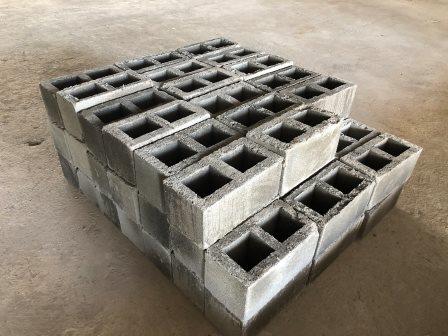
Concrete Hollow Block Testing
Concrete Hollow Block (CHB) testing evaluates the quality and strength of masonry units used for walls and other structural applications.
CHB testing helps determine whether Concrete hollow blocks can support required loads and meet project specifications. ASTM C140 provides procedures for evaluating Concrete masonry units.
Concrete Hollow Block testing examines:
- Load-bearing capacity
- Unit strength
- Material quality
- Physical characteristics
Proper CHB testing helps prevent the use of weak masonry materials that may affect overall building performance.
Field Concrete Testing Services
Field Concrete testing involves evaluating Concrete conditions directly at the project location. This process provides real project data and helps confirm whether Concrete materials perform as expected.
Field Concrete testing may include:
- Concrete sample collection
- On-site evaluation
- Structural assessment
- Material verification
Through field testing services, construction teams can monitor Concrete quality throughout different project stages.
Importance of ASTM Standards for Concrete Testing
ASTM standards provide recognized procedures for evaluating Concrete materials. These standards help laboratories perform consistent and accurate testing methods.
Following ASTM standards allows Concrete testing results to become dependable references for engineers, contractors, and inspectors.
Inch-On Materials Testing Laboratory follows ASTM procedures for Concrete testing services, including:
- ASTM C39 for Concrete compression testing
- ASTM C78 for Concrete flexural strength testing
- ASTM C140 for Concrete masonry unit testing
These standards support accurate Concrete evaluation and help construction teams maintain proper quality control.
How ASTM Standards Improve Concrete Testing Accuracy
Concrete testing requires precise methods to produce trustworthy results. ASTM procedures guide laboratories through proper sample preparation, testing methods, and reporting processes.
Using ASTM-based Concrete testing procedures helps:
- Reduce testing errors
- Maintain consistent results
- Support engineering evaluations
- Provide dependable project records
A professional Concrete testing laboratory ensures every test follows proper procedures from sample handling through final reporting.
Why Choose a DPWH-BRS Accredited Concrete Testing Laboratory?
Choosing the right Concrete testing laboratory is essential for construction projects that require accurate material evaluation. Accreditation shows that a laboratory follows recognized testing practices and maintains proper technical standards.
Inch-On Materials Testing Laboratory is a DPWH-BRS accredited Engineering and Construction Laboratory established in November 2018. The laboratory specializes in evaluating soil and construction materials through field and laboratory testing services.
The laboratory supports projects that require reliable Concrete testing, foundation evaluation, and construction material verification.
Reliable Concrete Testing Procedures
Inch-On Materials Testing Laboratory applies controlled procedures for Concrete testing. Each evaluation follows established standards to produce accurate results.
The laboratory uses specialized equipment and qualified personnel to examine Concrete samples and provide detailed technical reports.
Reliable Concrete testing helps project teams:
- Confirm material strength
- Monitor construction quality
- Support inspection requirements
- Make better project decisions
Accurate Laboratory Equipment and Testing Methods
Concrete testing depends on proper equipment performance. Laboratory tools must maintain accuracy to produce dependable test results.
Inch-On maintains testing equipment according to required procedures, supporting accurate Concrete evaluation for different construction applications.
Through professional Concrete testing methods, the laboratory helps verify whether materials meet project requirements.
Detailed Concrete Testing Reports
Concrete testing reports provide essential details about material performance. These reports help engineers and project managers review Concrete quality before moving forward with construction activities.
A detailed Concrete testing report may include:
- Test method used
- Sample details
- Testing results
- Strength measurements
- Technical observations
Clear Concrete testing documentation supports project records and quality management.
Concrete Testing Process at Inch-On Materials Testing Laboratory
Step 1 Sample Collection and Preparation
The Concrete testing process starts with proper sample collection. Correct sampling helps ensure test results represent the actual Concrete quality used for a project.
Samples must be prepared carefully before laboratory evaluation. Proper handling protects sample condition and supports accurate Concrete testing results.
Step 2 Laboratory Concrete Testing
After preparation, Concrete samples undergo laboratory testing using specialized equipment. The process measures Concrete strength and evaluates material performance based on ASTM procedures.
Laboratory Concrete testing provides measurable results that engineers can use for structural assessment.
Step 3 Data Review and Technical Reporting
After testing, specialists review Concrete test results and prepare technical reports. These documents provide essential details regarding Concrete performance and project compliance.
Accurate reporting helps construction professionals understand Concrete quality and make appropriate decisions.
Benefits of Professional Concrete Testing Services
Preventing Construction Problems
Concrete testing helps identify low-strength Concrete batches before they create major concerns. Early detection reduces the possibility of costly repairs, reconstruction work, and project delays.
Regular Concrete evaluation gives construction teams better control over material quality.
Supporting Building Requirements
Concrete testing helps confirm whether materials meet required specifications. Verified Concrete results support project reviews, inspections, and engineering approvals.
Improving Structural Durability
Quality Concrete contributes to stronger and longer-lasting structures. Through proper Concrete testing, project teams can confirm material performance before completion.
Professional Concrete testing supports safer buildings, improved construction practices, and better long-term results.
Why Partner with Inch-On Materials Testing Laboratory for Concrete Testing?
Inch-On Materials Testing Laboratory provides dependable Concrete testing solutions for construction projects across different sectors.
The laboratory offers:
- DPWH-BRS accreditation
- ASTM and AASHTO-based testing procedures
- Field testing services
- Laboratory testing services
- Concrete and CHB testing
- Soil and foundation testing
With experience in construction material evaluation, Inch-On helps clients verify Concrete quality through accurate testing and technical reporting.
Choosing the Right Concrete Testing Partner for Your Project
Selecting a trusted Concrete testing laboratory requires careful consideration. Project owners and contractors should look for:
- Proper accreditation
- Experienced technical personnel
- Advanced testing equipment
- Accurate reporting
- Compliance with recognized standards
A dependable Concrete testing partner helps ensure materials meet project expectations and structural requirements.
Inch-On Materials Testing Laboratory provides professional Concrete testing services designed to support construction quality, safety, and reliability.
Takeaway
Concrete quality plays a major role in the safety, strength, and durability of every construction project. Proper Concrete testing provides essential data needed to verify material performance and support better construction decisions.
Through ASTM-based procedures, professional equipment, and technical expertise, Inch-On Materials Testing Laboratory helps contractors, engineers, and developers evaluate Concrete quality with confidence.
For projects that require dependable Concrete testing, Inch-On provides accurate laboratory and field services designed to support strong and reliable structures.
Frequently Asked Questions About Concrete Testing
What is Concrete testing?
Concrete testing is a process used to evaluate Concrete strength, quality, and performance through laboratory and field procedures. The results help determine whether Concrete materials meet project requirements.
Why is Concrete strength testing important?
Concrete strength testing confirms whether Concrete can support required loads. It helps identify weak materials and supports safer construction decisions.
What ASTM standards are used for Concrete testing?
Common ASTM standards for Concrete testing include ASTM C39 for compression testing, ASTM C78 for flexural strength testing, and ASTM C140 for Concrete masonry unit testing.
How long does Concrete testing take?
Concrete testing duration depends on the test method, sample requirements, and project schedule. A professional laboratory can provide guidance based on specific project needs.
Why should contractors choose a DPWH-BRS accredited Concrete testing laboratory?
A DPWH-BRS accredited Concrete testing laboratory follows recognized procedures and maintains proper testing practices. This helps provide reliable Concrete results for engineering and construction purposes.
Where can clients request Concrete testing services?
Clients looking for professional Concrete testing services may contact Inch-On Materials Testing Laboratory for laboratory and field evaluation solutions.