Why Aluminum Walkways Matter for Philippine Projects
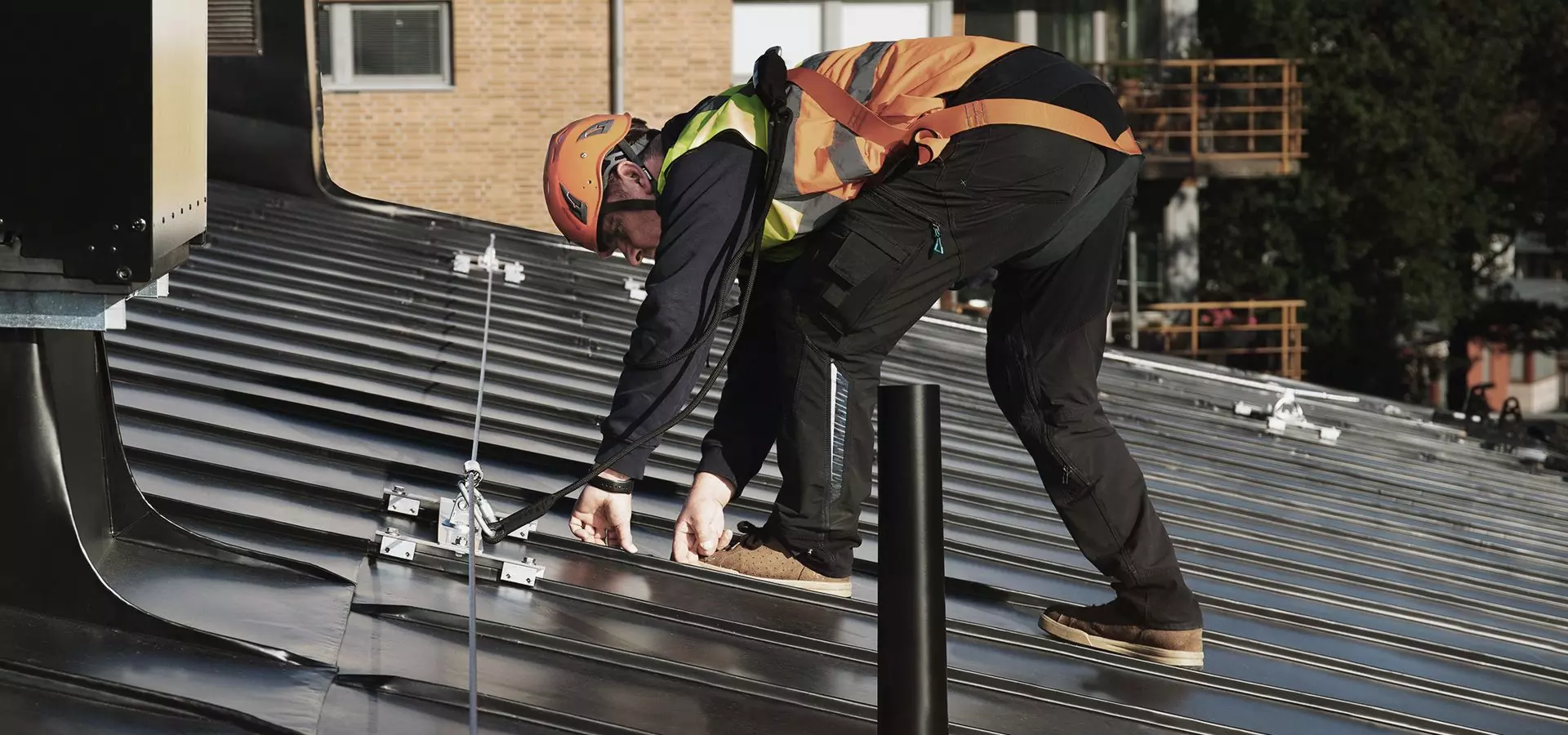
Rooftop and elevated areas often require regular access for inspection, cleaning, repairs, equipment servicing, and maintenance. Without a designated path, workers may have to walk directly across roofing materials that can become slippery, fragile, uneven, or difficult to navigate. An aluminum walkway creates a clearly defined route that can help organize movement and provide a more suitable walking surface for maintenance personnel. Many modern rooftop walkway systems are designed with anti-slip surfaces and can also be combined with handrails or other protection components when the application requires them. In the Philippines, where facilities may experience intense sunlight, humidity, frequent rain, and coastal conditions, material selection is particularly important for outdoor access systems. Aluminum is often considered for these applications because it combines relatively low weight with corrosion resistance and structural performance. Working with an experienced aluminum walkway supplier Philippines can therefore help building owners, contractors, engineers, and facility managers select a system that fits the site’s actual requirements.
What Is an Aluminum Walkway System?
An aluminum walkway system is a purpose-designed access structure that provides a defined walking route across a roof, industrial area, elevated platform, or other location where controlled pedestrian movement is necessary. Depending on the application, the system may include aluminum walkway panels or grating, support components, mounting hardware, handrails, guardrails, and toe boards. Some systems are modular, allowing sections to be connected to create longer routes or accommodate different layouts. Rooftop products may be designed for flat roofs, standing-seam roofs, metal profile roofs, and other roof configurations, although compatibility must always be verified for the specific roof construction. A properly designed walkway can also help direct workers away from areas of a roof that are not intended for routine foot traffic. This can reduce unnecessary wear on roofing surfaces while giving maintenance personnel a more predictable route between access points and equipment. The right configuration depends on factors such as roof profile, slope, expected loads, support spacing, environmental exposure, and the activities workers will perform.
Why Aluminum Is a Practical Material for Walkways
Aluminum is widely used for access systems because it offers a useful balance of strength, weight, and resistance to environmental exposure. Compared with heavier metal alternatives, aluminum can be easier to handle during transportation and installation, which may be particularly useful on rooftop projects. Aluminum also does not develop red rust in the same manner as ordinary carbon steel, although appropriate alloy selection, surface treatment, and fastening practices remain important for long-term performance. Some commercially available walkway systems use structural aluminum alloys and finishes designed for outdoor applications. The material can also be fabricated into grating, planks, checker plates, and other walkway profiles depending on the required surface characteristics. For rooftop installations, reducing unnecessary weight while maintaining suitable structural performance can be an important design consideration. When evaluating an aluminum walkway supplier Philippines, buyers should therefore ask about the aluminum alloy, thickness, structural design, surface treatment, and intended application instead of choosing a product based solely on appearance or price.
Common Applications for Aluminum Walkways in the Philippines
Aluminum walkways can be useful in many locations where workers need a controlled route for routine access. Commercial buildings may use rooftop walkways to reach air-conditioning equipment, mechanical systems, roof drains, solar installations, and other service areas. Industrial facilities can use them around equipment, production areas, elevated structures, and maintenance zones where a dedicated pedestrian path is preferable to walking directly on operational or sensitive surfaces. Solar installations are another important application because technicians frequently need to reach panels and related equipment for inspection and maintenance. Rooftop walkway systems are specifically marketed for solar maintenance because they can provide traction while helping protect roofing surfaces from repeated foot traffic. Walkways may also be useful in warehouses, utility facilities, factories, and other properties with elevated maintenance requirements. Before selecting a system, the facility team should identify exactly where workers need to travel, how frequently the route will be used, and what equipment or tools workers are expected to carry.
Key Features to Look for When Choosing an Aluminum Walkway
The surface design should be one of the first features evaluated when selecting an aluminum walkway. A properly designed anti-slip surface can provide better traction than a smooth metal surface, particularly where rain, moisture, dust, oil, or other contaminants may be present. Open or serrated grating can also allow water to drain through the walkway rather than remaining on the walking surface. Commercial walkway systems use different approaches to improve traction, including profiled surfaces, serrated structural bars, checker plates, and grating designs. Load capacity is another critical consideration because the walkway must be appropriate for the people, tools, equipment, and other loads expected during normal use. Support spacing, panel dimensions, mounting methods, and structural design should be evaluated together rather than separately. A dependable aluminum walkway supplier Philippines should be able to provide technical specifications that help buyers determine whether a particular system is appropriate for the intended application.
Why Anti-Slip Design Should Be a Priority
A rooftop can become substantially more challenging to navigate when rain or moisture is present. Smooth metal surfaces can create additional slip hazards when they become wet, which is why purpose-designed walkways frequently incorporate traction-enhancing features. Some aluminum systems use serrated or profiled surfaces to create additional grip underfoot. Other designs use open grating that allows water and debris to pass through the walking surface. An anti-slip surface can also help workers maintain more stable footing while carrying tools or performing maintenance activities. However, surface traction should not be treated as the only safety consideration because walkway layout, structural capacity, roof condition, slope, edge protection, and installation quality also matter. Where there is exposure to an unprotected roof edge or another fall hazard, additional guardrails or other appropriate protection may be required. Selecting the walkway as part of a broader access strategy can help create a more organized and controlled maintenance environment.
Choosing the Right Aluminum Walkway Supplier Philippines
Selecting the right supplier is about more than finding a company that sells aluminum panels. A capable supplier should understand how walkway systems interact with roofs, structures, maintenance activities, and workplace access requirements. Buyers should look for technical documentation that identifies material specifications, dimensions, load information, mounting arrangements, and recommended applications. It is also useful to ask whether the supplier can provide customized configurations when a standard walkway does not match the site’s dimensions or layout. Some manufacturers offer modular systems that can be configured around roof profiles, access points, equipment, and changes in elevation. Installation assistance or technical consultation can be another valuable service, particularly for large commercial and industrial projects. A supplier that can discuss the complete project rather than simply quote a piece of aluminum is generally better positioned to help buyers develop a practical access solution.
Questions to Ask an Aluminum Walkway Supplier Before Ordering
Before purchasing an aluminum walkway, buyers should gather enough technical information to compare different systems properly. One important question is which aluminum alloy is used and whether the material is intended for the environmental conditions of the project. Buyers should also ask about walkway width, panel length, surface design, maximum recommended loads, support spacing, and available mounting configurations. It is important to determine whether the walkway can be installed on the particular roof profile or structural surface involved in the project. Suppliers should also explain whether the system can accommodate handrails, guardrails, toe boards, ramps, steps, or other access components. Documentation such as installation instructions, technical drawings, engineering information, and maintenance recommendations can be valuable during project planning. Asking these questions before placing an order can help prevent compatibility problems and unexpected installation requirements. A professional aluminum walkway supplier Philippines should be willing to explain the system clearly and identify information that needs to be confirmed before fabrication or installation.
Understanding Installation and Mounting Requirements
The installation method can have a major effect on the performance of an aluminum walkway. A walkway should not simply be placed on a roof without considering the roof’s construction, structural capacity, slope, drainage, and fastening requirements. Different roofing systems may require different attachment methods, and some systems use specialized clamps or non-penetrating supports. For example, commercial rooftop walkway systems may use different mounting approaches for standing-seam roofs, metal profile roofs, and membrane roofing. Some freestanding systems use support feet designed to avoid penetrating the roof surface, while other installations require engineered mechanical connections. The correct approach depends on the specific product, roof design, and project requirements. Installation should follow the manufacturer’s technical instructions and any applicable engineering requirements rather than relying on improvised fastening methods. A site assessment, detailed roof drawings, or accurate measurements can help the supplier develop a more suitable installation plan.
Aluminum Walkways and Long-Term Maintenance
Even durable aluminum walkways require regular inspection and basic maintenance. Facility personnel should periodically check the walking surface for damage, deformation, excessive wear, contamination, or loose components. Fasteners, clamps, supports, joints, handrails, and other connection points should also be inspected for signs of movement or deterioration. Keeping the walkway reasonably clean can help preserve traction, particularly in areas where dust, grease, leaves, or other materials accumulate. After severe weather events, facility managers may also want to inspect exposed rooftop access systems for movement or damage. Maintenance requirements vary depending on the product, environmental exposure, usage frequency, and installation conditions. Following the supplier’s recommended inspection and maintenance procedures can help the system remain functional throughout its service life. A reliable supplier should provide guidance on how the installed walkway should be inspected and maintained after commissioning.
Comparing Aluminum Walkways With Other Materials
Aluminum is not the only material available for access walkways, and selecting the right material requires consideration of the complete project. Galvanized steel can offer substantial structural strength but may be heavier and may require additional consideration regarding corrosion protection. Stainless steel can provide excellent corrosion resistance but may carry a higher material cost depending on the specification. Fiberglass-reinforced plastic, often called FRP, is another option used in some environments where corrosion resistance and specific electrical characteristics are important. Aluminum provides a useful combination of lightweight construction, corrosion resistance, and durability for many rooftop and industrial applications. Some manufacturers specifically position aluminum walkway systems as lightweight alternatives that can provide anti-slip access while minimizing additional roof loading. The most suitable material should ultimately be selected according to structural requirements, environmental exposure, expected traffic, maintenance needs, and project budget. A knowledgeable supplier can help explain the advantages and limitations of each option for the actual site rather than recommending a material based only on general preferences.
How to Request a Proper Aluminum Walkway Quote
A detailed project description can help an aluminum walkway supplier Philippines prepare a more useful quotation. Buyers should provide the approximate walkway length and required width whenever possible. Roof type and surface material should also be identified because mounting requirements can differ considerably between roof systems. Drawings, photographs, roof plans, or measurements can help the supplier understand the proposed route and identify potential obstacles. Buyers should also mention whether the walkway needs guardrails, handrails, toe boards, ramps, steps, access platforms, or connections to existing safety systems. The expected use should be described as well, including routine maintenance, solar panel servicing, equipment inspection, or industrial access. Environmental factors such as heavy rainfall, high humidity, coastal exposure, and frequent outdoor use may also be relevant when selecting materials and finishes. Providing these details at the quotation stage can make it easier to compare suppliers based on the complete solution rather than simply comparing the price per meter.
Frequently Asked Questions About Aluminum Walkways in the Philippines
What is an aluminum walkway used for?
An aluminum walkway provides a designated path for people who need to move through rooftops, industrial facilities, maintenance areas, or other elevated locations. It can help organize pedestrian movement and provide a more appropriate walking surface for routine maintenance.
Why choose aluminum for a rooftop walkway?
Aluminum is lightweight and naturally resistant to corrosion, making it a practical option for many outdoor access applications. Its suitability still depends on the alloy, structural design, installation method, and environmental conditions.
Are aluminum walkways suitable for industrial facilities?
Yes, appropriately engineered aluminum walkways can be used in industrial environments. The selected system should be evaluated according to expected loads, traffic frequency, environmental exposure, and the specific access requirements of the facility.
Can an aluminum walkway be customized?
Many walkway systems can be configured or customized according to the project layout. Customization may involve dimensions, routing, supports, mounting components, handrails, guardrails, and other accessories.
Can aluminum walkways be installed on existing roofs?
They can be installed on many existing roof types, but compatibility must be assessed first. Roof construction, structural capacity, slope, mounting method, and the walkway manufacturer’s requirements should all be considered.
Do aluminum walkways need anti-slip surfaces?
Anti-slip design is highly important for rooftop and outdoor applications where rain or moisture may affect traction. Different systems use serrated, profiled, checker, or grated surfaces to provide additional grip.
How do I choose an aluminum walkway supplier in the Philippines?
Look for a supplier that can provide clear technical specifications, appropriate mounting solutions, customization options, installation guidance, and responsive technical support. The supplier should also be able to discuss the specific roof or facility where the walkway will be installed.
How much does an aluminum walkway cost in the Philippines?
There is no single price that applies to every project. Cost can depend on walkway dimensions, aluminum specification, surface type, mounting hardware, support spacing, accessories, installation requirements, delivery, and project complexity.
Takeaway: Building a Better Access System With the Right Supplier
A well-designed aluminum walkway can provide a practical access route for rooftop, commercial, industrial, and maintenance applications. Its value goes beyond providing a place to walk because a properly planned system can help organize worker movement while protecting sensitive roof surfaces from unnecessary foot traffic. Anti-slip surfaces, appropriate structural capacity, secure mounting, and suitable accessories should all be evaluated before purchasing a system. Aluminum can be an attractive option where lightweight construction and corrosion resistance are important considerations. The quality of the supplier is equally important because the walkway needs to work with the actual building, roof, environmental conditions, and maintenance requirements. When evaluating an aluminum walkway supplier Philippines, focus on technical expertise, product quality, customization capabilities, installation support, and documentation rather than choosing based on price alone. With careful planning and the right supplier, an aluminum walkway can become a dependable part of a facility’s long-term access and maintenance strategy.