Modern buildings are becoming taller, more sophisticated, and more visually complex, making exterior maintenance an increasingly important part of property management. Glass curtain walls, architectural panels, decorative structures, recessed windows, and other facade features can create difficult areas that must still be cleaned, inspected, and repaired regularly. A Building Maintenance Unit Philippines solution provides a dedicated system for accessing these exterior areas safely and efficiently. A BMU is generally a permanent mechanical access system installed at or near roof level that can suspend a working platform along the building facade. For high-rise properties, this type of equipment can provide a more systematic approach to recurring facade maintenance. Properly designed systems can be adapted to the height, shape, and architectural characteristics of a particular building.
What Is a Building Maintenance Unit?
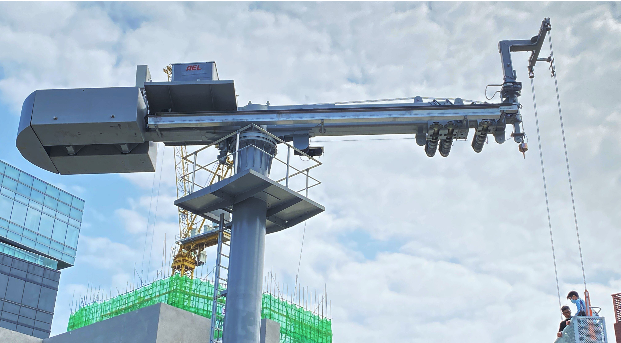
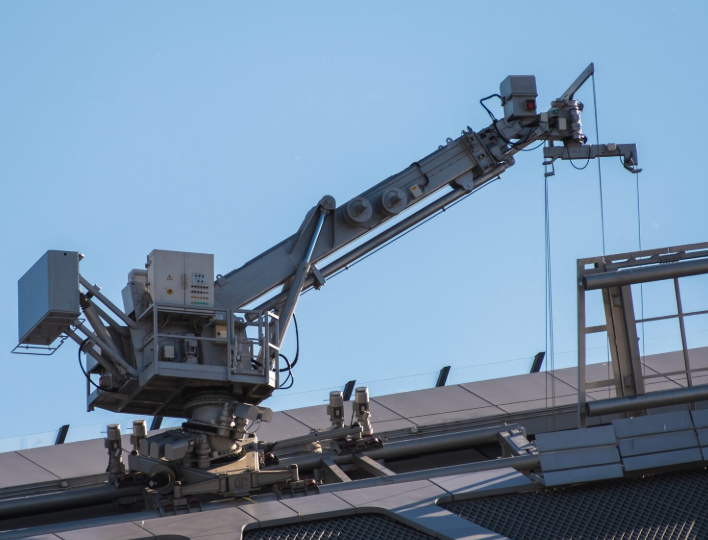
A Building Maintenance Unit, commonly called a BMU, is specialized equipment designed to provide controlled access to the exterior surfaces of a building. It commonly includes a roof-mounted machine or trolley, mechanical lifting equipment, suspension ropes, and a suspended platform or cradle. Depending on the building design, the equipment may travel along a roof track or operate from a fixed position with an appropriately designed boom. The suspended platform allows trained personnel to reach exterior areas for activities such as window cleaning, facade inspection, repairs, and other maintenance work. Some systems can also include auxiliary lifting equipment for tasks involving glass or other materials. Because buildings have different heights and facade configurations, BMUs are generally engineered according to project-specific requirements rather than being treated as a one-size-fits-all product. This makes proper planning especially important when selecting a Building Maintenance Unit Philippines solution for a new development or an existing high-rise property.
Why High-Rise Buildings Need Dedicated Facade Access
Maintaining the outside of a tall building is very different from maintaining areas that can be reached from the ground. Window surfaces, cladding, curtain walls, architectural panels, and exterior fixtures can be located many stories above accessible ground areas. Building geometry can make the task even more challenging when facades include curves, projections, recesses, sloping surfaces, balconies, fins, or other architectural features. A dedicated facade access system gives maintenance teams a planned method for reaching areas that would otherwise be difficult to service. BMUs can also help building management establish recurring maintenance procedures instead of relying on improvised access methods. A well-designed facade-access strategy should consider the entire building envelope and the locations that require regular cleaning, inspection, repair, or replacement. For property owners, planning reliable access can therefore become an important part of protecting the condition, appearance, and long-term usability of a building.
Main Components of a BMU System
The configuration of a Building Maintenance Unit Philippines system depends on the building, but several major components are commonly involved. The roof-mounted machine or roof car provides the primary movement and positioning mechanism for the equipment. Tracks may be used when the BMU needs to travel across different roof positions to serve multiple facade sections. A boom, jib, or telescopic mechanism can provide the required outreach from the building edge toward the facade. Hoists and suspension ropes allow the working platform to move vertically along the exterior surface. The suspended cradle provides a working area for trained personnel performing facade maintenance activities. Modern systems may also incorporate safety limiters, braking systems, emergency controls, sensors, and other protective features depending on their engineering configuration. Understanding these components helps building owners evaluate whether a proposed system can provide the required reach, capacity, movement, and safety features.
Where BMUs Are Commonly Used
A BMU can support a wide range of activities beyond ordinary window cleaning. One of its most recognizable applications is providing access to exterior glass for routine cleaning and inspection. It can also help maintenance personnel examine facade panels, joints, sealants, architectural elements, and other accessible exterior components. Depending on the equipment configuration and approved working procedures, a BMU may assist with certain repair and replacement activities as well. Some systems can incorporate material-handling capabilities that support tasks such as glass replacement or moving maintenance materials. A BMU can be particularly useful when a building has extensive glazed surfaces or a facade that cannot be conveniently accessed from ground-based equipment. It may also be used for certain interior architectural areas such as atriums when the system is specifically designed for that purpose. This versatility makes a properly engineered BMU a valuable component of a comprehensive high-rise facade maintenance strategy.
Buildings That Can Benefit From a BMU in the Philippines
Many types of properties can benefit from dedicated facade-access equipment when their exterior maintenance requirements justify a permanent system. High-rise residential towers often have extensive windows and exterior surfaces that need recurring attention. Commercial and office buildings may require regular facade cleaning to maintain a professional appearance and support ongoing property operations. Hotels can also benefit because clean and well-maintained exterior surfaces contribute to the overall presentation of the property. Hospitals, mixed-use developments, and large commercial structures may have similarly demanding facade-access requirements. A Building Maintenance Unit Philippines system can also be appropriate for architecturally complex buildings where conventional access methods cannot efficiently cover all exterior areas. Local providers describe BMU applications across high-rise buildings, commercial developments, hotels, hospitals, and complex architectural facades. The right solution ultimately depends on the building’s height, facade configuration, maintenance frequency, access requirements, structural conditions, and operational needs.
BMU Design for Philippine Building Conditions
A BMU project should account for the environmental conditions in which the equipment will operate. Philippine buildings can experience intense sunlight, heavy rainfall, high humidity, and strong weather events, all of which can expose rooftop equipment and exterior components to demanding conditions. Equipment selection should therefore consider appropriate materials, protective measures, drainage, corrosion resistance, and routine inspection requirements. The surrounding rooftop environment also needs careful assessment because equipment movement can be affected by plant rooms, water tanks, parapets, mechanical equipment, and other structures. A facade-access design should provide sufficient clearance for the BMU to travel and position its working platform where required. Design teams should also evaluate the building’s structural capacity because roof-mounted equipment and tracks can impose significant loads on supporting structures. Early coordination between architects, structural engineers, facade specialists, and facility managers can help create a system that works effectively with the building rather than becoming an operational obstacle.
Safety Considerations for BMU Operation
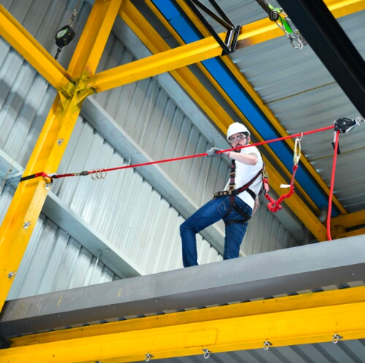
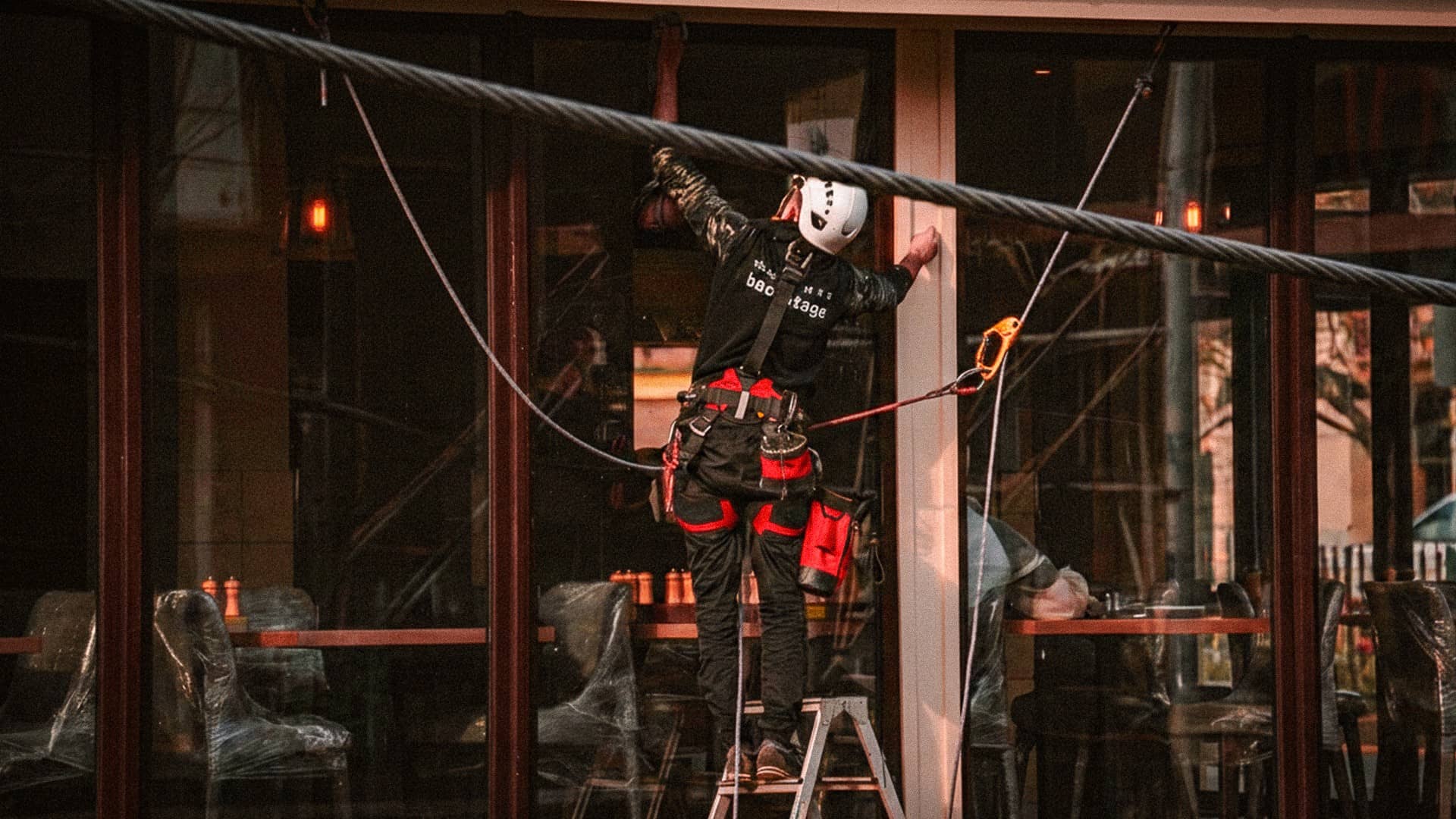
Safety must be one of the highest priorities when designing, installing, inspecting, and operating a BMU. Workers using suspended access equipment are performing tasks at height, so equipment condition, operating procedures, weather conditions, and worker competency all matter. Before operation, personnel should follow the manufacturer’s inspection and operating requirements and verify that relevant equipment and safety systems are ready for use. Components such as suspension ropes, hoists, brakes, limit switches, controls, structural connections, and other safety-critical elements require appropriate inspection and maintenance. Regular servicing is important because the BMU itself is exposed to environmental conditions while it remains on the roof. Industry guidance emphasizes checking components for corrosion, damage, distortion, malfunction, and wear and performing appropriate testing as part of periodic maintenance. Operators should also follow established procedures for emergency situations, communication, weather limitations, access control, and rescue planning. A strong safety program combines properly engineered equipment with qualified personnel, documented procedures, appropriate inspections, and consistent maintenance practices.
Importance of Professional Installation and Preventive Maintenance
Installing a BMU involves more than placing mechanical equipment on a rooftop. The equipment must be coordinated with the building structure, roof layout, facade geometry, electrical requirements, access routes, and operational requirements. Proper commissioning and testing should be carried out before the system is placed into routine service. Once operational, preventive maintenance should be scheduled according to manufacturer recommendations and applicable requirements. Routine checks can identify issues such as corrosion, worn components, damaged cables, mechanical problems, or electrical faults before they develop into more serious operational concerns. Regular maintenance can also help reduce unexpected downtime when the building needs exterior cleaning or repairs. Building managers should maintain appropriate service records, inspection documentation, equipment manuals, and other relevant information so that the history of the system can be properly tracked. A professionally installed and consistently maintained BMU can provide building owners with a more dependable long-term facade-access solution.
How to Choose a Building Maintenance Unit Philippines Solution
Choosing the right BMU begins with understanding the building rather than simply selecting equipment from a catalog. The project team should first identify the total facade area that needs maintenance and determine which sections are difficult to access. Building height, facade shape, roof configuration, projections, recessed areas, and architectural obstacles should then be assessed. The required platform capacity, vertical travel, horizontal movement, boom reach, and positioning capabilities should also be established. Structural requirements must be coordinated with the building’s engineering design so that the equipment can be properly supported during operation. Safety features, controls, emergency provisions, inspection requirements, spare parts, training, and after-sales support should also form part of the evaluation. Working with an experienced facade-access specialist can help building owners identify the appropriate system configuration and avoid choosing equipment that cannot adequately reach or service important areas.
Benefits of Investing in a Properly Designed BMU
A properly designed BMU can provide building owners with a dedicated approach to exterior facade access. It can make recurring cleaning and inspection activities more organized because the building has permanent equipment specifically intended for exterior maintenance. Reliable access can also support timely attention to facade issues before minor maintenance needs become more difficult or expensive problems. Regular facade maintenance helps preserve exterior finishes and can contribute to the overall appearance of a property. An effective access strategy can also support the long-term maintenance of building-envelope components by making inspection and servicing more practical. Industry facade-access guidance emphasizes the relationship between planned access, safe maintenance, facade preservation, and long-term building performance. The value of a BMU is therefore not limited to window washing because it can become part of a broader property-maintenance program. For high-rise buildings with demanding facade requirements, the right BMU can provide a practical combination of accessibility, operational efficiency, and controlled maintenance access.
Planning a BMU Project From the Early Design Stage
The best time to consider facade access is during the early stages of building design. Architects and engineers can evaluate how the facade will be maintained before the building’s structural and architectural elements are finalized. This approach allows rooftop equipment, tracks, structural supports, access routes, storage areas, and facade clearances to be coordinated more effectively. It can also reduce the need for expensive modifications after construction is complete. Facade-access planning should identify the areas that require regular cleaning, inspection, repair, and potential component replacement. A professional planning process can also assess cleaning cycles and determine whether the proposed equipment can reach the required sections of the facade. Building owners should involve facility-management representatives early because the people responsible for operating and maintaining the property can provide valuable information about practical access requirements. Early coordination ultimately creates a stronger foundation for a BMU system that can remain useful throughout the building’s operating life.
FAQ About Building Maintenance Unit Philippines
What is a Building Maintenance Unit?
A Building Maintenance Unit is a mechanical facade-access system designed to provide controlled access to the exterior of a building. It commonly includes roof-level equipment, suspension systems, and a working platform or cradle. The system can be used for cleaning, inspection, maintenance, and certain repair activities.
What is a BMU used for?
BMUs are commonly used for exterior window cleaning, facade inspection, and building maintenance. Depending on the system design, they may also support facade repairs, panel work, and glass replacement activities.
Which buildings can use a BMU?
High-rise residential towers, commercial buildings, offices, hotels, hospitals, and other large or architecturally complex properties can benefit from BMU systems. Suitability depends on the building’s facade, height, maintenance requirements, and access conditions.
Can a BMU be customized?
Yes, BMU systems can be engineered around specific building requirements. Factors such as facade geometry, building height, roof layout, required reach, platform capacity, and maintenance coverage can influence the final design.
Why is BMU maintenance important?
A BMU is itself a piece of safety-critical equipment that requires appropriate inspection and servicing. Regular maintenance can identify corrosion, mechanical wear, damaged components, and other problems that could affect reliable operation.
Does a BMU require trained operators?
Yes, personnel operating suspended facade-access equipment should receive appropriate training and follow the manufacturer’s operating procedures and site safety requirements. Proper training helps operators understand equipment controls, operating limits, inspection procedures, and emergency practices.
What should be considered before purchasing a BMU in the Philippines?
Building owners should evaluate facade coverage, building height, architectural geometry, roof conditions, structural requirements, platform capacity, equipment reach, safety features, maintenance needs, installation requirements, and after-sales support. A detailed project assessment can help determine the most appropriate configuration.
Takeaway
A Building Maintenance Unit Philippines solution can provide an important permanent access method for maintaining the exterior surfaces of high-rise and architecturally complex buildings. The right BMU can support window cleaning, facade inspection, repairs, and other recurring exterior maintenance activities. Its effectiveness depends heavily on proper engineering, suitable equipment selection, professional installation, safe operation, and preventive maintenance. Building owners should evaluate the complete facade rather than focusing only on building height or the most visible maintenance tasks. Early coordination among architects, engineers, facility managers, contractors, and facade-access specialists can help ensure that the equipment is practical and compatible with the building design. Regular inspection and servicing are equally important because reliable access equipment must remain in suitable operating condition throughout its service life. By treating facade access as an essential part of building planning and property management, owners can create a safer and more efficient approach to maintaining their buildings at height.