Understanding Workplace Heights and Fall Risks in Malaysia
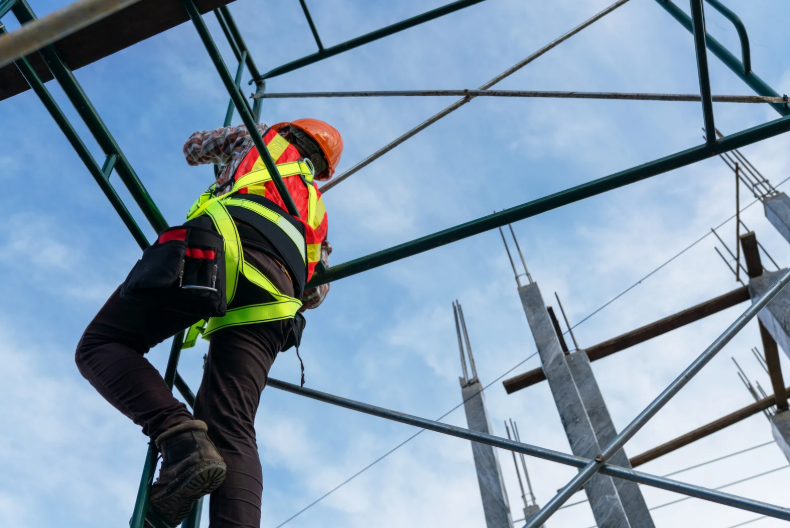
The rapid growth of high-rise construction, telecommunications towers, and industrial plants across urban and regional hubs has transformed the skyline of Malaysia. With this vertical expansion comes an increased exposure to severe elevation hazards for thousands of operational personnel every single day. Statistical overviews of workplace hazards consistently highlight that vertical ascension, scaffolding scaling, and fixed ladder climbing present some of the highest risk factors for industrial injuries. Defining the core concept of personal fall arrest systems clarifies why elevation safety demands specialised gear rather than improvised or outdated methods. The modern industrial sector across the country is undergoing a vital operational shift from reactive safety measures to proactive engineering controls. This proactive philosophy ensures that physical protection infrastructure is integrated into structural designs before workers ever set foot on a site. By recognizing the true physical dangers associated with gravity and elevation, facility owners protect their workforce while building a sustainable corporate culture dedicated to uncompromising protection standards.
Core Legislation and Compliance Frameworks Governing Vertical Lifelines
Navigating the Occupational Safety and Health Act (OSHA) 1994 and its progressive amendments requires a thorough understanding of heightened employer liability across all sectors. The Department of Occupational Safety and Health (DOSH) plays a pivotal regulatory role in enforcing strict workplace height regulations and prosecuting non-compliant entities. Understanding the legal obligations of principal employers, contractors, and safety coordinators on site is essential for avoiding severe penalties and criminal liabilities under recent legal enhancements. International standards compliance, such as EN 353-1 and relevant local certifications, provides the benchmark required for legal and safe operation within Malaysia. Regulatory frameworks dictate that safety equipment must be thoroughly documented, regularly tested, and operated exclusively by trained personnel who understand statutory mandates. Compliance is never an optional checklist item, but rather the absolute foundation upon which every legal height-dependent operation must be constructed. Regulators continue to increase enforcement frequency, meaning that installations of any Vertical Lifeline Malaysia project must align perfectly with statutory expectations to pass rigorous official audits.
Anatomy and Engineering Components of a Vertical Lifeline System
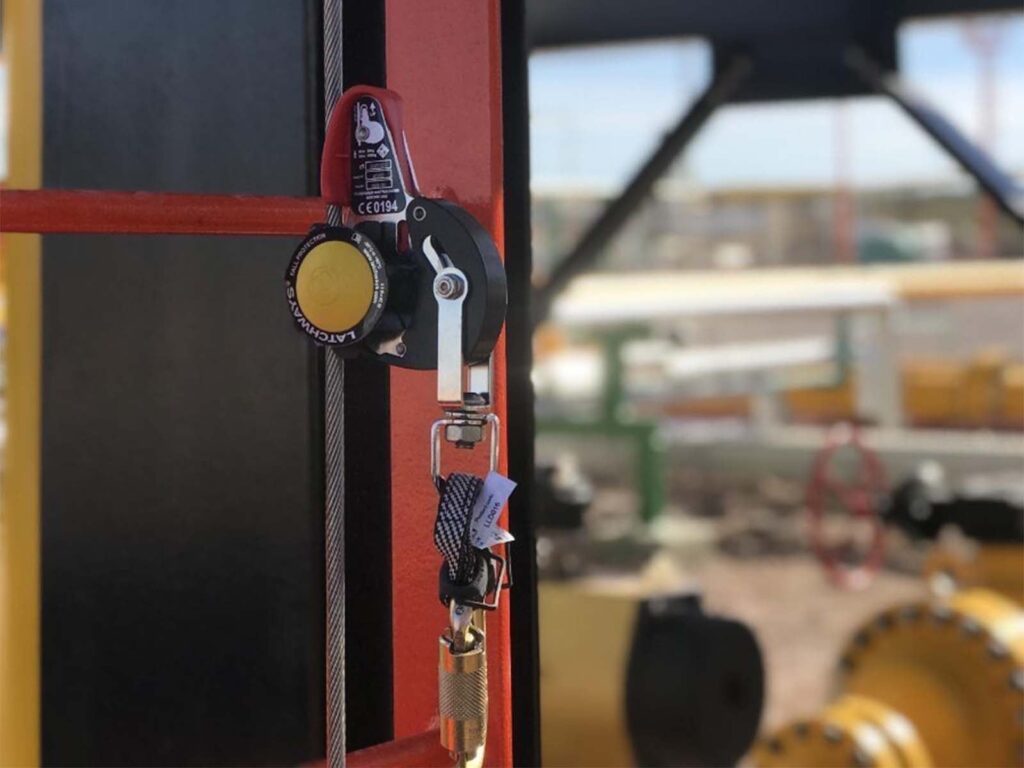
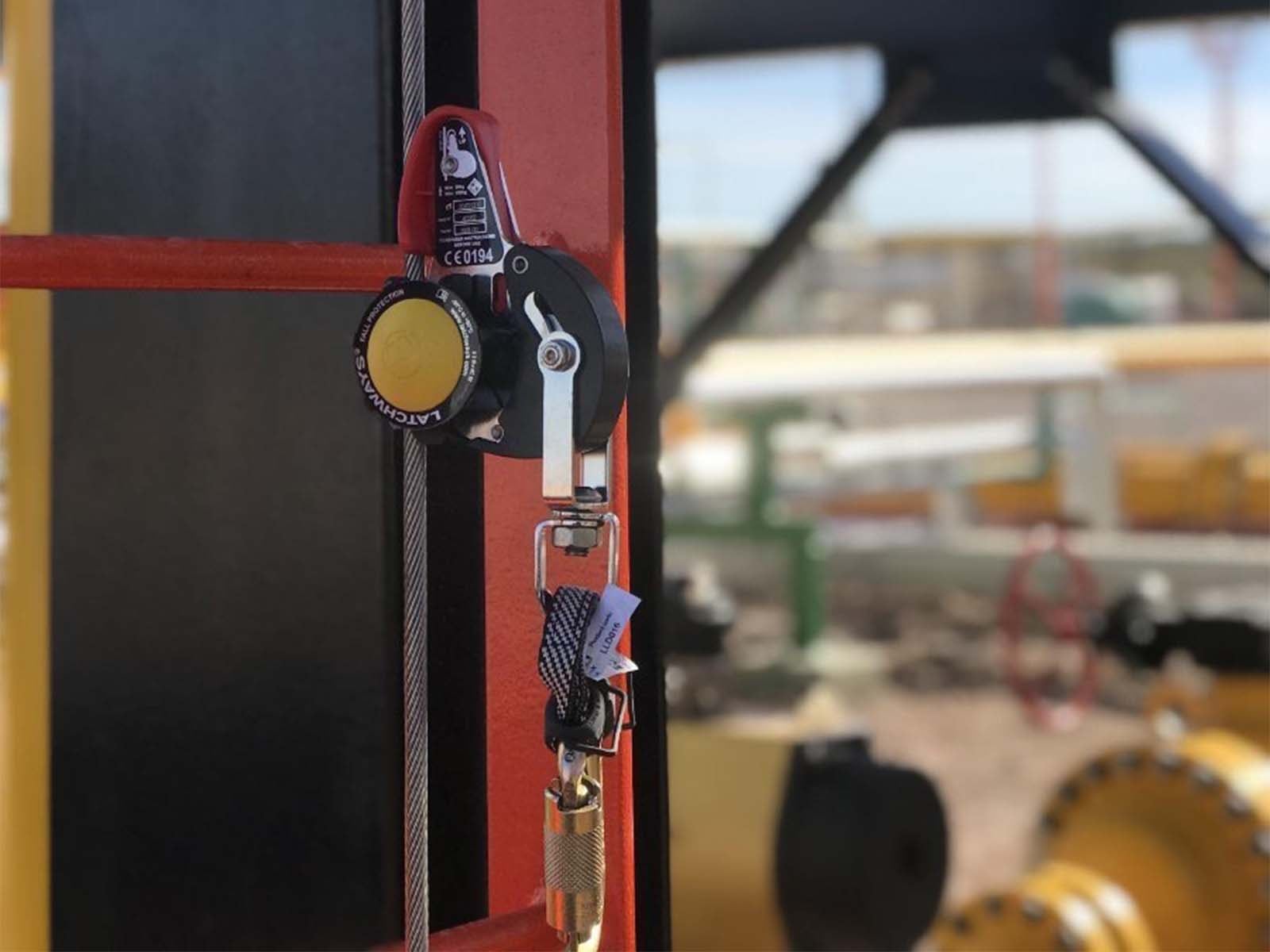
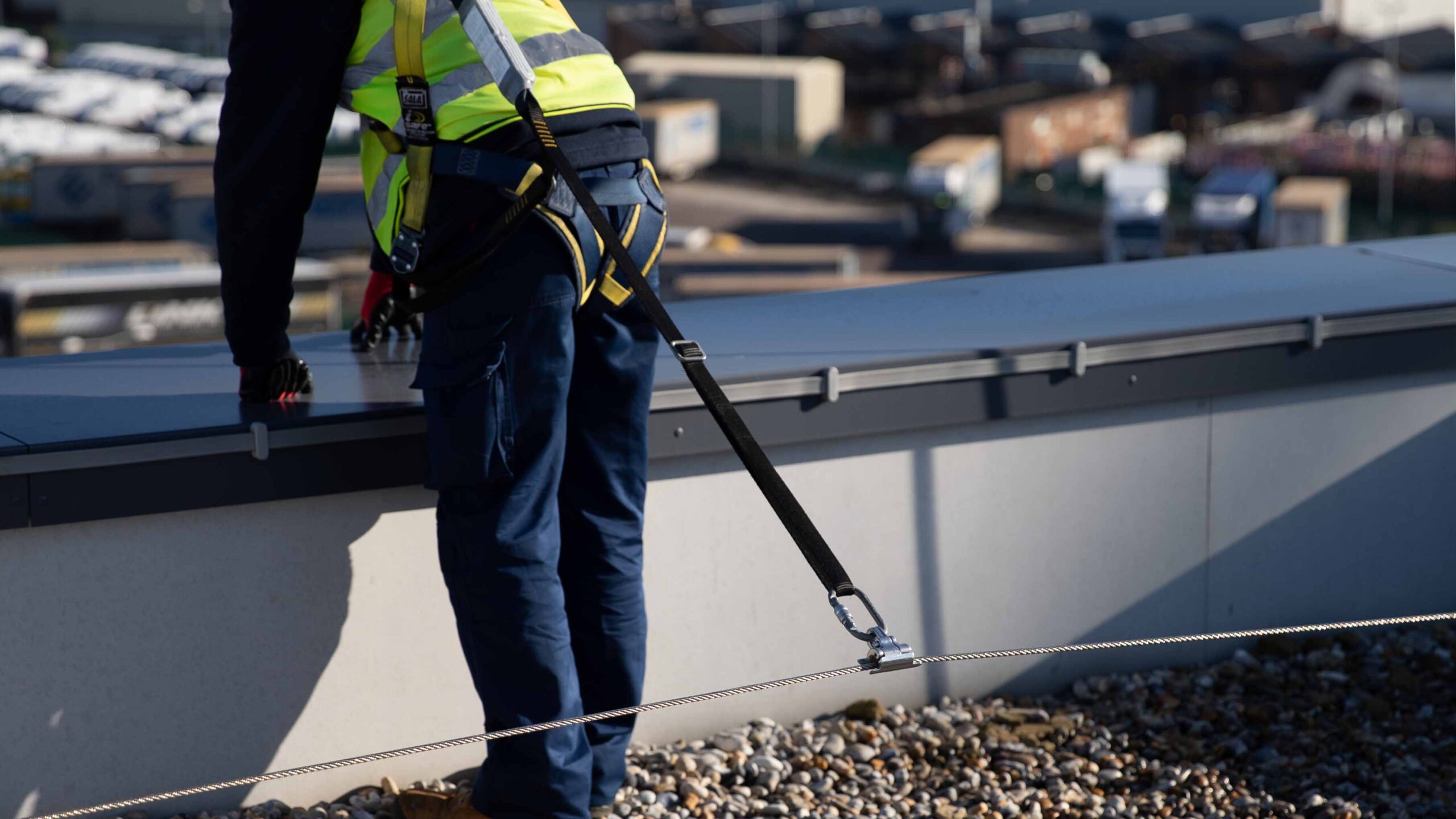
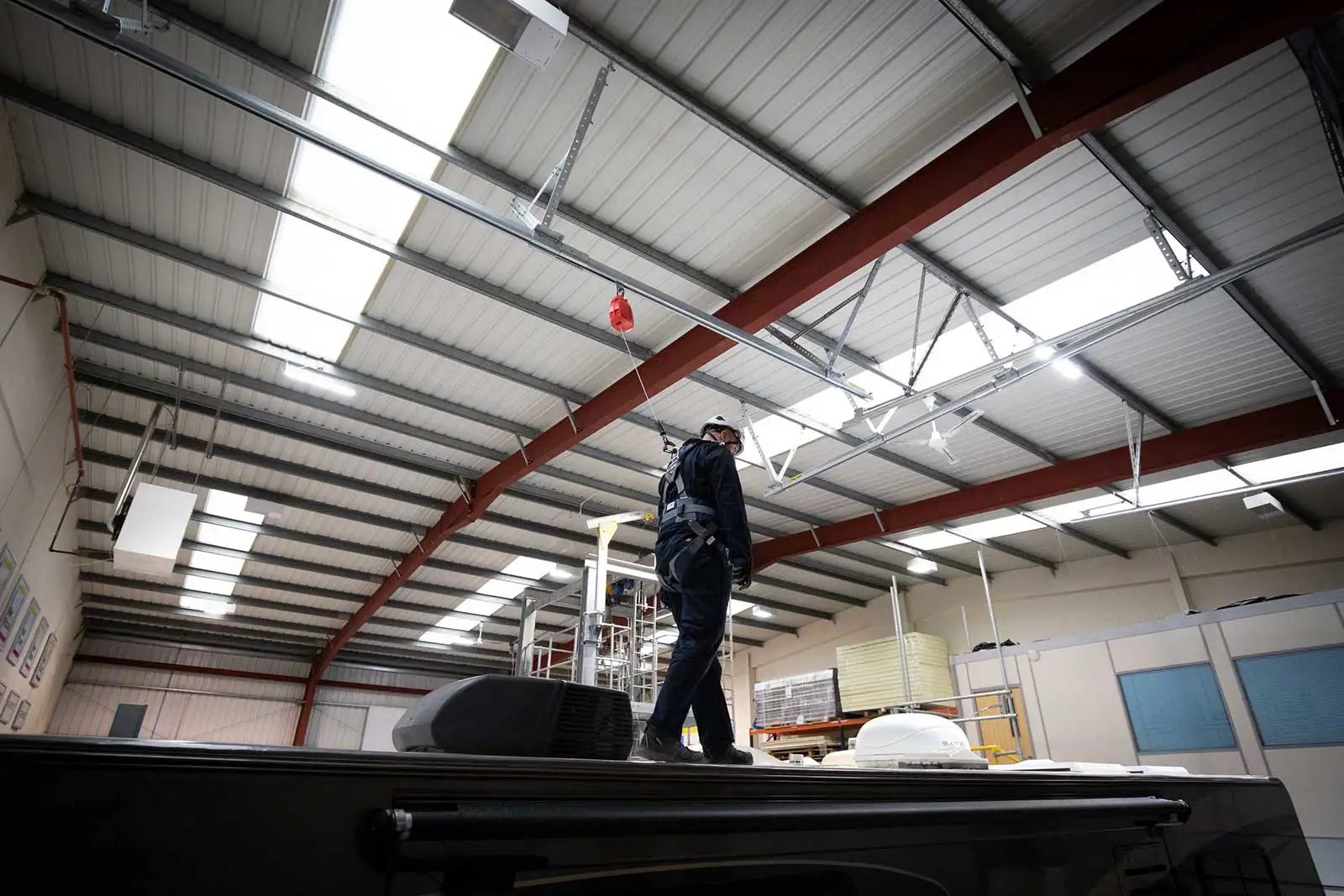
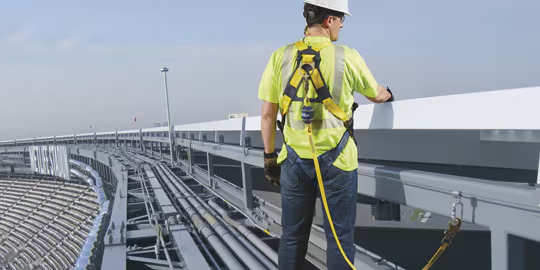
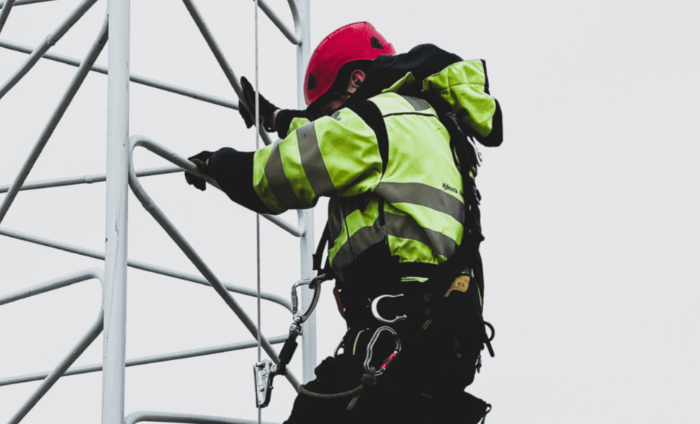
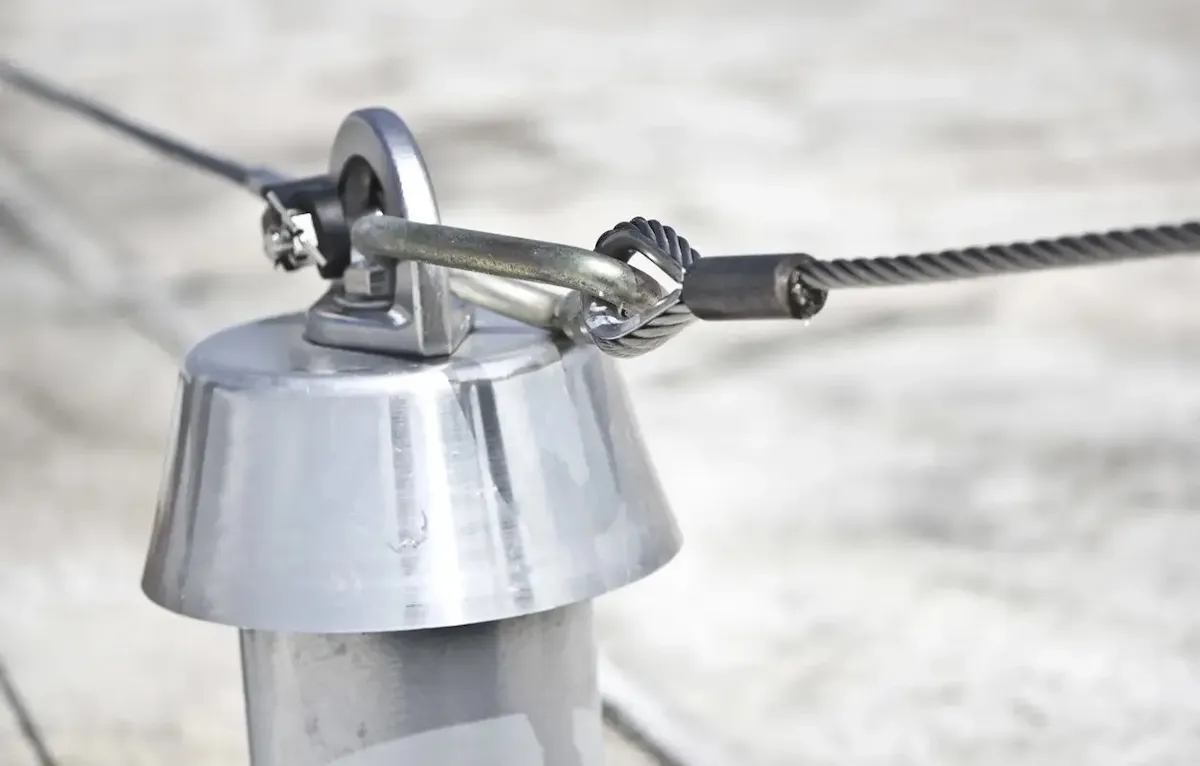
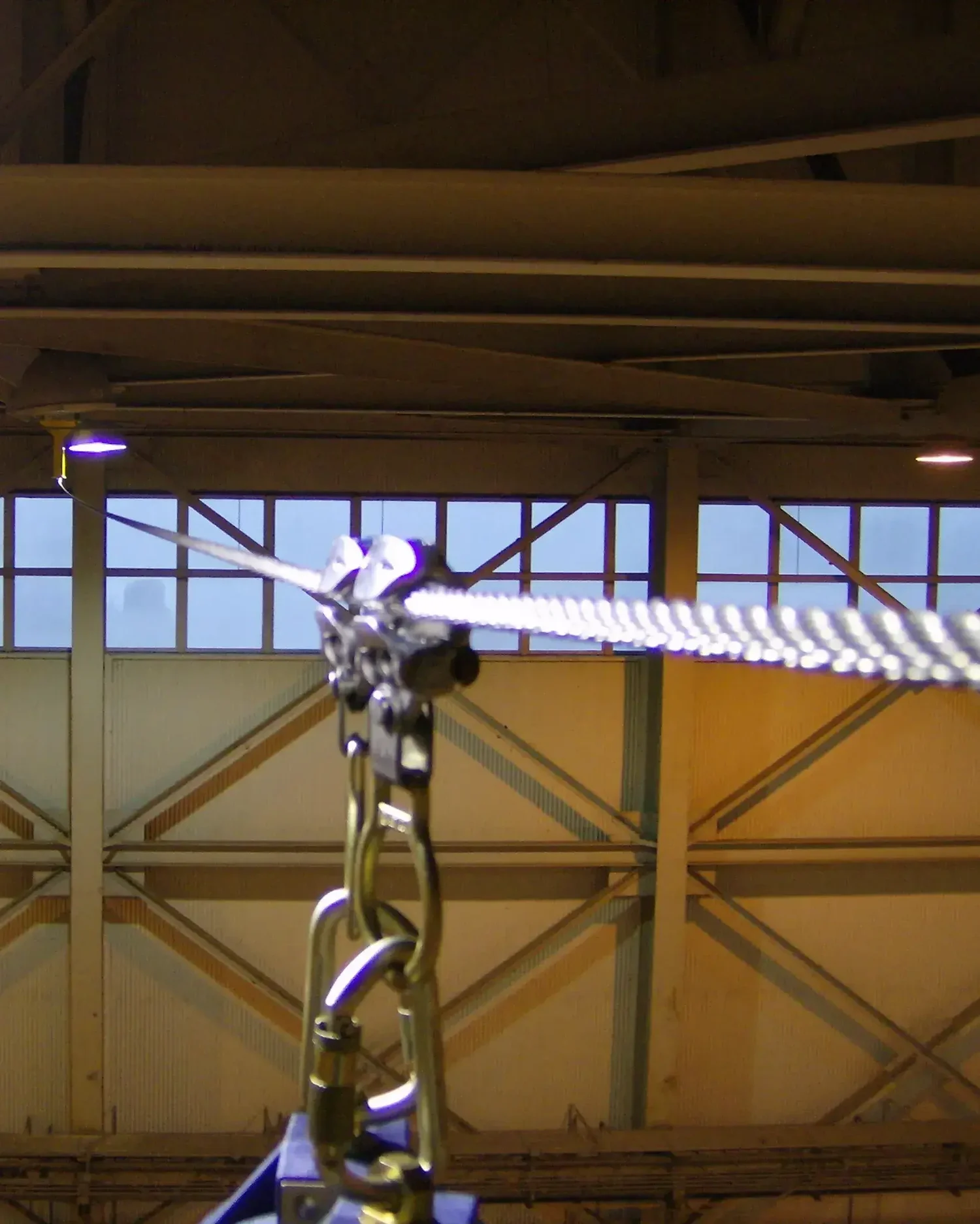
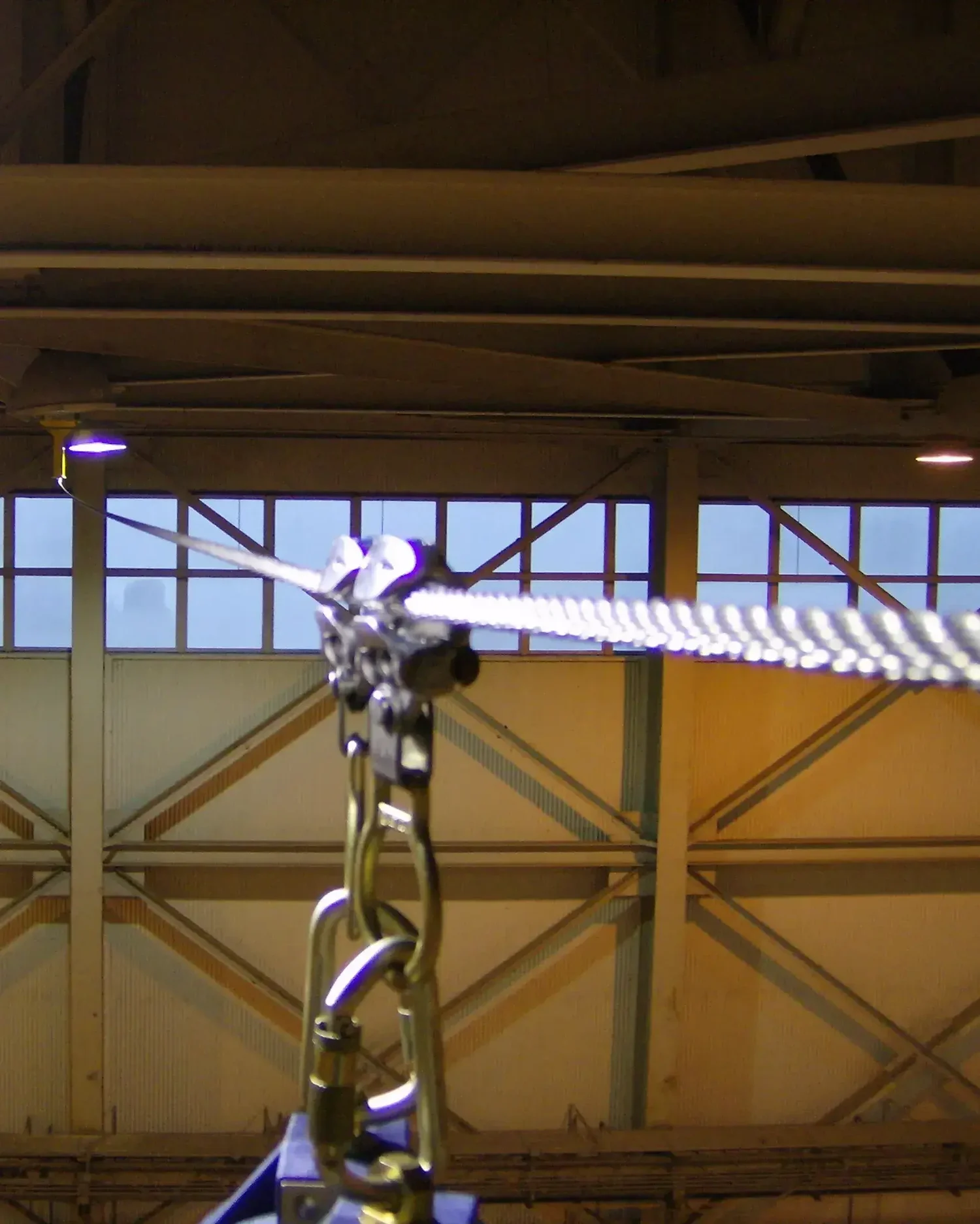
Flexible wire rope versus rigid rail configurations represent the primary baseline choices when selecting the appropriate material for local weather and environmental conditions. Top and bottom anchor assemblies must be expertly engineered to withstand massive tensile loads, structural stress, and environmental degradation over extended operational lifespans. The function and mechanism of mobile fall arresters, including specialized rope grabs and sliding trolleys, ensure that worker movement remains fluid yet fully secured. Full-body harnesses, shock-absorbing lanyards, and secure double-locking connectors act as the vital last line of defense between the active operator and the lifeline. Every single component within this engineered chain must possess certified breaking strengths that exceed the maximum anticipated dynamic forces of a fallen worker. Material selection must account for Malaysia’s high humidity and frequent rainfall, ensuring that stainless steel or galvanized coatings resist rust and mechanical fatigue. Understanding how these mechanical parts interact guarantees that the entire fall protection assembly performs flawlessly under emergency conditions.
Primary Industry Applications Across Malaysian Infrastructure
Telecommunication and cellular tower maintenance spanning rural jungles and dense urban landscapes relies heavily on continuous attachment solutions. Fixed vertical access ladders on high-rise building facades, industrial water tanks, and commercial chimney stacks require dependable fall arrest infrastructure. Oil and gas platforms, marine structures, and petrochemical refinery flare booms present harsh corrosive environments where specialized climbing protection is non-negotiable. Civil engineering projects including massive bridge pylons, structural dam walls, and large-scale public transportation depots incorporate vertical safety tracks for ongoing structural upkeep. Each distinct industry sector brings unique structural geometry and environmental challenges that influence how a Vertical Lifeline Malaysia network is configured. Contractors operating within these diverse fields must customize their access strategies to match the specific physical layouts of their operational assets. Tailoring the installation approach ensures complete worker mobility without ever compromising the continuity of the fall protection envelope.
Step-by-Step Installation Protocols and Structural Integration
Conducting preliminary site risk assessments and Hazard Identification, Risk Assessment and Risk Control (HIRARC) procedures forms the mandatory starting point for any installation. Assessing the structural integrity of concrete, reinforced steel, or metal cladding before anchor placement prevents catastrophic pull-out failures during a load event. Precise alignment, correct cable tensioning, and strategic intermediate bracket placement are vital for maintaining smooth arrest performance over long vertical runs. Post-installation load testing, certification issuance, and official documentation handovers provide facility managers with the legal proof required for regulatory compliance. Professional installers follow strict manufacturer specifications to ensure that bracket spacing and torque measurements meet exact engineering tolerances. Integrating these lifeline paths safely into existing structures requires close collaboration between structural engineers, certified riggers, and site safety supervisors. Proper execution during this phase guarantees that the completed setup functions reliably throughout its entire operational lifecycle.
Rigorous Inspection, Maintenance, and Recertification Procedures
Pre-use visual checks mandated for operators before ascending any vertical structure catch minor fraying or mechanical issues before they escalate into major hazards. Periodic formal inspections conducted by certified competent persons every few months ensure that hidden wear and tear is identified and addressed promptly. Identifying early signs of physical wear, wire fraying, atmospheric corrosion, or mechanical deformation is particularly crucial in humid tropical climates. Partnering with authorised local service providers for annual recertification guarantees adherence to statutory safety requirements and manufacturer guidelines. Maintenance logs must be meticulously updated and archived to provide a clear audit trail for government inspectors and corporate insurance underwriters. Neglecting routine upkeep can invalidate warranties and compromise the structural integrity of the entire fall arrest installation when it is needed most. Establishing a disciplined maintenance culture safeguards both the financial investment in the hardware and the precious lives of the climbing workforce.
Comprehensive Worker Training and Operational Best Practices
Competency training courses covering correct harness donning, proper fit checks, and advanced attachment techniques are essential for every participating climber. Understanding complex fall clearance calculations and free-fall distance thresholds prevents workers from misjudging the space required beneath them during an ascent. Maintaining strict three-point contact principles while scaling vertical ladders adds an extra layer of physical stability alongside mechanical fall protection. Empowering workers to exercise their legal right to halt operations under imminent workplace danger fosters an open and accountable safety culture. Practical assessments ensure that theoretical knowledge translates directly into confident, correct behaviors when personnel face high-stress elevated environments. Regular refresher sessions keep safety protocols fresh in the minds of veteran technicians and new recruits alike. Education remains one of the most powerful tools available for eliminating human error and preventing workplace injuries at height.
Formulating Emergency Response and Rescue Protocols at Height
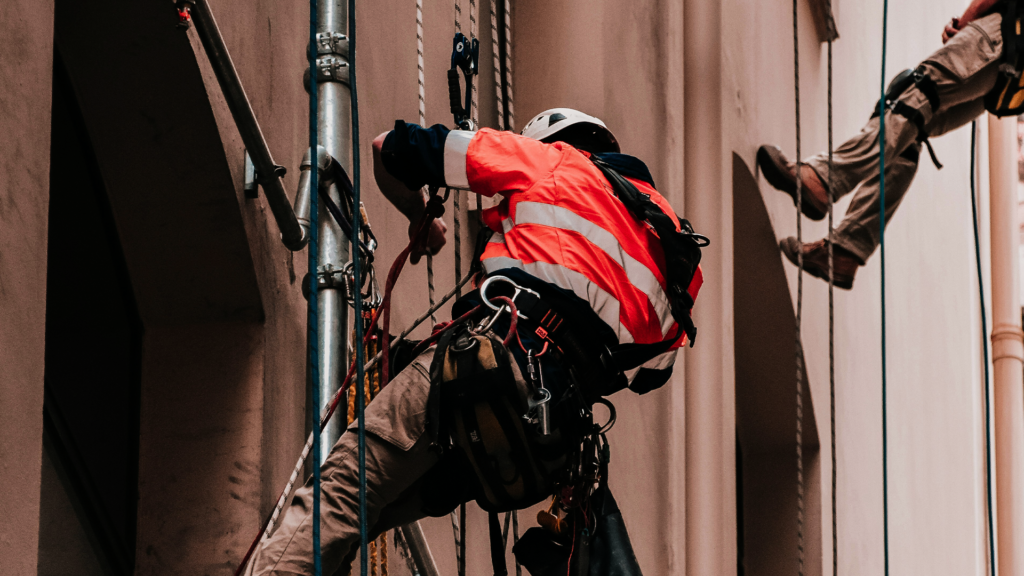
The legal mandate for having a documented, practical rescue plan prior to the commencement of work at height cannot be overstated or overlooked. Addressing suspension trauma, also known as orthostatic intolerance, highlights the critical window available for safely retrieving a suspended worker. Deploying specialized self-rescue devices, extendable rescue poles, and mechanical winch retrieval systems ensures that a stranded climber is brought down swiftly. Conducting routine on-site emergency drills ensures team readiness, role clarity, and seamless coordination during high-pressure crisis scenarios. Emergency teams must practice rigging and lowering procedures regularly to eliminate hesitation when every second counts toward saving a colleague’s life. Relying on external emergency services without an internal preliminary rescue strategy leaves too much room for fatal delays in remote or congested industrial areas. A well-prepared rescue framework transforms a potential tragedy into a manageable, controlled operational recovery.
Future Trends and Technological Innovations in Height Safety
The integration of smart sensors and Internet of Things (IoT) monitoring for real-time lifeline tension tracking represents the cutting edge of workplace safety technology. Adoption of advanced lightweight, corrosion-resistant composite materials ensures enhanced durability even within the most aggressive humid tropical environments. Digital logbooks and cloud-based asset management software streamline inspection tracking and automate compliance alerts for busy safety managers. The continuous evolution of ergonomic fall arrest gear is specifically designed to reduce physical fatigue and discomfort during prolonged high-altitude shifts. Manufacturers are continually refining mobile arresters to offer smoother gliding actions that minimize snagging and boost overall worker productivity. Embracing these modern advancements allows Malaysian industries to stay ahead of global safety standards while optimizing their day-to-day operational workflows. Innovation in protective hardware ensures that the future of vertical ascent remains safer, smarter, and more efficient than ever before.