Working at elevated locations comes with significant risks that require dependable fall protection systems. An Overhead Lifeline in Philippines has become an essential safety solution for organizations that prioritize worker protection while maintaining efficient operations. From construction sites and manufacturing plants to warehouses and power facilities, overhead lifeline systems provide continuous fall protection without limiting worker movement. As more industries invest in workplace safety, selecting the right overhead lifeline system has become an important part of risk management. Employers are also recognizing that safer working environments help reduce downtime, improve employee confidence, and support compliance with workplace safety requirements. Understanding how these systems work and where they are most effective allows businesses to make informed decisions that protect both people and productivity. This guide explores everything you need to know about choosing, installing, maintaining, and using an overhead lifeline system in the Philippines.
What Is an Overhead Lifeline?
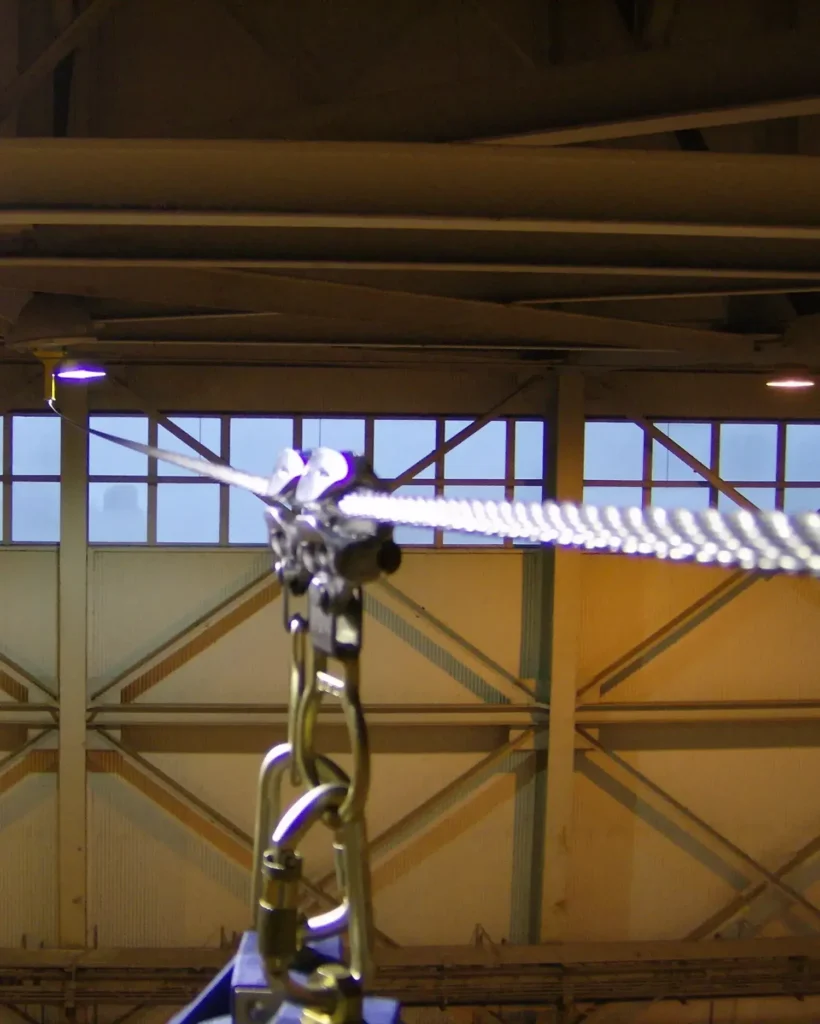
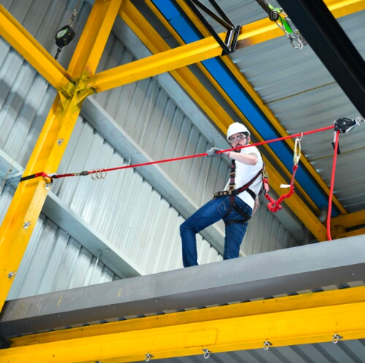
An overhead lifeline is a permanently or temporarily installed fall protection system that allows workers to remain connected while performing tasks at elevated locations. The system is designed to arrest a fall before a worker reaches the ground or another hazardous surface. Unlike traditional anchor points that limit movement, overhead lifelines allow users to travel safely across a designated work area while staying continuously attached. Most systems consist of engineered anchor points, steel cables or rigid rails, trolleys, connectors, energy absorbers, and compatible full-body harnesses. Together, these components create a reliable fall arrest solution that balances safety and mobility. Because the lifeline is positioned overhead, workers experience less interference while carrying tools or performing maintenance. Properly engineered systems also distribute fall forces efficiently, helping minimize injury risks during an emergency.
Why Overhead Lifeline Systems Are Essential in the Philippines
Many industries in the Philippines involve routine work at height, making fall protection an important investment rather than an optional feature. Rapid growth in commercial buildings, industrial facilities, transportation infrastructure, and energy projects has increased the need for dependable overhead safety systems. Falls remain one of the leading causes of serious workplace injuries, making prevention a top priority for employers. Installing an Overhead Lifeline in Philippines helps reduce exposure to fall hazards while allowing employees to complete their tasks efficiently. These systems also encourage workers to remain connected throughout the entire job instead of disconnecting to move between work areas. Businesses benefit from fewer interruptions, better safety performance, and stronger confidence among employees. Investing in preventive safety measures demonstrates a company’s commitment to protecting its workforce while supporting operational excellence.
Industries That Commonly Use Overhead Lifeline in Philippines
Construction companies rely heavily on overhead lifeline systems during structural work, roofing, bridge construction, and high-rise developments. Manufacturing facilities install them above production equipment, maintenance walkways, and machinery platforms where technicians frequently work at elevated positions. Warehouses and logistics centers use overhead lifelines to protect workers servicing storage racks, conveyor systems, and loading docks. Utility companies install these systems in power plants, substations, and renewable energy facilities where maintenance tasks occur above ground level. Oil and gas facilities depend on engineered fall protection to safeguard personnel working on elevated process equipment and platforms. Aviation maintenance organizations also use overhead lifelines when technicians inspect and repair aircraft components. Rail maintenance yards, ports, and transportation hubs similarly benefit from continuous overhead fall protection during inspection and servicing operations.
Main Types of Overhead Lifeline Systems
Overhead lifeline systems come in several configurations designed to suit different work environments. Rigid rail systems provide smooth movement with minimal deflection, making them ideal for manufacturing plants and repetitive maintenance tasks. Flexible cable systems offer greater versatility across longer spans and larger workspaces while remaining cost-effective for many facilities. Monorail systems allow workers to travel along predetermined routes, making them suitable for production lines and assembly operations. Some workplaces require fully customized systems engineered specifically for unique building layouts or specialized maintenance activities. Engineers evaluate structural capacity, worker movement, fall clearance, and operational requirements before recommending the most appropriate design. Selecting the right system ensures optimal safety, improved worker comfort, and reliable long-term performance.
Benefits of Installing an Overhead Lifeline in Philippines
Installing an Overhead Lifeline in Philippines provides several important advantages beyond regulatory compliance. Continuous attachment significantly reduces the risk of accidental falls while allowing workers to move freely throughout their assigned work areas. Improved mobility increases productivity because employees spend less time reconnecting to different anchor points. Workers also experience greater confidence when performing elevated tasks, allowing them to focus on quality and efficiency. Businesses benefit from reduced downtime associated with workplace accidents and fewer disruptions to daily operations. Properly maintained systems offer many years of dependable service, making them a valuable long-term investment. By combining safety with operational efficiency, overhead lifelines contribute to a stronger workplace safety culture.
Key Components That Determine System Performance
The effectiveness of any overhead lifeline depends on the quality and compatibility of its components. Structural anchorages must be capable of supporting the loads generated during a fall arrest event. Lifeline materials such as galvanized steel cables or aluminum rigid rails should be selected based on environmental conditions and expected usage. Trolleys and connectors must move smoothly along the system without creating unnecessary resistance for workers. Energy absorbers help reduce the forces transferred to the user and supporting structure during a fall. Compatible personal protective equipment, including full-body harnesses and self-retracting lifelines, completes the overall system. Regular inspection of every component ensures continued reliability and safe operation throughout the equipment’s service life.
Factors to Consider Before Installing an Overhead Lifeline
Every workplace has unique fall hazards that require careful planning before installation begins. Employers should first evaluate the specific tasks workers perform and identify the areas where fall protection is necessary. The number of workers who will use the system simultaneously influences the required load capacity and overall design. Structural assessments verify that existing building elements can safely support the proposed lifeline system. Fall clearance calculations help ensure sufficient distance exists to safely arrest a fall before impact occurs. Environmental factors such as corrosion, extreme temperatures, moisture, or chemical exposure should also be considered when selecting materials. Planning for future facility expansion can help organizations install systems that remain effective as operational needs evolve.
Philippine Workplace Safety Standards for Overhead Lifeline Systems
Organizations using an Overhead Lifeline in Philippines should follow applicable occupational safety requirements and recognized engineering practices. Employers have a responsibility to provide appropriate fall protection whenever employees work at hazardous heights. Proper system design begins with qualified engineering assessments that evaluate structural integrity and fall protection requirements. Installation should follow manufacturer specifications to ensure every component performs as intended. Routine inspections help identify wear, corrosion, loose hardware, or damaged equipment before these issues become safety risks. Workers should receive training on proper harness fitting, connector usage, emergency procedures, and equipment inspection techniques. Maintaining detailed inspection records further demonstrates an organization’s commitment to workplace safety and ongoing compliance.
Inspection and Maintenance Best Practices
Routine inspections are essential for preserving the performance and reliability of overhead lifeline systems. Workers should visually inspect the system before every use, looking for damaged cables, worn connectors, loose hardware, or signs of corrosion. Any unusual condition should be reported immediately and evaluated by qualified personnel before further use. Scheduled professional inspections provide a more detailed assessment of structural integrity, system alignment, and component condition. Preventive maintenance may include cleaning, lubrication of moving parts where recommended, tightening fasteners, and replacing worn components. Accurate documentation of inspections and maintenance activities supports long-term equipment management. Consistent maintenance not only extends system lifespan but also helps ensure dependable protection whenever workers perform elevated tasks.
Common Mistakes to Avoid When Using an Overhead Lifeline in Philippines
Several avoidable mistakes can reduce the effectiveness of an overhead lifeline system. Selecting a system that does not match the work environment may leave employees exposed to unnecessary risks. Installing equipment without proper structural evaluation can compromise the safety of the entire system. Some organizations overlook routine inspections, allowing damaged components to remain in service longer than they should. Using incompatible personal protective equipment may affect fall arrest performance during an emergency. Workers who have not received adequate training may unknowingly misuse connectors or bypass required safety procedures. Ignoring manufacturer recommendations regarding maintenance and inspection intervals can shorten equipment lifespan. Avoiding these common issues helps organizations maximize both worker safety and equipment reliability.
How to Choose the Right Overhead Lifeline Provider in the Philippines
Choosing the right provider is just as important as selecting the correct overhead lifeline system. Look for companies with proven experience designing and installing engineered fall protection solutions across multiple industries. A qualified provider should perform thorough site evaluations before recommending any equipment. Product quality, engineering expertise, and recognized certifications should all play important roles during supplier evaluation. Reliable providers also offer installation support, routine inspections, preventive maintenance, and technical assistance throughout the system’s lifecycle. Access to replacement components and responsive customer service helps minimize operational downtime when maintenance is required. Partnering with an experienced provider ensures businesses receive a system designed specifically for their workplace hazards and long-term operational goals.
Frequently Asked Questions
What is an overhead lifeline used for?
An overhead lifeline is designed to provide continuous fall protection for workers performing tasks at elevated locations. It allows users to remain safely connected while moving throughout designated work areas. The system reduces fall risks without restricting productivity. It is widely used across industrial, commercial, and infrastructure projects. Proper installation and maintenance are essential for dependable performance. Workers should always use compatible personal protective equipment with the system. Training is equally important to ensure safe operation.
Which industries benefit most from overhead lifeline systems in the Philippines?
Construction, manufacturing, warehousing, logistics, aviation, transportation, utilities, and energy sectors all benefit from overhead lifeline systems. Facilities that require frequent maintenance at elevated locations also gain significant advantages. Industrial processing plants commonly install these systems above equipment and production lines. Ports and shipyards use them during maintenance operations. Commercial facilities with overhead service areas can also improve worker safety. Any workplace with fall hazards should evaluate engineered fall protection options. Proper risk assessments determine the most suitable solution.
How often should an overhead lifeline be inspected?
Workers should visually inspect the system before every use. Qualified professionals should perform comprehensive inspections according to manufacturer recommendations and workplace safety policies. High-use environments may require more frequent evaluations. Inspection schedules should also consider environmental conditions such as corrosion or heavy exposure to moisture. Any damaged component should be removed from service immediately. Maintenance records should be carefully documented. Regular inspections help maintain long-term system reliability.
Can an overhead lifeline be installed in existing industrial buildings?
Yes. Many overhead lifeline systems are specifically engineered for existing facilities. Structural assessments determine whether the building can safely support the installation. Custom engineering solutions may be developed for unique layouts or operational requirements. Installation typically minimizes disruption to ongoing business activities. Every project should be evaluated individually. Qualified engineers can recommend the most effective design. Proper planning ensures long-term performance.
What is the difference between a rigid rail and a cable overhead lifeline?
Rigid rail systems offer smoother movement and minimal deflection, making them ideal for repetitive maintenance work. Cable systems provide greater flexibility across longer distances and larger workspaces. Each design has advantages depending on the work environment. Engineers evaluate facility layout, worker movement, and structural conditions before making recommendations. Both systems provide reliable fall protection when properly installed. Maintenance requirements may vary slightly between designs. Selecting the right system improves both safety and efficiency.
Is employee training required before using an overhead lifeline system?
Yes. Workers should receive comprehensive training before using any fall protection equipment. Training covers proper harness fitting, equipment inspection, connector use, emergency response procedures, and safe work practices. Refresher training helps reinforce correct habits over time. Supervisors should also understand inspection and maintenance responsibilities. Well-trained employees are more likely to use equipment correctly. Continuous education supports a stronger workplace safety culture.
How do I determine the right overhead lifeline system for my facility?
Begin with a professional site assessment that identifies workplace hazards and operational requirements. Engineers evaluate worker movement, structural capacity, fall clearance, and environmental conditions. They then recommend the most appropriate overhead lifeline design. Future expansion plans should also be considered during system selection. Choosing high-quality equipment from an experienced provider ensures dependable long-term performance. Routine inspections and maintenance further protect the investment. A customized solution delivers the highest level of worker safety.
Takeaway
An Overhead Lifeline in Philippines is one of the most effective investments organizations can make to protect employees working at height. It provides continuous fall protection, improves worker mobility, and supports safer daily operations across a wide range of industries. Choosing the right system requires careful evaluation of workplace hazards, structural conditions, and operational needs. Partnering with experienced providers, conducting regular inspections, and training employees help maximize the performance and longevity of the system. As industries continue to prioritize workplace safety, engineered overhead lifeline solutions remain an essential part of comprehensive fall protection strategies. Businesses that invest in reliable systems today are better prepared to protect their workforce while supporting efficient and productive operations for years to come.