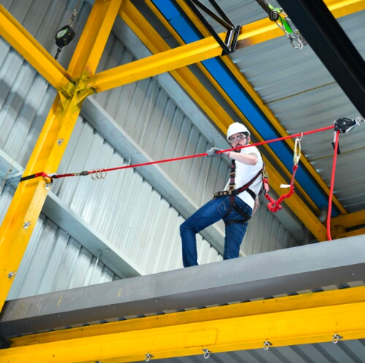
Working at height is one of the most demanding aspects of industrial and commercial operations. Whether employees are maintaining machinery, inspecting elevated structures, or performing construction activities, protecting workers from fall hazards remains a top priority. An Overhead Lifeline in Malaysia provides a dependable fall protection solution that allows workers to move safely while remaining connected to a secure anchorage point. As Malaysia continues to expand its manufacturing, logistics, construction, and energy sectors, more organizations are investing in engineered fall protection systems that improve workplace safety and support regulatory compliance. An overhead lifeline is more than just another piece of safety equipment because it forms an essential part of a comprehensive fall protection strategy. Understanding how these systems work, where they are used, and how to select the right solution can help businesses reduce risks while improving operational efficiency. This guide explores everything employers and safety professionals should know about choosing and using an Overhead Lifeline in Malaysia.
Understanding Overhead Lifeline Systems
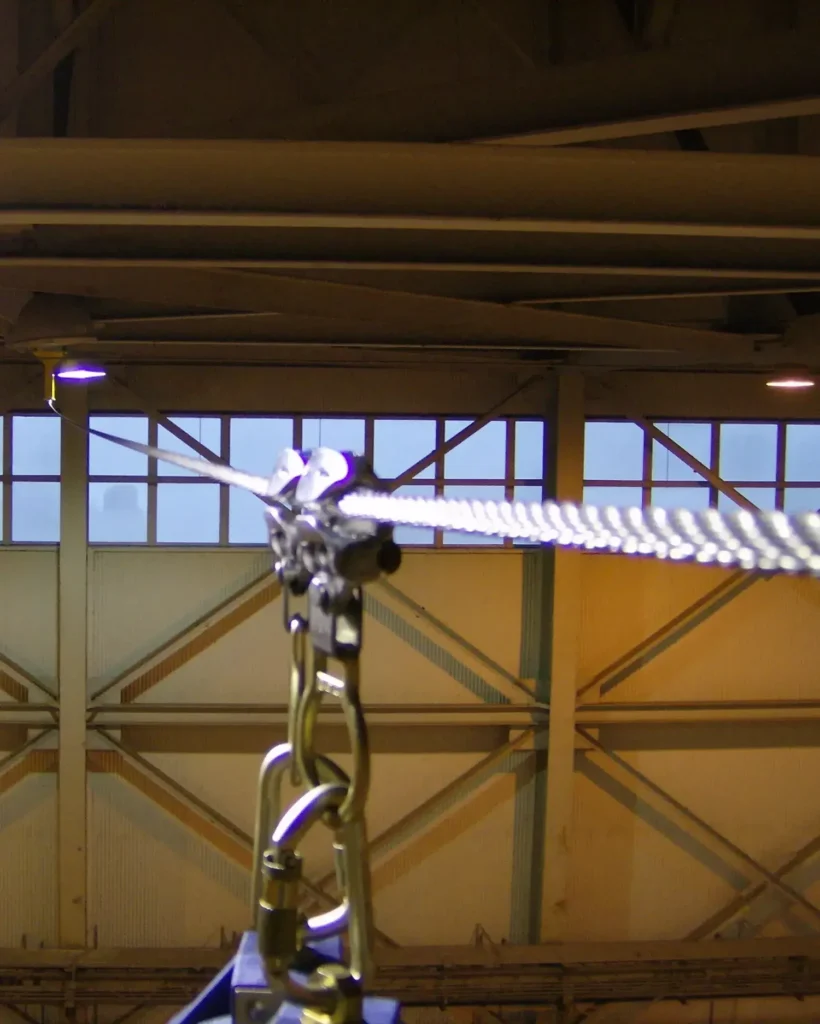
An overhead lifeline system is a fall protection solution installed above a worker’s operating area to provide continuous tie-off while performing tasks at height. Unlike temporary anchor points that require workers to disconnect and reconnect frequently, an overhead lifeline allows smooth movement across designated work zones. The system supports personal fall arrest equipment by providing a secure pathway that follows the worker throughout the task. This continuous connection significantly reduces the possibility of human error associated with repeated hook transfers. Depending on the workplace, an overhead lifeline may use rigid rails or flexible steel cables to support safe worker movement. Each system is engineered according to structural requirements, the number of users, and the specific hazards present. Investing in an Overhead Lifeline in Malaysia allows organizations to create safer environments for employees who regularly perform elevated work.
An overhead lifeline system consists of several important components that work together to provide reliable fall protection. The anchorage structure serves as the primary support for the entire system and must be capable of withstanding designated loads. Lifeline cables or rigid rails create the travel path that workers follow during their tasks. Trolleys and connectors allow users to move freely while remaining securely attached to the system. Energy absorbers help reduce the forces generated during a fall, improving worker safety and minimizing stress on the supporting structure. Full-body harnesses distribute fall forces across the body and are essential for personal protection. Every component should be compatible with the others to ensure optimal performance and safe operation.
Why Overhead Lifeline Systems Are Essential in Malaysia
Malaysia’s industrial development continues to create more workplaces where employees perform duties above ground level. Manufacturing facilities, warehouses, airports, energy plants, and construction projects all involve tasks that expose workers to fall hazards. As these industries grow, employers recognize the importance of implementing engineered fall protection systems instead of relying solely on temporary solutions. An Overhead Lifeline in Malaysia provides continuous safety while allowing workers to perform their responsibilities with greater confidence. Businesses also recognize that safer work environments contribute to improved productivity because employees can focus on their assignments instead of worrying about unsafe conditions. Modern safety programs increasingly include permanent lifeline systems as part of long-term facility planning. This proactive approach benefits both employers and workers by creating a more secure workplace.
Numerous industries rely on overhead lifeline systems every day. Construction companies use them during structural work, roof installations, and steel erection projects. Manufacturing facilities install them above production equipment requiring regular maintenance. Warehouses use overhead lifelines for elevated storage systems and maintenance platforms. Aviation maintenance crews depend on overhead protection while servicing aircraft. Oil and gas facilities utilize these systems during inspections of elevated equipment and processing structures. Utility companies and infrastructure maintenance teams also benefit from continuous fall protection while working on bridges, plants, and industrial installations.
How an Overhead Lifeline System Protects Workers
The primary purpose of an overhead lifeline system is to prevent serious injuries resulting from falls. By maintaining continuous attachment to a secure anchorage, workers remain protected even while moving across large work areas. This continuous connection reduces the likelihood of accidental disconnection during complex tasks. When a fall occurs, properly designed systems work together with personal protective equipment to limit fall distance and manage arrest forces. These engineering features help reduce the severity of potential injuries. An Overhead Lifeline in Malaysia also supports better compliance with workplace safety practices because employees are encouraged to remain connected throughout the job. Reliable fall protection creates greater confidence among workers and contributes to a stronger safety culture.
Overhead systems also improve operational efficiency by allowing workers to move naturally without repeatedly disconnecting from anchor points. This uninterrupted mobility is especially valuable when performing inspections, maintenance, cleaning, or equipment servicing over long distances. Employees can complete tasks more efficiently because they spend less time managing their fall protection equipment. Continuous mobility also minimizes interruptions that may slow project completion. Employers benefit from improved workflow while maintaining high safety standards. In many facilities, the combination of productivity and protection makes overhead lifeline systems an excellent long-term investment. The result is a safer workplace that supports both employee well-being and operational performance.
Types of Overhead Lifeline Systems Available in Malaysia
Several types of overhead lifeline systems are available to meet different workplace requirements. Rigid rail systems use engineered aluminum or steel tracks that provide exceptionally smooth movement while minimizing deflection. These systems are commonly installed inside manufacturing plants, aircraft maintenance facilities, and production environments where precision movement is essential. Flexible cable systems use high-strength steel cables stretched between anchor points and offer a cost-effective solution for many industrial applications. They are particularly suitable for large workspaces requiring extended coverage. Selecting the right system depends on structural conditions, user requirements, and operational activities. Consulting qualified professionals ensures the chosen system matches workplace needs while delivering reliable protection.
Monorail systems are another specialized option that supports workers performing repetitive tasks along fixed pathways. These systems are commonly found in assembly lines, maintenance areas, and production facilities where movement follows a predictable route. Custom-engineered overhead lifelines are designed specifically for facilities with unusual layouts or complex structural conditions. Some organizations also require portable overhead lifeline solutions that can be relocated as work progresses, while others benefit from permanent installations that provide ongoing protection for routine maintenance activities. Every workplace presents unique challenges, making careful system selection essential. An Overhead Lifeline in Malaysia should always be designed according to engineering requirements rather than using a one-size-fits-all approach. Choosing the appropriate system improves safety, usability, and long-term value for the organization.
Key Applications of Overhead Lifeline Systems
An Overhead Lifeline in Malaysia is used across a wide range of industries where employees regularly perform work at elevated locations. These systems provide continuous fall protection while allowing workers to move efficiently throughout their work area. Manufacturing facilities often install overhead lifelines above production equipment that requires routine inspection, repair, and maintenance. Warehouses benefit from these systems by protecting employees who access elevated storage racks, conveyor systems, and loading platforms. Construction companies rely on overhead lifelines during structural steel work, roofing projects, and building maintenance activities where fall hazards are present. Aviation maintenance facilities also depend on overhead systems to protect technicians servicing aircraft at varying heights. As more Malaysian industries prioritize workplace safety, overhead lifeline systems continue to become an important part of modern industrial infrastructure.
Industrial manufacturing plants frequently use overhead lifeline systems to safeguard maintenance personnel working above machinery and production lines. Scheduled equipment servicing often requires technicians to climb elevated platforms, catwalks, or structural supports where a fall could lead to serious injuries. An overhead lifeline allows workers to remain continuously connected while moving from one maintenance point to another. This improves efficiency because employees no longer need to disconnect and reconnect multiple times throughout the task. The system also minimizes downtime since workers can complete inspections with greater confidence and fewer interruptions. Manufacturing facilities appreciate the combination of improved safety and operational productivity that these systems provide. As production environments become increasingly automated, reliable fall protection remains essential for maintaining equipment safely.
Warehouse and logistics facilities also gain significant value from installing an Overhead Lifeline in Malaysia. Employees frequently perform maintenance on lighting systems, sprinkler pipes, conveyors, and elevated storage structures. These tasks often require working several meters above ground level, making fall protection a critical safety requirement. An overhead lifeline provides secure movement across large warehouse spaces while reducing the risk associated with elevated work. Workers can perform maintenance activities more efficiently because the system supports continuous mobility across the workspace. Logistics operations benefit from fewer work interruptions and better employee confidence during maintenance projects. This makes overhead lifeline systems an excellent investment for modern distribution centers.
Aircraft maintenance hangars represent another environment where overhead lifelines provide exceptional value. Aircraft technicians routinely work on wings, fuselages, and tail assemblies that require elevated access. Traditional anchor points may not provide adequate mobility for servicing large aircraft, making overhead systems the preferred solution. Rigid rail or cable lifelines allow technicians to move safely around the aircraft without compromising fall protection. This flexibility supports detailed inspections, repairs, painting, and routine maintenance activities. Reliable worker protection also helps maintenance providers meet strict aviation safety expectations. Overhead lifelines contribute to safer and more efficient aircraft servicing operations throughout Malaysia.
Bridge maintenance, utility facilities, power plants, and water treatment plants also rely on engineered fall protection systems. Maintenance personnel often inspect elevated structures, pipelines, tanks, and equipment that require continuous access at height. An overhead lifeline enables these workers to remain securely attached while performing complex maintenance procedures. The system improves safety without restricting movement, allowing technicians to complete their responsibilities more effectively. Organizations responsible for critical infrastructure benefit from reduced workplace risks and better compliance with internal safety programs. These industries recognize that preventing falls protects both employees and valuable operational assets. Investing in permanent fall protection supports long-term maintenance planning while improving workplace safety standards.
Key Features to Look for When Choosing an Overhead Lifeline in Malaysia
Selecting the right Overhead Lifeline in Malaysia requires careful evaluation of several important features. High-quality systems are designed to provide reliable fall protection while supporting daily operational activities. One of the most important considerations is the strength of the materials used throughout the system. Steel cables, aluminum rails, brackets, and anchorage components should be engineered to withstand designated loads under demanding working conditions. Durable construction extends the service life of the system while reducing maintenance requirements over time. Investing in premium materials often results in better long-term performance and lower ownership costs. Choosing a trusted solution helps organizations protect both workers and business operations.
Malaysia’s tropical climate presents unique environmental challenges that should be considered during system selection. High humidity, frequent rainfall, and exposure to industrial environments can accelerate corrosion if unsuitable materials are used. Stainless steel components, galvanized steel cables, and corrosion-resistant finishes help maintain structural integrity for many years. Weather-resistant designs reduce maintenance costs while improving long-term reliability. Organizations operating near coastal environments should pay particular attention to corrosion protection because salt exposure may increase material deterioration. Selecting components designed for harsh environmental conditions improves overall system durability. Proper material selection supports safe performance throughout the equipment’s service life.
Smooth worker mobility is another essential feature of an effective overhead lifeline system. High-quality trolleys should move freely along the rail or cable with minimal resistance, allowing workers to perform tasks naturally. Reduced friction helps minimize fatigue while encouraging employees to remain connected throughout the work process. Compatibility with existing personal protective equipment is equally important because not all connectors, harnesses, and lanyards function properly together. Organizations should verify that every component meets manufacturer recommendations before use. A fully compatible fall protection system performs more effectively during normal operation and emergency situations. Careful planning ensures the entire safety system functions as intended.
Ease of inspection and maintenance should also influence purchasing decisions. Components that allow straightforward visual inspections encourage regular maintenance and simplify compliance with workplace safety procedures. Clearly labeled parts, accessible anchorage points, and replaceable wear components make long-term servicing more manageable. Facilities planning future expansion may also benefit from modular overhead lifeline systems that can be extended as operations grow. Flexible system designs reduce the need for major structural modifications when facilities expand or production layouts change. Organizations that anticipate future growth often realize greater value from scalable fall protection solutions. Considering future operational needs during system selection helps maximize long-term return on investment.
Malaysian Safety Standards and Compliance Requirements
Organizations installing an Overhead Lifeline in Malaysia should ensure their fall protection systems support applicable workplace safety regulations and recognized engineering standards. Compliance demonstrates an organization’s commitment to protecting employees while reducing workplace risks. Employers have a responsibility to identify fall hazards and implement appropriate protective measures before work begins. Properly designed overhead lifeline systems help satisfy these responsibilities by providing continuous fall protection for employees working at height. Compliance also encourages regular inspections, documentation, and preventive maintenance that improve long-term system reliability. Establishing strong safety practices benefits both employers and employees by creating safer working environments. Following recognized standards also supports consistency across multiple job sites.
Many organizations reference internationally recognized standards when selecting overhead lifeline equipment. These standards provide guidance for design, testing, installation, inspection, and performance requirements. Working with experienced engineers and qualified installers helps ensure systems are designed according to accepted engineering principles. Professional installation also verifies that supporting structures are capable of handling required loads. Regular inspections performed by competent personnel help identify wear, damage, or environmental effects before they become safety concerns. Thorough documentation demonstrates responsible equipment management while supporting workplace safety audits. Maintaining complete inspection records contributes to a more organized and reliable fall protection program.
Employee training remains another essential element of compliance. Even the best overhead lifeline system cannot provide effective protection if workers do not understand how to use it correctly. Training should include proper harness fitting, equipment inspection, connection procedures, emergency response planning, and safe movement techniques. Refresher training helps reinforce safe work practices as employees gain experience. Supervisors should also monitor workplace activities to verify that fall protection procedures are consistently followed. Continuous education strengthens the organization’s overall safety culture while reducing preventable incidents. Well-trained employees are more likely to use their equipment correctly and confidently.
Factors to Consider Before Installing an Overhead Lifeline
Before investing in an Overhead Lifeline in Malaysia, organizations should conduct a detailed evaluation of their workplace requirements. Every facility has different structural conditions, operational activities, and worker movement patterns that influence system design. A comprehensive risk assessment identifies locations where fall hazards exist and determines the most appropriate protection strategy. Understanding how employees move throughout the work area helps engineers design systems that provide continuous protection without unnecessary restrictions. Early planning also helps avoid costly modifications later in the installation process. Careful evaluation ensures the selected system delivers both safety and operational efficiency. Proper planning forms the foundation of a successful fall protection program.
Structural capacity is one of the most important engineering considerations during system design. Supporting beams, columns, and roof structures must be capable of carrying anticipated loads generated during normal operation and potential fall arrest situations. Professional structural evaluations verify whether existing infrastructure can safely support the proposed lifeline system. In some cases, reinforcement may be required before installation begins. Understanding these requirements early helps organizations budget appropriately while avoiding project delays. Engineering assessments contribute to both worker safety and long-term system reliability. Proper structural design ensures dependable performance throughout the equipment’s service life.
Organizations should also consider the number of simultaneous users expected to access the system. Some overhead lifelines are designed for a single worker, while others safely accommodate multiple users working at the same time. Future operational growth should also influence system selection because expanding facilities may require additional coverage later. Environmental conditions, maintenance accessibility, and inspection requirements should all be reviewed before finalizing the design. Budget considerations remain important, but selecting a system based solely on initial cost may not provide the best long-term value. Evaluating total lifecycle performance often results in a more practical investment. A carefully planned overhead lifeline system provides reliable protection for many years.
Installation Best Practices
Professional installation is essential for maximizing the performance of an Overhead Lifeline in Malaysia. Every installation begins with a detailed site assessment to evaluate structural conditions, worker access routes, and potential hazards. Engineers use this information to develop a customized design that provides continuous protection while supporting operational requirements. Proper planning minimizes installation challenges and helps ensure efficient project completion. Each component should be installed according to manufacturer specifications and verified through engineering review. Accurate installation supports reliable long-term performance under demanding industrial conditions. Careful attention to detail helps create a dependable fall protection system.
After installation, the entire system should undergo comprehensive testing before being placed into service. Load testing, component inspections, and movement verification help confirm that every part functions correctly. Workers should also receive practical orientation before using the new system. This familiarization allows employees to understand connection procedures, safe movement techniques, and equipment limitations. Supervisors should encourage workers to inspect their equipment before every use and immediately report any concerns. Ongoing inspections and preventive maintenance preserve system performance throughout its service life. Combining quality installation with continuous maintenance helps organizations achieve the highest level of workplace safety.
Inspection and Maintenance Guidelines
Routine inspection and maintenance are essential for preserving the reliability of an Overhead Lifeline in Malaysia. Even the highest-quality fall protection system requires regular attention to ensure it continues performing as designed. Environmental exposure, daily use, and normal wear can gradually affect cables, rails, connectors, and anchorage points. Establishing a structured inspection schedule allows organizations to identify potential issues before they develop into serious safety concerns. Preventive maintenance also extends the service life of the equipment while protecting the organization’s investment. A well-maintained overhead lifeline supports worker confidence because employees know they are relying on equipment that has been properly cared for. Consistent inspections form an important part of every effective workplace safety program.
Daily visual inspections should be performed before each use by workers who are trained to recognize obvious signs of damage. Employees should examine harnesses, connectors, lanyards, trolleys, and attachment points for signs of excessive wear, corrosion, deformation, loose hardware, or other abnormalities. Any unusual condition should be reported immediately so the equipment can be evaluated by qualified personnel before further use. Workers should never attempt to repair damaged fall protection equipment themselves unless authorized by the manufacturer or a competent professional. Simple visual checks require only a few minutes but can significantly reduce the likelihood of equipment failure. Encouraging employees to participate actively in inspection procedures strengthens workplace safety awareness. Small issues identified early are generally easier and less costly to address than major equipment failures.
Scheduled inspections performed by competent personnel provide a more detailed evaluation of the entire system. These inspections often include checking structural anchorages, measuring cable tension, verifying rail alignment, inspecting moving components, and confirming that all hardware remains secure. Detailed documentation should be maintained after every inspection to create a complete service history for the system. Inspection records demonstrate responsible equipment management while making it easier to track recurring maintenance needs. Organizations should also establish clear procedures for removing damaged components from service until appropriate repairs or replacements have been completed. Preventive maintenance minimizes unexpected downtime while supporting long-term operational reliability. Regular professional evaluations help ensure that the Overhead Lifeline in Malaysia continues to provide dependable protection throughout its service life.
Environmental conditions should also be considered during maintenance planning. Facilities located near coastal areas may experience increased salt exposure, while heavy industrial environments may expose equipment to chemicals, dust, or airborne contaminants. Cleaning components according to manufacturer recommendations helps prevent premature deterioration and maintains proper equipment performance. Lubrication of approved moving parts should be completed using recommended products to avoid damaging the equipment. Organizations should avoid modifying or replacing components with incompatible parts because doing so may affect system performance. Maintaining original equipment specifications supports both safety and long-term durability. A proactive maintenance program ultimately protects employees while reducing unexpected repair costs.
Common Mistakes to Avoid
Although overhead lifeline systems are highly effective, certain mistakes can reduce their performance or create unnecessary workplace risks. One common mistake is selecting a fall protection system based primarily on price rather than operational requirements. Every workplace has unique structural conditions, employee work patterns, and safety challenges that should influence system selection. Choosing an unsuitable system may limit worker mobility or fail to provide adequate coverage for specific tasks. Investing in a properly engineered solution generally provides better long-term value than choosing the least expensive option. Organizations should evaluate performance, compatibility, durability, and future expansion needs before making purchasing decisions. Careful planning helps ensure the system meets both current and future operational demands.
Another frequent mistake involves overlooking structural engineering requirements before installation. Supporting beams, roof structures, and anchor points must be capable of handling anticipated loads during normal use and fall arrest situations. Installing a lifeline without verifying structural capacity can compromise the effectiveness of the entire system. Professional engineering assessments provide valuable guidance during project planning and reduce the likelihood of costly modifications later. Organizations should also avoid assuming that an existing structure automatically meets installation requirements. Every project should include a thorough structural evaluation performed by qualified professionals. Strong engineering foundations contribute directly to long-term worker safety.
Routine inspections are sometimes delayed because equipment appears to be functioning normally. Unfortunately, internal wear, corrosion, or minor component damage may not always be obvious during daily operations. Skipping scheduled inspections increases the likelihood that developing problems will remain undetected until they become more serious. Organizations should establish formal maintenance schedules and ensure inspections occur consistently throughout the year. Inspection reminders, maintenance logs, and documented service records help maintain accountability. Consistent maintenance protects both employees and valuable fall protection equipment. Preventive action is always preferable to emergency repairs.
Using incompatible personal protective equipment is another mistake that should be avoided. Harnesses, connectors, lanyards, and energy absorbers should always be compatible with the installed overhead lifeline system. Mixing components from different manufacturers without verifying compatibility may affect system performance during a fall event. Employees should also receive ongoing training to ensure they understand proper equipment use, connection procedures, and safe work practices. Refresher training reinforces safe behaviors and helps workers remain familiar with current safety procedures. Supervisors should regularly observe work activities to confirm that fall protection equipment is being used correctly. Proper equipment selection combined with effective training creates a safer and more productive workplace.
Future Trends in Overhead Lifeline Systems in Malaysia
As workplace safety technology continues to advance, the future of the Overhead Lifeline in Malaysia is becoming increasingly sophisticated. Modern fall protection systems are being designed with greater emphasis on worker mobility, simplified maintenance, and enhanced durability. Manufacturers continue developing lighter materials that maintain high structural strength while reducing installation complexity. Improved engineering techniques also allow overhead lifeline systems to be integrated more efficiently into existing facilities without extensive structural modifications. These innovations provide organizations with greater flexibility when planning future safety improvements. Continuous technological development is helping businesses achieve higher safety standards while supporting operational efficiency. The future of fall protection is focused on making safety both more effective and easier to implement.
Smart monitoring technology is becoming an increasingly valuable addition to engineered fall protection systems. Some modern solutions incorporate sensors capable of monitoring equipment status, recording inspection history, or identifying unusual loading conditions. Digital maintenance records simplify equipment management by providing organized documentation for inspections and servicing activities. Facility managers can access maintenance information more efficiently, improving long-term planning and reducing administrative workload. As digital technology continues to evolve, organizations may benefit from predictive maintenance strategies that identify potential issues before equipment performance is affected. These advancements contribute to greater system reliability while supporting continuous workplace improvement. Technology is steadily transforming the way organizations manage worker safety.
Sustainability is also influencing the development of modern overhead lifeline systems. Manufacturers are placing greater emphasis on corrosion-resistant materials, modular components, and long-lasting designs that reduce waste over time. Modular systems allow organizations to expand their fall protection coverage without replacing the entire installation, making future upgrades more practical and cost-effective. Improved manufacturing techniques are producing components that require less maintenance while maintaining exceptional durability in demanding industrial environments. As Malaysia continues expanding its industrial and infrastructure sectors, demand for advanced fall protection solutions is expected to increase. Businesses that invest in modern overhead lifeline technology position themselves for safer and more efficient operations in the years ahead. Continuous innovation ensures that fall protection systems remain an important part of workplace safety planning.
Frequently Asked Questions (FAQ)
What is an overhead lifeline system?
An overhead lifeline system is a permanent or semi-permanent fall protection solution installed above workers to provide continuous attachment while performing tasks at height. It works together with harnesses, connectors, and energy absorbers to help reduce the risk of serious injuries caused by falls.
Who should use an Overhead Lifeline in Malaysia?
Industries such as construction, manufacturing, warehousing, aviation, oil and gas, utilities, logistics, and infrastructure maintenance commonly benefit from an Overhead Lifeline in Malaysia. Any workplace where employees regularly work above ground level should evaluate whether an engineered lifeline system is appropriate.
What is the difference between a rigid rail system and a cable lifeline system?
Rigid rail systems use engineered tracks that provide smooth movement with minimal deflection, making them ideal for precision work and indoor facilities. Cable systems use high-strength steel cables and are often preferred for larger work areas that require greater flexibility and longer spans.
How often should an overhead lifeline system be inspected?
Workers should visually inspect the equipment before each use, while qualified personnel should perform comprehensive inspections according to the manufacturer’s recommendations and the organization’s maintenance schedule. Inspection frequency may increase in harsh environments or high-use applications.
Can an overhead lifeline system be customized?
Yes. Many systems are custom engineered to match specific building layouts, structural conditions, worker movement patterns, and operational requirements. Customized designs help maximize both safety and productivity.
How long does an overhead lifeline system last?
The service life depends on factors such as environmental conditions, usage frequency, maintenance quality, and manufacturer specifications. Proper inspection and preventive maintenance significantly extend the lifespan of the system.
Why is professional installation important?
Professional installation ensures the system is properly engineered, securely anchored, and fully compatible with the supporting structure. It also helps verify that the system performs according to design expectations and applicable safety requirements.
Takeaway
Choosing the right Overhead Lifeline in Malaysia is an investment in worker protection, operational efficiency, and long-term workplace safety. A properly engineered system provides continuous fall protection while allowing employees to move confidently during elevated tasks across industrial and commercial environments. Careful planning, professional installation, regular inspections, and ongoing worker training all contribute to dependable system performance. Organizations that prioritize preventive maintenance and equipment compatibility can maximize the value of their fall protection investment for many years. As technology continues to improve, modern overhead lifeline systems are becoming more durable, adaptable, and easier to manage. Businesses that implement comprehensive fall protection solutions create safer workplaces while supporting productivity and regulatory compliance. Making workplace safety a daily priority benefits employees, strengthens organizational performance, and helps build a culture where every worker can perform at their best with confidence.