Laboratory Testing plays a crucial role in the construction industry by evaluating the quality and performance of materials used in projects. Construction projects rely on reliable materials to maintain structural integrity, safety, and durability. Laboratory Testing ensures that soil, concrete, and other construction materials meet the required standards and specifications, reducing risks and enhancing long-term performance. For contractors, engineers, and developers, choosing an accredited laboratory provides confidence that materials are thoroughly assessed using precise and standardized methods. Inch-On Materials Testing Laboratory, a DPWH-BRS accredited facility, provides comprehensive Laboratory Testing services for construction projects of all scales.
What is Laboratory Testing?
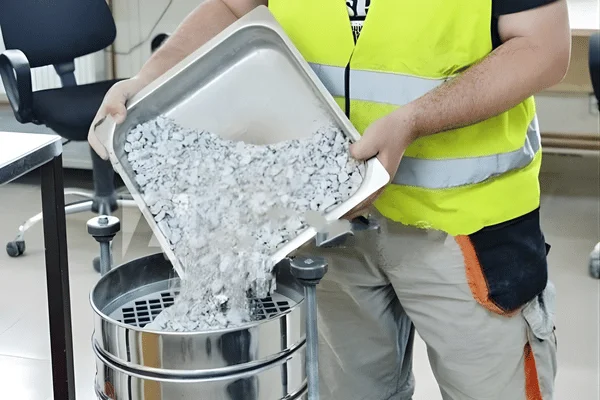
Laboratory Testing is the controlled evaluation of soil, concrete, and other construction materials using specialized equipment and standardized procedures. Unlike field testing, Laboratory Testing allows for a detailed examination of material properties under controlled conditions, providing more accurate and reliable results. This testing helps identify material weaknesses, inconsistencies, or compliance issues before construction progresses. Engineers use Laboratory Testing data to make informed decisions about project design, safety measures, and material selection. By analyzing soil composition, concrete strength, and other critical parameters, Laboratory Testing ensures that construction materials will perform as expected under real-world conditions.
Laboratory Testing is essential for verifying that materials comply with industry standards, such as ASTM and AASHTO, which set guidelines for testing procedures and acceptable material performance. Without proper Laboratory Testing, construction projects risk delays, cost overruns, and potential structural failures. The process includes sample collection, preparation, testing, and detailed reporting, making it a cornerstone of quality assurance in the construction industry.
Core Services Offered
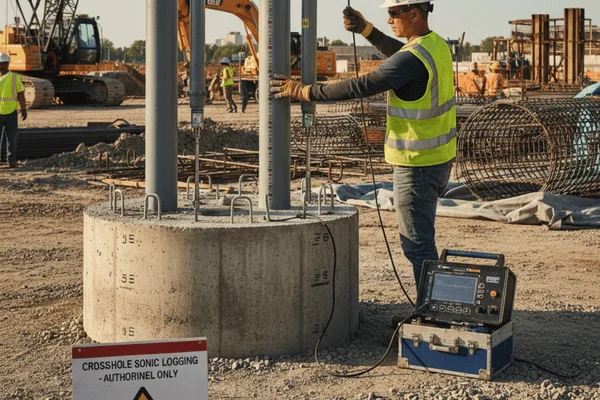
Laboratory Testing covers a broad range of services that address various material needs in construction projects. These services focus on assessing soil, concrete, aggregates, asphalt, and other critical materials. Inch-On Materials Testing Laboratory provides both laboratory and field-based assessments to deliver accurate results for project teams.
Soil Testing
Soil testing is a fundamental component of Laboratory Testing because the soil serves as the foundation for all structures. Proper evaluation of soil properties ensures that foundations are designed for stability and durability. Laboratory Testing of soil includes assessments of particle size, density, moisture content, compaction, and strength. These tests determine how soil will respond under load and environmental conditions, allowing engineers to design foundations that minimize settlement, prevent erosion, and support long-term performance.
Laboratory Testing of soil also identifies potential issues such as high clay content, weak subgrade, or contamination. Detecting these problems early allows project teams to implement mitigation measures, such as soil stabilization or reinforcement, ensuring the project remains safe and reliable.
Concrete and Construction Materials Testing
Concrete is one of the most widely used materials in construction, making its quality critical for structural integrity. Laboratory Testing of concrete evaluates compressive strength, workability, density, and durability under different conditions. Testing ensures that concrete mixtures meet project specifications and perform as expected over time. Laboratory Testing also includes assessment of aggregates, asphalt, masonry, and other construction materials.
Proper Laboratory Testing identifies material inconsistencies, verifies supplier quality, and ensures compliance with standards. For large-scale projects, such as bridges, highways, or high-rise buildings, Laboratory Testing reduces the risk of structural failures and provides assurance that materials will perform as designed. Inch-On Materials Testing Laboratory applies precise procedures to deliver accurate data that informs project decisions and ensures long-lasting construction quality.
Specialized Equipment
Laboratory Testing relies on state-of-the-art equipment to perform accurate assessments. Modern testing machinery measures material strength, compaction, density, moisture content, and chemical properties with precision. Advanced instruments in Laboratory Testing include universal testing machines, concrete compression testers, soil triaxial devices, and spectrometers. These tools enable laboratories to provide detailed reports that guide engineers, architects, and contractors.
The accuracy and reliability of Laboratory Testing depend on properly calibrated equipment and strict adherence to standardized testing methods. Inch-On Materials Testing Laboratory maintains high-quality instruments and follows ASTM and AASHTO standards to ensure results reflect real-world material performance.
Industry Standards and Accreditation
Accreditation and adherence to industry standards are critical in Laboratory Testing. Inch-On Materials Testing Laboratory operates under strict compliance with ASTM and AASHTO standards, which are recognized worldwide for construction material assessment. These standards outline the proper procedures for testing soil, concrete, aggregates, and other construction materials.
Laboratories accredited by the Department of Public Works and Highways – Bureau of Research and Standards (DPWH-BRS) are authorized to conduct official tests that are recognized for regulatory compliance. Accreditation assures clients that Laboratory Testing is reliable, accurate, and performed according to national and international guidelines. Choosing a DPWH-BRS accredited laboratory eliminates uncertainties in material quality and provides engineers and contractors with data they can trust.
Advantages of Laboratory Testing
Laboratory Testing offers numerous benefits for construction projects, making it an essential step in quality control and risk management. Early detection of material issues allows project teams to implement corrective measures before construction progresses, preventing delays and additional costs.
Accurate Laboratory Testing ensures materials meet project specifications and comply with industry standards. By verifying concrete strength, soil stability, and material consistency, Laboratory Testing protects the structural integrity of buildings, roads, and infrastructure. This process reduces long-term maintenance costs and increases the lifespan of construction projects.
Laboratory Testing also supports better project planning. Detailed reports from accredited laboratories provide engineers with the data needed to make informed decisions about foundation design, material selection, and construction methods. Reliable Laboratory Testing reduces uncertainty, ensures safety, and improves overall project efficiency.
Why Choose Inch-On Materials Testing Laboratory
Choosing a trusted laboratory for construction material testing is critical. Inch-On Materials Testing Laboratory combines laboratory and on-site testing to provide comprehensive evaluations of soil, concrete, and other materials. The laboratory has a team of experienced engineers and technicians dedicated to delivering precise results that inform project decisions.
Independent Laboratory Testing at Inch-On ensures impartial assessments. Clients can trust that results reflect actual material performance without external influence. The laboratory follows rigorous standards, employs advanced equipment, and provides detailed reports that help construction teams maintain safety, compliance, and long-term durability.
Takeaway
Laboratory Testing is a cornerstone of construction quality assurance. From soil evaluation to concrete and material assessment, Laboratory Testing ensures that projects are safe, reliable, and durable. Accredited laboratories like Inch-On Materials Testing Laboratory provide accurate, standardized, and independent testing services that protect project investments and enhance structural performance. Every construction project benefits from Laboratory Testing through improved safety, compliance, and material quality assurance.
Frequently Asked Questions (FAQ)
What is the purpose of Laboratory Testing in construction?
Laboratory Testing evaluates soil, concrete, and other construction materials to ensure they meet required specifications, comply with standards, and support safe, durable construction.
How does Laboratory Testing differ from field testing?
Laboratory Testing is conducted under controlled conditions for detailed analysis, while field testing assesses materials and conditions directly at the construction site.
Which materials are commonly tested in Laboratory Testing?
Soil, concrete, aggregates, asphalt, masonry, and foundation materials are commonly tested in laboratories to ensure quality and performance.
Why is DPWH-BRS accreditation important for Laboratory Testing?
Accreditation confirms that the laboratory follows recognized standards and provides reliable, regulatory-compliant test results for construction projects.
How can Laboratory Testing prevent project issues?
By detecting material weaknesses early, Laboratory Testing allows corrective measures before construction, reducing risk, improving safety, and preventing delays or failures.
Can Laboratory Testing support long-term project planning?
Yes, the data from Laboratory Testing informs foundation design, material selection, and construction strategies, ensuring durability and reducing maintenance costs.