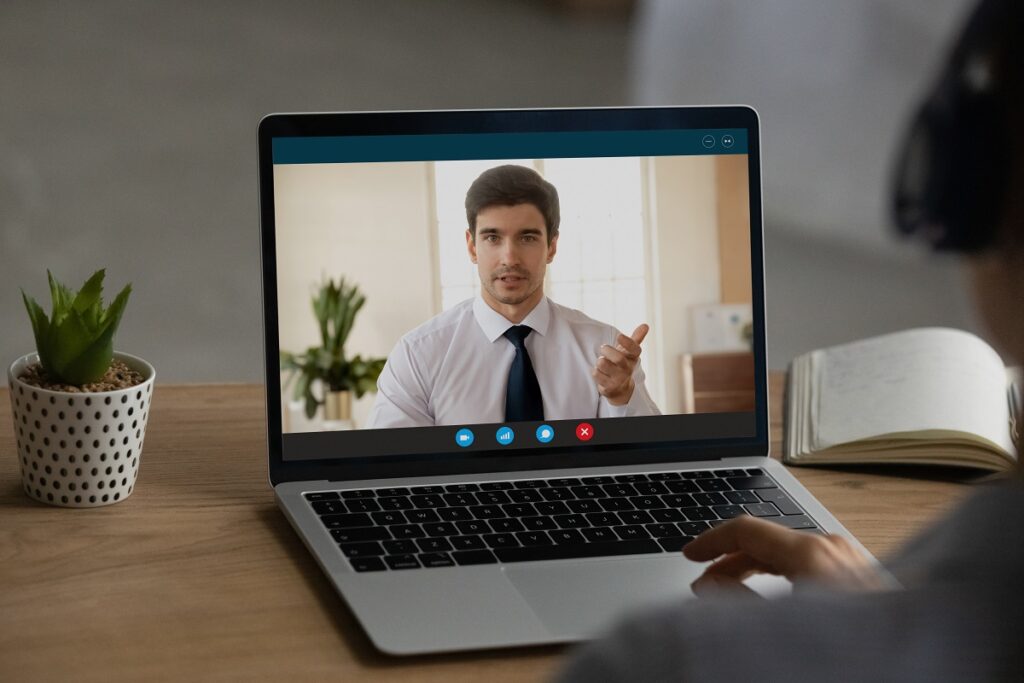
Businesses today operate in a highly competitive digital marketplace where speed, communication, and customer experience directly affect revenue. Companies that rely on online sales conversations are rapidly shifting toward virtual sales closers because remote selling offers flexibility, efficiency, and scalability. Instead of depending entirely on in-house teams, many organizations now use experienced remote sales professionals to handle consultations, sales calls, negotiations, and client onboarding. This approach allows businesses to focus on operations while trained closers concentrate on turning qualified leads into paying customers. As online buying behavior continues to evolve, virtual sales closers are becoming an essential part of modern revenue systems. Their ability to communicate effectively through video calls, phone conversations, and digital platforms gives businesses a competitive edge in multiple industries. Companies across the USA, UK, Canada, Australia, UAE, Singapore, and other global markets are increasingly adopting remote sales strategies to expand faster and reduce operational costs.
Why Virtual Sales Closers Are Reshaping Modern Sales
The modern buyer no longer depends on face-to-face meetings to make purchasing decisions. Consumers and business clients alike are comfortable discussing products and services through Zoom calls, Google Meet sessions, and phone consultations. This shift has transformed how organizations approach sales, especially for high-ticket offers and service-based businesses. Virtual sales closers bridge the gap between online lead generation and final purchase decisions by creating persuasive conversations that drive conversions. They understand how to build trust in digital environments where personal interaction is limited to screens and voice communication. Businesses benefit from this approach because they can access skilled professionals without geographical limitations. Remote sales teams also make it easier for companies to provide customer support across multiple time zones.
Many companies now prefer virtual sales closers because they reduce overhead costs associated with office space, equipment, and employee management. Remote closers often work on flexible compensation structures, which can improve profitability for growing businesses. In addition, virtual sales professionals are highly adaptable and can integrate into existing workflows quickly. Their ability to operate independently while maintaining high productivity makes them valuable assets for startups and established enterprises alike. As digital commerce continues to dominate the market, businesses that fail to modernize their sales process may struggle to remain competitive.
What Virtual Sales Closers Actually Do
Virtual sales closers handle much more than simply asking customers to buy a product or service. Their responsibilities involve guiding potential clients through the entire sales process, from the initial consultation to the final agreement. They conduct discovery calls to identify customer pain points, goals, and purchasing motivations. This information allows them to tailor solutions that match each client’s needs. By personalizing conversations, virtual sales closers increase the likelihood of securing high-value deals.
Another major responsibility involves overcoming objections during sales conversations. Potential customers often hesitate because of pricing concerns, trust issues, or uncertainty about results. Skilled virtual sales closers know how to address these concerns professionally while reinforcing the value of the offer. They also maintain consistent follow-up communication, which is critical for converting leads that require more time before making decisions. Businesses benefit from having a dedicated professional focused entirely on nurturing and closing opportunities.
Virtual sales closers also collaborate with marketing and customer support teams to ensure a smooth client experience. Their role extends beyond closing deals because long-term customer relationships often depend on the quality of the sales interaction. Effective communication creates confidence and strengthens brand reputation. This combination of relationship-building and sales expertise makes remote closers highly valuable in competitive industries.
Core Responsibilities of Virtual Sales Closers
- Conducting discovery and qualification calls
- Presenting products and services virtually
- Handling customer objections professionally
- Following up with leads consistently
- Closing high-ticket sales remotely
- Managing CRM systems and sales pipelines
- Coordinating with marketing and support teams
- Building trust through personalized communication
Industries Benefiting Most From Virtual Sales Closers
A wide range of industries now rely on virtual sales closers to improve conversion rates and customer engagement. SaaS companies use remote sales professionals to explain software solutions and demonstrate product value during online consultations. Marketing agencies hire closers to convert inbound leads generated through advertising campaigns. Coaching and consulting businesses depend heavily on virtual sales conversations because clients often require trust and reassurance before investing in premium services.
Real estate companies also use virtual sales closers to communicate with international buyers and investors. E-commerce brands offering premium products benefit from remote closers because personalized communication can increase average order value. Financial service providers use virtual consultations to educate clients and guide them through complex purchasing decisions. Even healthcare and wellness businesses are adopting remote sales strategies to support client acquisition and retention.
The global nature of online business means companies are no longer limited by location. Businesses operating in the USA, UK, Canada, Australia, UAE, and Singapore frequently hire remote closers to support international growth. This approach allows organizations to maintain continuous sales coverage across multiple regions and time zones. As digital communication becomes more advanced, even more industries are expected to adopt virtual sales systems.
Core Skills That Make Virtual Sales Closers Highly Effective
Strong communication skills are the foundation of successful remote selling. Virtual sales closers must create meaningful conversations without relying on physical presence. Their ability to communicate clearly and confidently helps customers feel comfortable throughout the sales process. Listening skills are equally important because understanding customer concerns allows closers to present relevant solutions effectively. Emotional intelligence also plays a major role in identifying buyer motivations and hesitation points.
Time management is another critical skill because virtual sales closers often manage multiple appointments and follow-up sequences daily. Organization helps ensure that no leads are overlooked and that every customer receives timely communication. Remote sales professionals also need technical proficiency to navigate CRM systems, scheduling tools, and video conferencing platforms efficiently. Businesses benefit from closers who can operate independently while maintaining productivity and professionalism.
Adaptability is essential in modern sales environments because buyer behavior constantly changes. Skilled virtual sales closers adjust their communication style based on the personality and needs of each customer. This flexibility creates stronger connections and improves conversion rates. Continuous learning and performance improvement are also necessary because competitive markets demand updated sales strategies and techniques.
The Technology Stack Used by Virtual Sales Closers
Technology plays a massive role in the effectiveness of virtual sales closers. CRM platforms help sales teams track leads, manage pipelines, and automate follow-up communication. These systems provide valuable insights into customer behavior and sales performance. Businesses that integrate CRM tools into their sales process often experience higher efficiency and improved organization. Remote sales professionals rely heavily on these platforms to maintain consistency and accountability.
Video conferencing tools are another essential component of remote sales operations. Zoom, Google Meet, and Microsoft Teams allow closers to conduct face-to-face consultations regardless of location. Screen-sharing capabilities make presentations more engaging and interactive. Recording features also help businesses review sales calls for training and quality improvement purposes. This level of visibility allows organizations to optimize their sales approach continuously.
Automation tools further improve efficiency by handling repetitive tasks such as appointment scheduling, reminders, and follow-up messages. AI-powered systems can assist with lead scoring and customer analysis, helping sales teams focus on high-quality opportunities. Digital contract and payment platforms also streamline the closing process by allowing clients to sign agreements and complete transactions online. Together, these technologies create a seamless customer experience while reducing operational delays.
Major Advantages of Hiring Virtual Sales Closers
One of the biggest advantages of virtual sales closers is cost reduction. Businesses no longer need to maintain large office spaces or invest heavily in physical infrastructure. Remote teams can operate from anywhere, which lowers overhead expenses significantly. Flexible compensation models also allow businesses to align costs with performance. This structure is particularly beneficial for startups and rapidly growing companies.
Another advantage is access to global talent. Companies are no longer restricted to hiring within their local area. Businesses can work with experienced sales professionals from different regions who understand diverse markets and customer behaviors. This flexibility improves scalability and allows organizations to expand into international territories more effectively. Virtual sales closers can also provide extended coverage across multiple time zones, ensuring faster response times for potential customers.
Remote sales teams often improve productivity because they focus entirely on revenue-generating activities. Without office distractions and unnecessary meetings, many virtual closers achieve higher efficiency levels. Businesses also benefit from faster lead response times, which can significantly improve conversion rates. In competitive industries, quick communication often determines whether a prospect becomes a customer.
Benefits Businesses Gain From Virtual Sales Closers
- Lower operational and staffing costs
- Access to international sales talent
- Increased flexibility and scalability
- Faster lead response times
- Higher conversion potential
- Improved customer communication
- Expanded coverage across time zones
- Better focus on revenue generation
How Virtual Sales Closers Improve Customer Experience
Customer experience is a major factor influencing purchasing decisions. Virtual sales closers improve the buying process by providing personalized communication tailored to individual needs. Rather than delivering generic presentations, skilled closers focus on understanding the customer’s goals and challenges. This consultative approach creates trust and helps prospects feel understood throughout the conversation.
Fast response times also contribute to better customer satisfaction. Leads that receive immediate communication are more likely to remain engaged and interested in the offer. Virtual sales closers help businesses maintain consistent communication through scheduled follow-ups and ongoing support. This responsiveness creates a professional impression and increases customer confidence.
Remote sales professionals also make it easier for clients to access information and support from any location. Customers appreciate the convenience of attending consultations from their homes or offices without traveling. Businesses that provide seamless online experiences often build stronger relationships with their audience. As convenience continues to influence buying behavior, virtual sales closers will remain critical for maintaining customer satisfaction and loyalty.
Virtual Sales Closers vs Traditional In-House Sales Teams
Traditional in-house sales teams still offer value in certain industries, but remote sales models provide several distinct advantages. Office-based teams require physical infrastructure, management oversight, and additional administrative expenses. Virtual sales closers eliminate many of these costs while maintaining high productivity levels. Businesses can scale remote teams more quickly because hiring is not limited by geographic boundaries.
Flexibility is another major difference between remote and in-house sales operations. Virtual sales professionals can work across multiple regions and schedules, allowing businesses to provide broader customer coverage. Traditional teams may struggle to support international markets effectively without significant expansion costs. Remote closers also adapt more easily to changing business conditions because they operate through digital systems.
Another important distinction involves efficiency. Virtual sales closers often rely heavily on automation and digital communication tools, which streamline operations and reduce delays. Many businesses find that remote teams can respond faster and manage leads more effectively than traditional office-based sales departments. This combination of flexibility, scalability, and efficiency makes virtual closing an increasingly attractive option for modern companies.
The Process of Working With Virtual Sales Closers
Businesses typically begin by defining their target audience, sales goals, and offer structure before hiring virtual sales closers. This planning stage helps align expectations and ensures the sales strategy matches business objectives. Once the strategy is established, closers begin handling consultations and qualifying leads. Their role involves identifying high-intent prospects who are most likely to purchase.
During sales calls, virtual sales closers focus on understanding customer needs and presenting tailored solutions. They guide prospects through the decision-making process while addressing concerns and objections professionally. Consistent follow-up communication is essential because many customers require multiple interactions before making a final decision. Skilled closers maintain engagement without appearing overly aggressive.
Performance tracking is another important aspect of remote sales operations. Businesses monitor conversion rates, appointment attendance, and revenue generation to evaluate effectiveness. Sales scripts and communication strategies are continuously refined to improve results over time. This data-driven approach helps businesses optimize their sales process and maximize profitability.
Common Challenges Businesses Face Without Virtual Sales Closers
Businesses that lack dedicated remote sales professionals often struggle with inconsistent follow-up communication. Leads may lose interest when response times are slow or when communication lacks personalization. Missed opportunities can significantly affect revenue growth, especially in competitive markets where customers expect immediate attention. Without structured sales systems, businesses may also experience lower conversion rates.
Founders and business owners frequently face burnout when handling sales internally. Managing operations, marketing, and customer acquisition simultaneously can become overwhelming. Virtual sales closers relieve this pressure by taking ownership of the sales process and maintaining consistent customer communication. This support allows leadership teams to focus on scaling the business strategically.
Untrained sales staff may also struggle with objection handling and persuasive communication. Weak sales conversations often result in lost opportunities and poor customer experiences. Skilled virtual sales closers bring proven expertise and structured sales methodologies that improve performance significantly. Businesses that invest in experienced remote sales professionals often achieve stronger and more predictable revenue growth.
How to Choose the Right Virtual Sales Closers for Your Business
Choosing the right virtual sales closers requires careful evaluation of experience, communication skills, and industry knowledge. Businesses should look for professionals who understand their target market and can adapt to their sales process effectively. Reviewing call recordings and performance metrics can provide valuable insight into a closer’s communication style and persuasion abilities.
Technology proficiency is another important factor because remote sales operations depend heavily on CRM systems, video conferencing tools, and automation platforms. Closers who are comfortable using digital systems can integrate more smoothly into existing workflows. Businesses should also prioritize professionals who demonstrate accountability and strong reporting practices.
Cultural fit matters as well because virtual sales closers often represent the brand directly during customer interactions. Their communication style should align with the company’s values and customer expectations. Businesses that invest time in selecting the right remote sales talent are more likely to achieve long-term success and stronger customer relationships.
Future Trends Shaping Virtual Sales Closers
The future of remote sales will likely involve increased integration of AI-powered tools and automation systems. Real-time coaching platforms can already analyze conversations and provide recommendations during live sales calls. Predictive analytics also help businesses identify high-intent leads and optimize customer targeting strategies. These technologies improve efficiency while allowing virtual sales closers to focus on relationship-building and persuasion.
Global expansion will continue driving demand for remote sales professionals. Businesses increasingly seek international growth opportunities, and virtual sales closers make cross-border communication more accessible. Multi-language support and regional expertise will become even more valuable as companies expand into new markets. Organizations that adopt flexible remote sales strategies will be better positioned for global scalability.
Hybrid sales models combining automation and human interaction are also expected to become more common. While technology can streamline repetitive tasks, human communication remains essential for building trust and handling complex objections. Virtual sales closers will continue playing a critical role in creating meaningful customer relationships while leveraging advanced digital tools to improve efficiency.
FAQ About Virtual Sales Closers
What are virtual sales closers?
Virtual sales closers are remote sales professionals who conduct online consultations, handle objections, and close deals through digital communication platforms such as Zoom, phone calls, and video meetings.
Are virtual sales closers effective for high-ticket sales?
Yes, virtual sales closers are highly effective for high-ticket offers because they specialize in relationship-building, consultative selling, and personalized communication.
What industries benefit most from virtual sales closers?
Industries such as SaaS, coaching, consulting, real estate, marketing agencies, financial services, and e-commerce commonly benefit from remote sales professionals.
How do virtual sales closers communicate with prospects?
They typically use video conferencing tools, phone calls, email, CRM systems, and messaging platforms to maintain communication with leads and customers.
Can virtual sales closers work internationally?
Yes, many virtual sales closers support global markets including the USA, UK, Canada, Australia, UAE, Singapore, and other international regions.
What skills should businesses look for when hiring virtual sales closers?
Businesses should prioritize communication skills, objection handling ability, emotional intelligence, CRM proficiency, adaptability, and industry experience.
How do virtual sales closers improve conversion rates?
They improve conversions by responding quickly to leads, personalizing conversations, handling objections effectively, and maintaining consistent follow-up communication.
What tools do virtual sales closers typically use?
Common tools include CRM software, Zoom, Google Meet, scheduling platforms, automation systems, digital contracts, and online payment solutions.
Are virtual sales closers more affordable than in-house teams?
In many cases, yes. Remote sales teams often reduce overhead costs associated with office space, equipment, and administrative expenses.
Why are businesses shifting toward remote sales models?
Businesses value remote sales models because they offer scalability, global talent access, flexibility, faster communication, and improved operational efficiency.
Takeaway
Virtual sales closers have become a powerful solution for businesses seeking scalable and cost-effective revenue growth. Their ability to communicate persuasively, manage customer relationships remotely, and close high-ticket deals makes them essential in today’s digital economy. Companies across industries are adopting remote sales strategies because they provide flexibility, global reach, and stronger conversion opportunities. As technology continues to evolve, businesses that invest in skilled virtual sales closers will be better positioned to compete in fast-moving international markets.