A building or infrastructure project’s stability depends entirely on the soil supporting it. Poor soil conditions can lead to foundation failures, structural damage, and costly repairs. Geotechnical Soil Investigation plays a crucial role in identifying soil characteristics, ensuring that foundations are designed to withstand the weight and stresses of construction. Inch-On Materials Testing Laboratory specializes in comprehensive geotechnical services that assess soil density, consistency, and overall quality, providing essential data for safe and durable structures.
Geotechnical Soil Investigation involves systematic testing and analysis of subsurface conditions to evaluate whether the soil can support the intended construction. This process combines both field and laboratory assessments to provide reliable results. Every stage of testing aims to reduce construction risks, improve design accuracy, and ensure compliance with Philippine construction standards. Understanding soil behavior before construction allows engineers to make informed decisions about foundation type, materials, and construction methods.
What is Geotechnical Soil Investigation?
Geotechnical Soil Investigation is the process of evaluating subsurface soil and rock to determine its properties and suitability for construction projects. The investigation includes identifying soil composition, strength, density, and consistency. Soil layers, groundwater levels, and potential soil hazards such as settlement or liquefaction are also assessed. These findings help engineers design foundations that are stable and capable of supporting structures safely over time.
Geotechnical Soil Investigation is essential for all types of construction, including residential buildings, commercial projects, highways, bridges, and industrial facilities. By understanding soil characteristics, engineers can prevent structural failures and minimize long-term maintenance costs. Proper investigation reduces uncertainty, improves safety, and ensures that designs comply with national and international construction standards, including ASTM and AASHTO guidelines.
Standard Penetration Test (SPT)
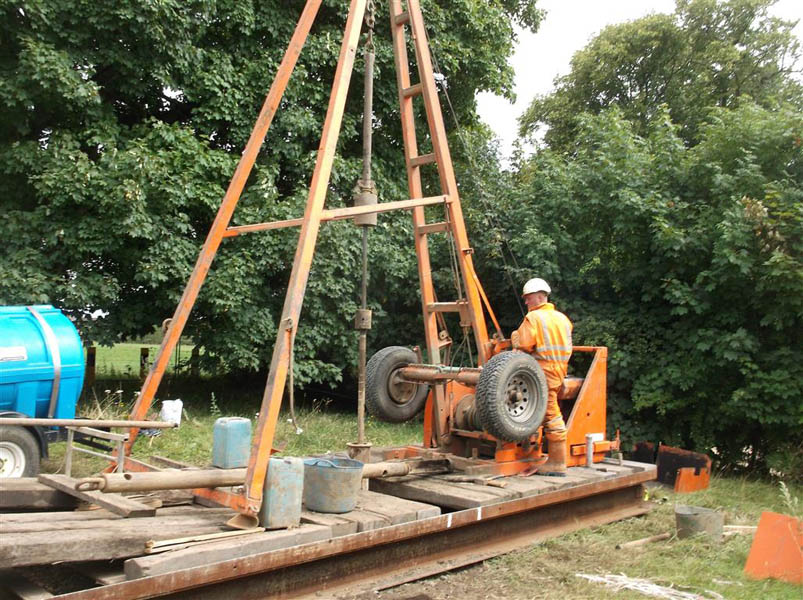
The Standard Penetration Test (SPT) is a widely used method in Geotechnical Soil Investigation for evaluating soil density and consistency. This field test measures the resistance of soil to penetration by a standardized sampler driven into the ground. The number of blows required to penetrate the soil provides information about its relative density and strength.
SPT is especially useful for identifying layers of weak or loose soil, which may require special foundation designs. Engineers use SPT data to determine whether a site can safely support buildings or infrastructure. At Inch-On Materials Testing Laboratory, the SPT is conducted using precise equipment and trained professionals to ensure accurate and reliable results. The test provides data on soil stratification, allowing engineers to make informed decisions about excavation, foundation depth, and pile design.
SPT is often combined with other geotechnical testing methods, such as cone penetration tests or laboratory soil analysis, to create a comprehensive understanding of subsurface conditions. The test is cost-effective, quick, and essential for developing safe foundation strategies for construction projects of all sizes.
Field Testing Services at Inch-On
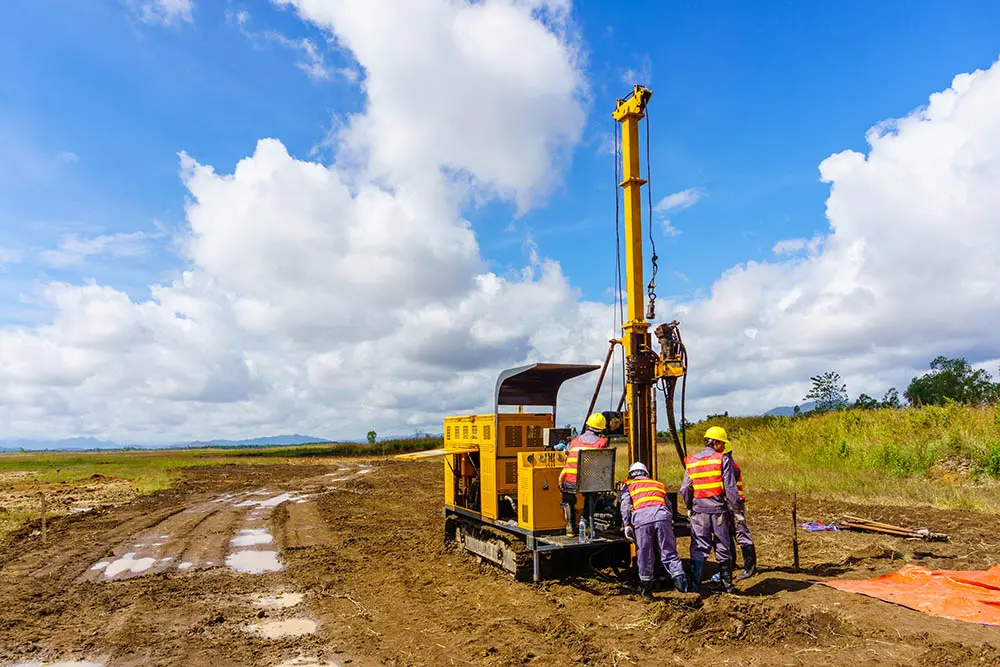
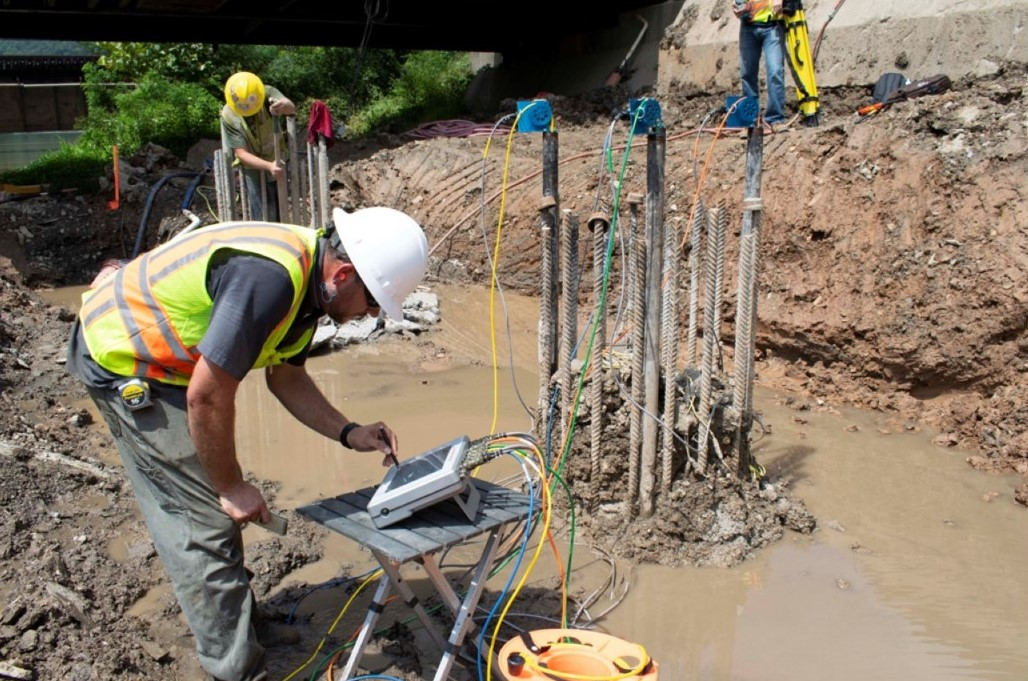
Field testing is a critical component of Geotechnical Soil Investigation. These on-site evaluations allow engineers to observe soil and material behavior under actual conditions. Field testing conducted by Inch-On includes soil sampling, in-situ density tests, concrete strength tests, and pile foundation assessments. Every test follows established international standards, including ASTM and AASHTO, to provide reliable and consistent results.
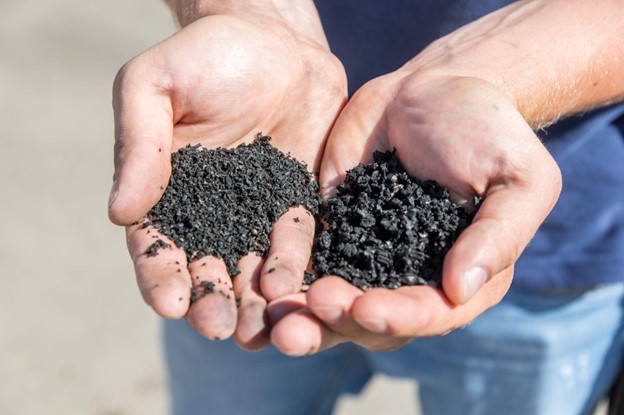
Soil sampling during field testing captures undisturbed soil for laboratory analysis. This ensures that soil characteristics such as moisture content, plasticity, and density are accurately measured. Pile testing evaluates the load-bearing capacity of foundation piles and helps verify that construction meets design specifications. Concrete testing on-site determines whether the material achieves required strength levels, ensuring long-term durability.
Field testing results are crucial for adjusting construction methods and foundation designs. They allow engineers to respond to unexpected soil conditions, reduce construction risks, and guarantee structural safety. Reliable field testing ensures that the data used for Geotechnical Soil Investigation reflects actual site conditions rather than assumptions, improving the quality and success of construction projects.
Laboratory Testing Services
Laboratory testing complements field evaluations by providing detailed analysis of soil and construction materials. Soil samples collected during field testing are examined using advanced equipment to measure properties such as particle size distribution, compaction, shear strength, and Atterberg limits. These tests provide deeper insight into soil behavior under stress, moisture variations, and load conditions.
Concrete and material testing in the laboratory ensures that construction materials meet industry standards. Laboratory testing identifies potential weaknesses and helps verify the suitability of soil and materials for the intended construction. Inch-On Materials Testing Laboratory applies rigorous procedures and maintains compliance with ASTM and AASHTO standards to guarantee accurate results.
Results from laboratory testing are used alongside field data to produce a complete Geotechnical Soil Investigation report. Engineers use this report to design foundations, evaluate construction risks, and select appropriate building techniques. Laboratory analysis enhances project safety and ensures that materials perform as expected throughout the structure’s lifespan.
Importance of Soil Investigation for Construction Projects
Geotechnical Soil Investigation is vital for reducing risks and avoiding structural failures. Weak or unstable soil can lead to settlement, cracking, or even collapse of buildings and infrastructure. Early identification of soil issues allows engineers to design foundations that distribute loads effectively, reducing the likelihood of costly repairs.
Soil investigation also improves project efficiency by preventing delays caused by unexpected ground conditions. With accurate data, construction teams can plan excavation, foundation placement, and material usage more effectively. Soil studies support sustainable construction practices by minimizing waste and ensuring that structures are built to last.
In addition, proper Geotechnical Soil Investigation ensures compliance with regulations set by the Department of Public Works and Highways – Bureau of Research and Standards (DPWH-BRS). This is essential for legal approval, insurance, and overall project credibility. Construction projects that ignore soil investigation often face delays, increased costs, and compromised safety.
Why Choose Inch-On Materials Testing Laboratory
Inch-On Materials Testing Laboratory has been providing independent and reliable geotechnical services since 2018. As a DPWH-BRS accredited laboratory, Inch-On combines industry expertise with strict adherence to international testing standards. This ensures that every Geotechnical Soil Investigation is accurate, thorough, and actionable.
The laboratory’s team of specialists conducts both field and laboratory testing, giving engineers comprehensive data for design and construction decisions. Specialized equipment allows Inch-On to perform tests such as SPT, pile evaluation, concrete strength testing, and soil property analysis with precision.
Choosing Inch-On for Geotechnical Soil Investigation provides project teams with peace of mind, knowing that soil conditions have been carefully evaluated. This reduces construction risk, improves structural safety, and supports long-term durability of every project.
Frequently Asked Questions (FAQ)
What is the purpose of Geotechnical Soil Investigation?
Geotechnical Soil Investigation evaluates soil properties and conditions to ensure that foundations can support construction safely. It identifies potential risks and guides foundation design.
How is the Standard Penetration Test (SPT) conducted?
The SPT involves driving a sampler into the soil using a standard hammer and measuring the number of blows needed to penetrate. This provides information about soil density and strength.
Why is laboratory testing important in soil investigation?
Laboratory testing provides detailed analysis of soil and materials collected from the field. It measures properties such as particle size, compaction, and shear strength, supporting accurate foundation design.
What types of construction require Geotechnical Soil Investigation?
All construction projects benefit from soil investigation, including residential buildings, commercial structures, roads, bridges, and industrial facilities.
How does soil investigation improve construction safety?
By identifying weak soil or unexpected conditions, soil investigation allows engineers to design foundations that prevent settlement, cracking, or structural failure.
Why should Inch-On Materials Testing Laboratory be chosen for soil testing?
Inch-On is DPWH-BRS accredited, independent, and experienced. The laboratory follows ASTM and AASHTO standards, providing precise, reliable, and actionable Geotechnical Soil Investigation results.