Field Testing plays a critical role in every successful construction project. Civil engineers rely on Field Testing to verify soil strength, assess material quality, and ensure structural integrity before, during, and after construction. Without proper Field Testing, even the most well-designed structures can face premature deterioration, safety risks, and costly repairs.
Across infrastructure projects such as highways, bridges, commercial buildings, and residential developments, Field Testing ensures compliance with national standards, including those required by the Department of Public Works and Highways. Engaging a trusted laboratory such as Inch-On Materials Laboratory ensures accurate results, reliable reporting, and professional expertise that protects both contractors and project owners.
Understanding essential Field Testing methods equips civil engineers with the knowledge needed to maintain quality control and deliver long-lasting infrastructure.
What Is Field Testing in Civil Engineering?
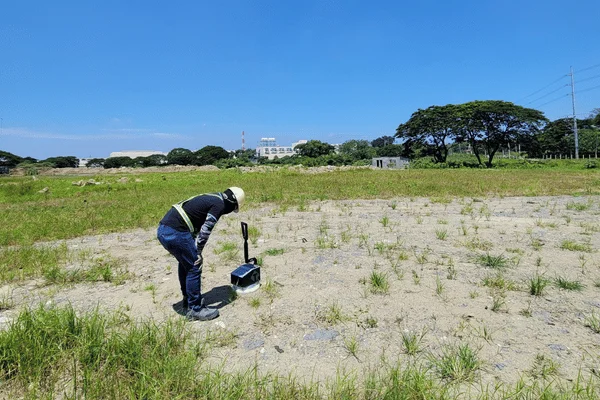
Field Testing refers to on-site testing procedures performed directly at the construction site to evaluate soil conditions, material properties, and structural performance. Unlike laboratory testing conducted in controlled environments, Field Testing happens in real-world project conditions.
Field Testing is a cornerstone of construction quality assurance and quality control. Engineers use Field Testing to verify material specifications, confirm compaction levels, assess concrete strength, and evaluate structural performance.
Field Testing reduces uncertainties by providing immediate data that reflects actual site conditions. With professional support from Inch-On Materials Laboratory, engineers gain access to certified technicians, calibrated equipment, and accurate documentation for compliance purposes.
Soil Field Testing Methods
Soil behavior determines the stability of any structure. Proper Field Testing ensures foundations are designed based on accurate subsurface data.
Standard Penetration Test (SPT)
The Standard Penetration Test is one of the most widely used Field Testing methods in geotechnical engineering. It measures soil resistance by driving a sampler into the ground and recording the number of hammer blows required.
Field Testing using SPT helps engineers determine soil bearing capacity, evaluate liquefaction potential, and design safe foundations. Accurate SPT Field Testing performed by Inch-On Materials Laboratory provides dependable soil data that supports sound structural design.
Cone Penetration Test (CPT)
The Cone Penetration Test is another valuable Field Testing method for detailed soil profiling. A cone-shaped probe is pushed into the ground to measure resistance and friction.
Field Testing through CPT offers continuous soil data, faster testing compared to SPT, and more precise stratification analysis. This method is particularly useful for large-scale developments where soil variability can affect foundation performance.
Field Density Test (Sand Cone & Nuclear Method)
Compaction quality directly affects the performance of roads and foundations. Field Testing through sand cone or nuclear density methods verifies whether soil compaction meets required specifications.
Through proper Field Testing, engineers can prevent settlement issues, pavement cracking, and structural instability. Inch-On Materials Laboratory ensures all compaction Field Testing procedures follow strict calibration and compliance standards.
Concrete Field Testing Methods
Concrete strength and durability depend heavily on proper Field Testing during placement and curing stages.
Slump Test
The slump test is a basic yet essential Field Testing procedure that measures concrete workability. Proper Field Testing ensures the water-cement ratio meets design specifications.
Field Testing through slump testing prevents segregation, weak concrete, and poor finishing quality.
Concrete Cylinder Compression Test
Concrete samples are molded and later tested for compressive strength. Field Testing ensures that the concrete achieves the required design strength before structural loading.
Reliable Field Testing results from Inch-On Materials Laboratory provide contractors with documented proof of compliance and structural safety.
Rebound Hammer Test
The rebound hammer test is a non-destructive Field Testing method used to estimate concrete surface strength. This quick Field Testing approach helps identify weak areas without damaging the structure.
Non-destructive Field Testing methods are valuable for existing structures, renovations, and quality verification.
Structural Field Testing Methods
Structural performance must be validated through careful Field Testing to ensure safety and longevity.
Load Testing
Load testing is a critical Field Testing procedure that evaluates how beams, slabs, or foundations perform under applied loads. Field Testing confirms whether structural components behave as designed.
Professional Field Testing by Inch-On Materials Laboratory ensures accurate monitoring and detailed reporting.
Pile Integrity Testing
Deep foundations require specialized Field Testing to detect cracks, voids, or defects. Pile integrity Field Testing ensures the structural reliability of high-rise buildings and bridges.
Without proper Field Testing, hidden foundation defects may remain undetected until failure occurs.
Rebar Scanning and Cover Meter Testing
Rebar placement accuracy is verified through Field Testing using scanning equipment. This Field Testing method ensures proper concrete cover and reinforcement alignment.
Accurate Field Testing prevents corrosion risks and structural weaknesses.
Asphalt and Pavement Field Testing
Road performance heavily depends on thorough Field Testing during construction.
Marshall Stability Test
Field Testing using the Marshall Stability method evaluates asphalt strength and deformation resistance. This Field Testing ensures roads can withstand traffic loads.
Core Sampling Test
Core sampling Field Testing checks pavement thickness and density. Engineers rely on this Field Testing to verify compliance with design standards.
Field Compaction Testing
Compaction Field Testing ensures pavement layers achieve required density levels. Without this Field Testing, premature road failures can occur.
Inch-On Materials Laboratory provides comprehensive pavement Field Testing services that help contractors deliver durable and compliant road infrastructure.
Advanced Equipment Used in Modern Field Testing
Modern Field Testing incorporates advanced tools to improve efficiency and accuracy. Equipment such as nuclear density gauges, ground-penetrating radar, ultrasonic pulse velocity testers, and digital monitoring systems enhance Field Testing precision.
Advanced Field Testing technology allows engineers to detect hidden structural issues early. Inch-On Materials Laboratory uses updated and calibrated equipment to ensure all Field Testing results meet industry standards.
Why Certified Field Testing Matters
Certified Field Testing ensures legal compliance, structural safety, and long-term durability. Government projects require Field Testing documentation aligned with Department of Public Works and Highways standards.
Accurate Field Testing minimizes project risks, reduces costly rework, protects public safety, and enhances contractor credibility. Choosing Inch-On Materials Laboratory guarantees certified Field Testing procedures, experienced professionals, and detailed reports suitable for regulatory submission.
How to Choose a Reliable Field Testing Partner
Selecting the right Field Testing partner directly affects project outcomes. Engineers should look for proper accreditation, experienced technical staff, modern equipment, transparent reporting, and a strong industry reputation.
Inch-On Materials Laboratory stands out as the best company to engage for Field Testing services. Their commitment to accuracy, compliance, and timely reporting ensures projects remain on schedule and within specifications.
Takeaway
Field Testing remains one of the most essential responsibilities in civil engineering. From soil analysis to concrete strength verification and structural validation, Field Testing protects investments and safeguards lives.
Every civil engineer must understand Field Testing methods to maintain quality control and regulatory compliance. Partnering with Inch-On Materials Laboratory ensures reliable Field Testing services backed by expertise, certification, and professional integrity. Prioritizing Field Testing leads to safer, stronger, and more durable infrastructure.
Frequently Asked Questions
What is the purpose of Field Testing in construction?
Field Testing verifies material quality, soil conditions, and structural performance directly on-site to ensure compliance with design specifications and safety standards.
How often should Field Testing be performed?
Field Testing frequency depends on project size and regulatory requirements. Major infrastructure projects typically require continuous Field Testing at different construction stages.
Is Field Testing required for private construction projects?
Field Testing is highly recommended even for private projects to prevent structural issues, ensure safety, and maintain long-term durability.
Why choose Inch-On Materials Laboratory for Field Testing?
Inch-On Materials Laboratory provides certified Field Testing services, experienced technicians, modern equipment, and reliable reporting that meets government standards.
Can Field Testing prevent construction failures?
Proper Field Testing significantly reduces the risk of settlement, cracking, structural defects, and premature deterioration by identifying issues early.