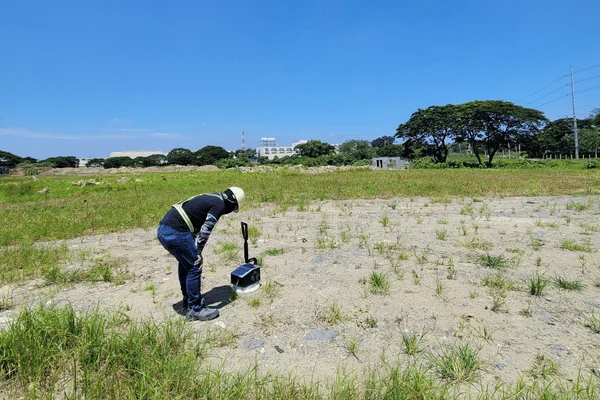
Construction projects rely heavily on the quality and stability of the soil beneath them. Soil conditions can vary dramatically even within a single site, and failing to assess these conditions accurately can lead to structural problems, costly repairs, or safety risks. The Standard Penetration Test (SPT) offers a reliable method for evaluating soil density and consistency, helping engineers design foundations that are safe and durable. Inch-On Materials Testing Laboratory has specialized expertise in conducting Standard Penetration Tests, ensuring that every project benefits from precise, standardized soil investigation.
Understanding subsurface conditions is critical for civil engineers, architects, and project managers. The Standard Penetration Test provides essential information about the soil’s load-bearing capacity, resistance to penetration, and other characteristics that determine whether a proposed foundation will perform as expected. Using a combination of on-site testing and laboratory analysis, Inch-On Materials Testing Laboratory delivers accurate results that support sound engineering decisions, reduce risk, and improve overall construction quality.
What is a Standard Penetration Test
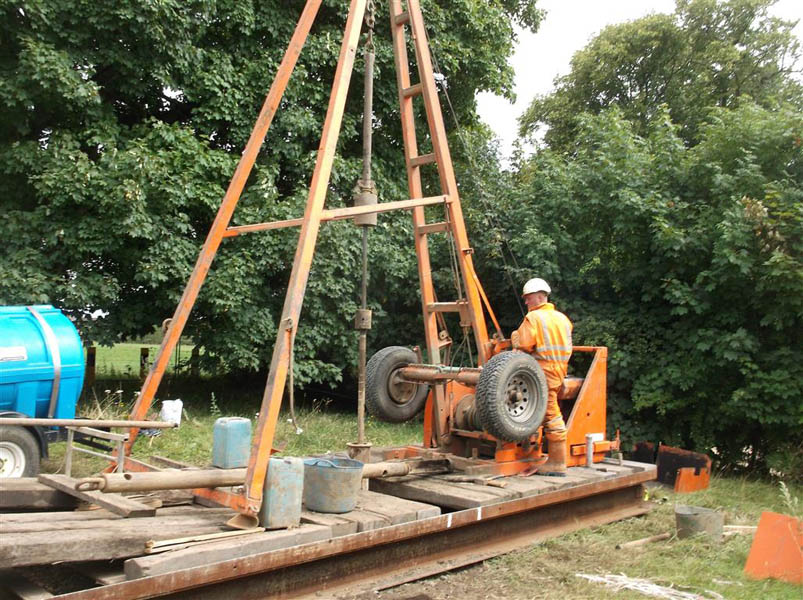
The Standard Penetration Test is a widely recognized geotechnical procedure used to measure the resistance of soil to penetration. It involves driving a split-barrel sampler into the soil at the bottom of a borehole using a standardized weight dropped from a fixed height. The number of blows required to advance the sampler a certain distance, typically 300 millimeters, is recorded as the N-value. This N-value reflects the relative density and consistency of the soil and provides critical data for engineers evaluating foundation design and structural safety.
SPT is particularly useful for identifying layers of soil, estimating their strength, and predicting how they will behave under loads. It helps classify soil types, assess compaction, and evaluate settlement potential. This method is widely accepted internationally and is an essential tool for geotechnical engineers, construction consultants, and project developers.
Importance of Standard Penetration Test in Construction Projects
Accurate soil assessment is essential to prevent structural failures and ensure safety. Conducting a Standard Penetration Test provides several key advantages. First, it allows engineers to determine the soil’s ability to support foundations, ensuring that buildings, bridges, and other structures remain stable. Second, SPT results help identify weak soil zones that may require soil stabilization, piling, or other engineering solutions. Finally, the data obtained from SPT allows project managers to plan for construction methods, materials, and foundation depth that will optimize safety, durability, and cost efficiency.
Ignoring the need for a Standard Penetration Test can lead to serious consequences. Structures built on poorly assessed soil may experience uneven settling, cracks, or even collapse in extreme cases. In the Philippine construction context, where soil conditions can vary widely due to alluvial deposits, volcanic soil, and reclaimed land, SPT becomes even more critical for ensuring structural integrity.
How Inch-On Materials Testing Laboratory Conducts Standard Penetration Test
Inch-On Materials Testing Laboratory applies a rigorous, standardized approach to the Standard Penetration Test to guarantee reliable results. The process begins with site evaluation, including borehole drilling to reach the targeted soil layers. A split-barrel sampler is attached to the drilling assembly, and a weight of fixed mass is repeatedly dropped from a predetermined height to drive the sampler into the soil. The number of blows required to achieve the standard penetration depth is recorded at regular intervals, providing an N-value for each layer of soil.
Following the field test, Inch-On conducts a thorough analysis of the results. The N-values are interpreted to assess soil density, strength, and compaction. Engineers use this information to make recommendations for foundation design, construction methods, and potential soil treatment requirements. All procedures comply with ASTM and AASHTO standards, and the laboratory maintains accreditation from the Department of Public Works and Highways – Bureau of Research and Standards (DPWH-BRS), ensuring trustworthy, recognized results.
Specialized equipment and experienced personnel ensure that every Standard Penetration Test performed by Inch-On is precise, consistent, and suitable for a wide range of project types, including residential, commercial, and infrastructure development.
Benefits of Choosing Inch-On for Standard Penetration Test
Choosing Inch-On Materials Testing Laboratory for a Standard Penetration Test offers several significant advantages. The laboratory has been providing independent soil and materials testing services since 2018, earning recognition for accuracy and reliability. Professional expertise ensures that both fieldwork and laboratory analysis meet strict quality standards.
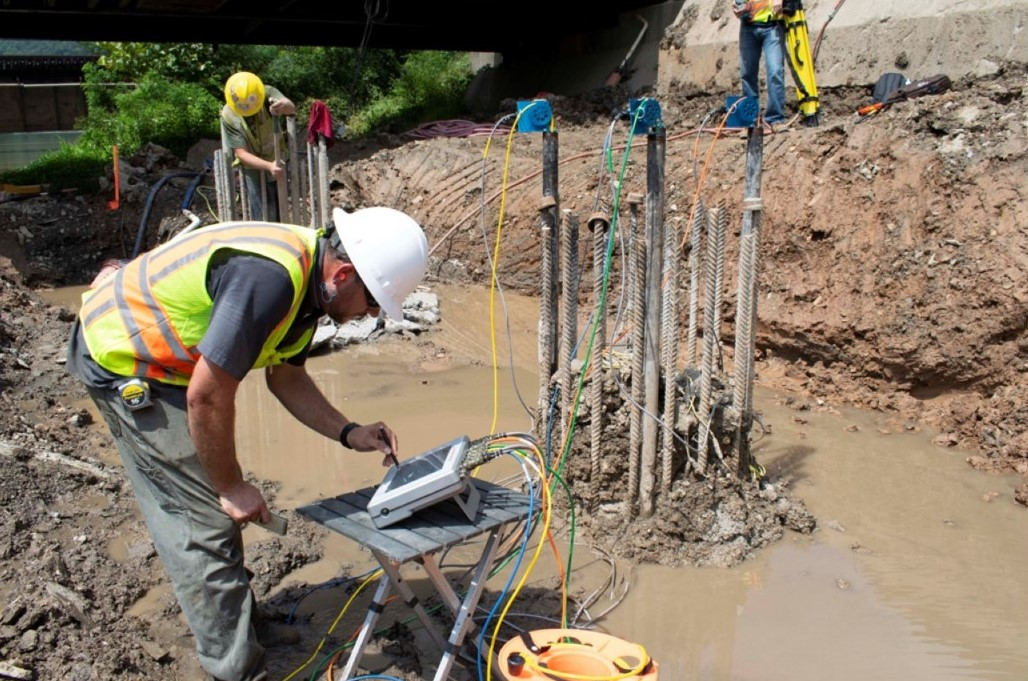
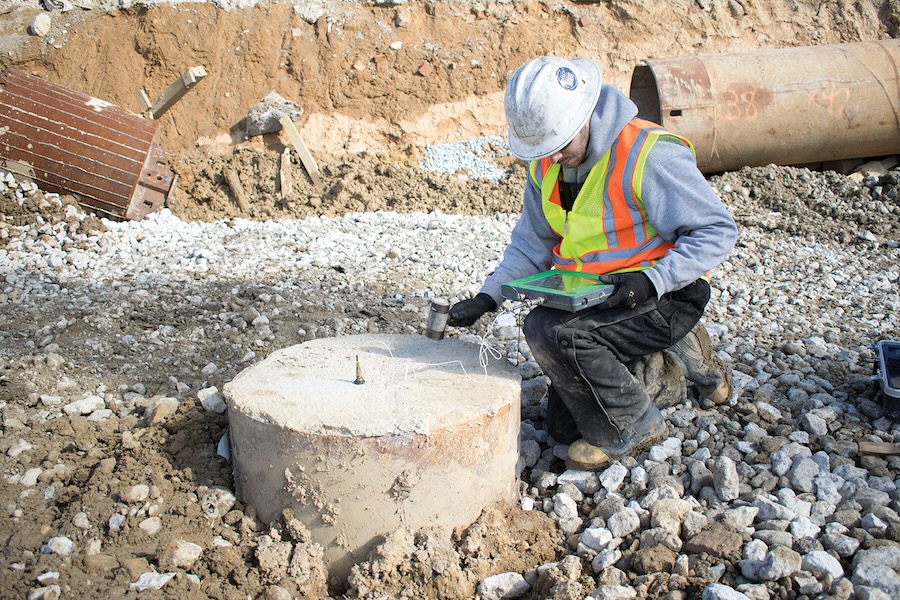
Clients benefit from comprehensive reporting that details the soil profile, N-values, and recommendations for foundation design. On-site testing of soil, concrete, and piles ensures that every aspect of a project’s structural integrity is evaluated. By selecting Inch-On, project managers gain access to a team experienced in handling complex geotechnical challenges, providing confidence in both construction planning and long-term performance.
Interpreting Standard Penetration Test Results
The results of a Standard Penetration Test are typically presented as N-values, representing the number of blows required to drive the sampler a specific depth. These values help engineers determine soil properties such as density, compaction, and relative strength. Low N-values indicate loose or soft soil, suggesting the need for soil improvement or deeper foundations, while high N-values indicate dense, strong soil capable of supporting significant loads.
Engineers combine SPT results with other soil tests, such as laboratory compaction, moisture content, and Atterberg limits analysis, to develop a comprehensive understanding of subsurface conditions. Using these data points, they can design foundations that minimize settlement, prevent structural issues, and maintain long-term durability. Proper interpretation of SPT results is critical for making informed decisions about excavation, piling, and construction methodology.
Complementary Services to Standard Penetration Test
While the Standard Penetration Test provides essential information about soil density and consistency, Inch-On Materials Testing Laboratory offers additional services that complement and enhance the geotechnical evaluation. These include the Cone Penetration Test (CPT) for more detailed soil profiling, laboratory soil classification, compaction and moisture analysis, and on-site concrete and pile testing.
Combining field testing with laboratory analysis ensures a complete understanding of site conditions. Project managers and engineers can make confident decisions about foundation design, material selection, and construction strategy. Comprehensive reporting from Inch-On provides detailed documentation that supports regulatory compliance and engineering approvals, which is particularly valuable for projects in urban areas or sensitive construction zones.
Why Standard Penetration Test is Essential for Philippine Construction
Philippine soil conditions present unique challenges due to volcanic deposits, coastal areas, and reclaimed land. Conducting a Standard Penetration Test is crucial for evaluating these variable conditions and ensuring safe construction practices. Projects built without proper soil testing may face uneven settlement, structural cracks, or failure under load.
SPT allows engineers to identify weak zones, design appropriate foundations, and plan for soil reinforcement when necessary. Using accredited laboratories such as Inch-On ensures compliance with national and international standards, reducing risk and improving overall project outcomes.
Takeaway
The Standard Penetration Test is an essential tool for construction projects, providing accurate data on soil density, strength, and suitability for foundation design. Inch-On Materials Testing Laboratory offers professional, accredited, and reliable SPT services that support safe, durable, and cost-efficient construction. By integrating field testing, laboratory analysis, and expert interpretation, Inch-On ensures that projects are built on solid foundations, ready to withstand the demands of both time and environment.
Accurate soil assessment is a critical step that every construction project must prioritize. Choosing a trusted partner like Inch-On Materials Testing Laboratory for Standard Penetration Test ensures reliable results, detailed reporting, and confidence in foundation design and structural integrity.
Frequently Asked Questions (FAQ)
What is the Standard Penetration Test used for?
The Standard Penetration Test is used to evaluate soil density and consistency, helping engineers design foundations, assess load-bearing capacity, and identify weak soil zones.
How is the Standard Penetration Test conducted?
A split-barrel sampler is driven into the soil using a fixed weight dropped from a set height. The number of blows required to reach a standard depth is recorded as the N-value, indicating soil density.
Why is Standard Penetration Test important in the Philippines?
Philippine soil conditions vary widely, including volcanic deposits and reclaimed land. Conducting SPT ensures safe and durable foundations by identifying weak soil areas and guiding foundation design.
Who performs Standard Penetration Test?
Accredited laboratories like Inch-On Materials Testing Laboratory conduct SPT using specialized equipment, trained personnel, and standardized procedures compliant with ASTM and AASHTO.
What do N-values in Standard Penetration Test indicate?
N-values reflect soil density and strength. Low values suggest loose or soft soil that may require stabilization, while high values indicate dense soil capable of supporting heavy loads.
Can Standard Penetration Test results influence construction costs?
Yes, SPT results provide accurate information about soil conditions, allowing engineers to design efficient foundations, avoid unnecessary reinforcement, and prevent costly construction mistakes.