Every construction project relies on a strong foundation, and soil quality plays a critical role in determining stability. Weak or poorly compacted soil can lead to uneven settling, cracks in pavements, and structural damage over time. Contractors, engineers, and developers need accurate verification to ensure a safe and durable project. A Field Density Test serves as a vital quality control measure to assess whether the soil on site has been compacted to required standards. This test helps prevent costly repairs and ensures structures remain secure throughout their intended lifespan. Conducting a Field Density Test allows stakeholders to make informed decisions before moving forward with construction activities.
What is a Field Density Test
A Field Density Test measures the in-place density and moisture content of compacted soil at a construction site. It provides a direct assessment of whether the soil meets the required compaction levels, which are often determined through a laboratory Proctor Test. By comparing field density results to the maximum dry density from the Proctor Test, engineers can verify that soil is properly compacted and capable of supporting structural loads. Performing a Field Density Test reduces the risk of foundation settlement, pavement failure, and uneven structural performance. It is a standard practice in civil engineering, road construction, and building projects across the Philippines and around the world.
How a Field Density Test Works
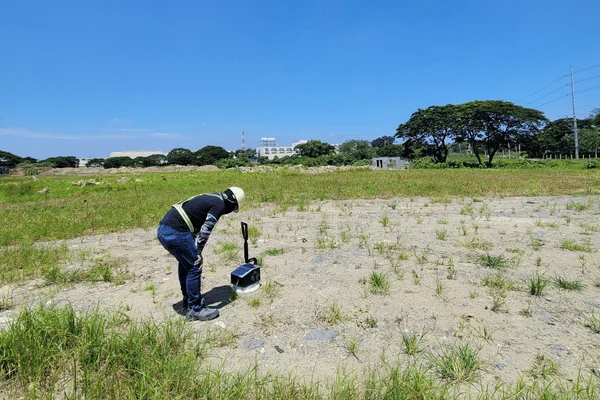
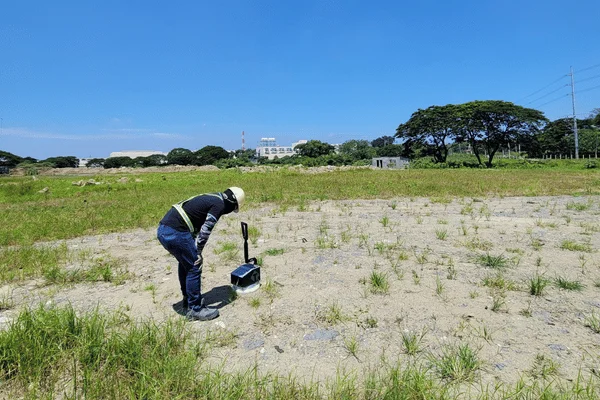
The Field Density Test follows a systematic procedure that ensures accurate results. The first step involves preparing the site and selecting representative soil samples from the construction area. Specialized equipment is then used to measure the density and moisture content of the soil directly on site. These measurements are compared to the maximum dry density determined from the laboratory Proctor Test. Engineers evaluate the results to confirm whether the soil meets compaction requirements and can safely support foundations, roads, or other infrastructure.
Several standard methods are used for conducting a Field Density Test, including the sand cone method, the nuclear density gauge method, and the rubber balloon method. Each method offers advantages depending on soil type, site conditions, and project requirements. The sand cone method, for example, is widely used for granular soils, while the nuclear density gauge provides rapid readings and is suitable for large-scale projects. Following recognized standards such as ASTM and AASHTO ensures consistency, accuracy, and reliability in every Field Density Test.
Importance of a Field Density Test for Construction Projects
A Field Density Test is essential for maintaining the integrity of any construction project. Using soil that is not properly compacted can cause settlement, cracks, and even structural failure. Roads may develop potholes or depressions, and building foundations can shift over time, leading to uneven floors and cracks in walls. These issues increase maintenance costs and pose safety hazards for occupants and users.
The Field Density Test provides verified data that helps engineers make informed decisions about soil preparation. By measuring in-place density and moisture content, the test confirms whether compaction standards have been achieved. This verification ensures that foundations, roadbeds, and pile-supported structures have the stability required to support long-term loads. For developers and contractors, a Field Density Test reduces risks, prevents project delays, and improves overall construction quality.
Standard Workflow: Proctor Test → Field Density Test → CBR
The Field Density Test is part of a proven workflow used to evaluate soil quality and readiness for construction. The process begins with the Proctor Test, which determines the maximum dry density and optimum moisture content of the soil under controlled laboratory conditions. These values serve as benchmarks for field compaction.
After compaction on site, the Field Density Test verifies that the in-place soil matches or exceeds the required density. This step ensures that the soil meets engineering specifications and can safely support structural loads. The California Bearing Ratio (CBR) test often follows the Field Density Test to measure soil strength and its ability to withstand road and pavement stresses. Following this workflow ensures soil quality is properly assessed and provides reliable data for construction planning and approval.
Applications of Field Density Testing
The Field Density Test is widely applied across various construction projects. Road construction projects rely heavily on proper soil compaction, and FDT confirms that base and subbase layers are suitable for paving. For building foundations, the test ensures that soil can safely support columns, slabs, and pile foundations. Industrial and commercial facilities benefit from FDT by confirming the ground can support heavy loads and machinery without excessive settlement.
Projects that involve embankments, levees, or earthworks also require Field Density Testing to maintain slope stability and prevent erosion or subsidence. Engineers use FDT data to adjust compaction techniques or modify moisture content, ensuring that every section of the project meets design specifications. Conducting a Field Density Test on a regular schedule during construction ensures consistent quality and reduces the likelihood of costly remediation later.
Benefits of Conducting a Field Density Test
Conducting a Field Density Test offers multiple advantages for contractors, developers, and engineers. One primary benefit is the verification of soil compaction, which directly impacts the safety and stability of structures. Accurate FDT results allow teams to identify areas that require additional compaction before construction progresses, preventing future structural problems.
Another advantage of the Field Density Test is regulatory compliance. Many construction projects in the Philippines are required to meet national standards for soil compaction and foundation preparation. By conducting FDT through a DPWH-BRS accredited laboratory like Inch-On Materials Testing Laboratory, contractors can ensure their projects meet legal and technical requirements.
The Field Density Test also saves time and resources. Identifying weak or under-compacted areas early reduces the need for expensive repairs, reconstruction, or material replacement. Clear test reports provide actionable data that engineers can use to plan construction efficiently and maintain project schedules.
About Inch-On Materials Testing Laboratory
Inch-On Materials Testing Laboratory is a DPWH-BRS accredited independent laboratory established in November 2018. The laboratory specializes in both field and laboratory testing for soil, concrete, and foundation piles. Inch-On is recognized for providing reliable, accurate results following ASTM and AASHTO standards.
The laboratory’s Field Density Test services help contractors and developers across the Philippines verify soil compaction and compliance with engineering specifications. Inch-On’s field testing team uses advanced equipment to measure density and moisture content directly at construction sites, ensuring practical and actionable results. Laboratory testing services complement FDT by providing detailed analysis of soil properties and material strength.
By partnering with Inch-On Materials Testing Laboratory, construction teams gain access to expert testing services that support safe, stable, and long-lasting infrastructure.
Field Testing Services Offered by Inch-On
Field Testing at Inch-On includes in-situ evaluation of soil, concrete, and pile foundations at construction sites. The laboratory provides detailed data on material performance, compaction quality, and foundation stability. Services include:
- Field Density Test (FDT) for verifying soil compaction
- Plate Load Test to assess bearing capacity
- Pile Integrity Testing for foundation evaluation
- Concrete testing for quality assurance
- Soil compaction verification for various project types
Each service follows recognized international standards to ensure accuracy, safety, and compliance. Conducting field tests at the project location allows engineers to make immediate adjustments to improve soil and material performance.
Laboratory Testing Services Offered by Inch-On
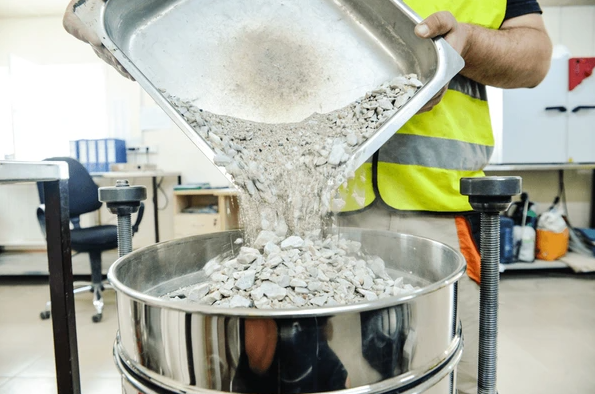
Laboratory Testing complements field evaluations by providing controlled testing environments for soil and construction materials. Laboratory tests ensure that materials meet required specifications and support long-term performance. Services include soil analysis, Proctor Test, CBR Test, sieve analysis, and more.
Combining laboratory testing with Field Density Test results provides a comprehensive understanding of soil conditions and material quality, supporting safe and reliable construction. Inch-On Materials Testing Laboratory’s expertise ensures that each test follows ASTM and AASHTO standards, producing consistent and trustworthy results.
Key Takeaways for Contractors and Developers
The Field Density Test plays a critical role in construction projects by verifying soil compaction and moisture content. Properly conducted FDT confirms that soil meets design specifications and can support structural loads, reducing risks of settlement, cracking, and foundation failure. Contractors, engineers, and developers gain actionable data that supports decision-making, quality assurance, and regulatory compliance.
Scheduling regular Field Density Testing during construction ensures that each stage of soil preparation and compaction meets required standards. Combining FDT with laboratory analysis, Proctor Tests, and CBR measurements provides a complete view of soil quality and stability, helping construction teams deliver projects that are safe, durable, and efficient.
Frequently Asked Questions (FAQ)
What is the purpose of a Field Density Test?
A Field Density Test measures the in-place density and moisture content of compacted soil to ensure it meets required compaction levels for construction projects.
How does Field Density Testing relate to the Proctor Test?
The Proctor Test determines the maximum dry density and optimum moisture content of soil in a laboratory setting. The Field Density Test verifies that field compaction achieves values close to the laboratory-determined maximum density.
Which methods are used for Field Density Testing?
Common methods include the sand cone method, nuclear density gauge, and rubber balloon method. Each method is suitable for specific soil types and project conditions.
Why is Field Density Testing important?
Conducting a Field Density Test ensures soil stability, prevents settlement, avoids pavement cracks, supports safe foundations, and helps maintain compliance with construction standards.
Can Field Density Testing prevent future structural issues?
Yes. By verifying soil compaction before construction proceeds, the Field Density Test reduces risks of foundation failure, uneven settlement, and costly repairs.
Who should conduct Field Density Testing?
A qualified laboratory like Inch-On Materials Testing Laboratory, which is DPWH-BRS accredited, should perform Field Density Testing to ensure accuracy, reliability, and compliance with standards.
How often should Field Density Testing be conducted?
Testing frequency depends on the size and type of the project. Large infrastructure projects typically require multiple tests at different stages to maintain consistent soil quality.