Hidden flaws in construction materials can dramatically affect the strength, durability, and safety of any structure. Structures exposed to heavy use, extreme weather, or long-term stress rely not only on visible quality but also on the unseen integrity of their materials. An Ultrasonic Test offers a reliable, non-destructive method to detect cracks, voids, and other internal defects that could compromise construction projects. Using advanced sound-wave technology, this testing method provides engineers and contractors with critical insight into the materials they depend on.
Across the Philippines, Inch-On Materials Testing Laboratory offers professional Ultrasonic Test services, combining accredited procedures with experienced technicians to ensure structures meet the highest standards of safety and performance. Understanding how an Ultrasonic Test works, its applications, and advantages can save time, reduce costs, and prevent structural failures before they occur.
What Is Ultrasonic Testing (UT)?
An Ultrasonic Test is a type of non-destructive testing that uses high-frequency sound waves to detect imperfections inside materials. Unlike visual inspections or surface testing, an Ultrasonic Test allows engineers to observe internal conditions without damaging the material being examined. The technology works by sending sound waves through the material and analyzing the reflected signals to identify anomalies such as cracks, voids, or inclusions.
Applications of an Ultrasonic Test are not limited to steel or metal structures. Concrete, composite materials, and even foundation piles can undergo precise evaluation. This versatility makes Ultrasonic Test an essential tool in modern construction and infrastructure projects, where safety and reliability are non-negotiable.
How Ultrasonic Testing Works
An Ultrasonic Test follows a series of well-defined steps that ensure accurate detection of material flaws. First, technicians prepare and calibrate the ultrasonic equipment according to the material type and testing requirements. The probe emits high-frequency sound waves that penetrate the material. As these waves encounter discontinuities or internal defects, they are reflected back to the receiver.
Technicians analyze the received signals to determine the location, size, and severity of any defects. Data interpretation allows engineers to make informed decisions about material suitability and structural safety. Advanced Ultrasonic Test equipment provides digital imaging and reporting, making it easier to document results for compliance, quality assurance, and long-term reference.
Applications of Ultrasonic Testing in Construction
The applications of an Ultrasonic Test extend across multiple construction scenarios. Concrete structures often hide internal cracks or air pockets that can reduce strength over time. A Ultrasonic Test identifies these defects before they pose significant risks. Steel components and welds also benefit from Ultrasonic Test evaluation, ensuring structural joints maintain their integrity under stress.
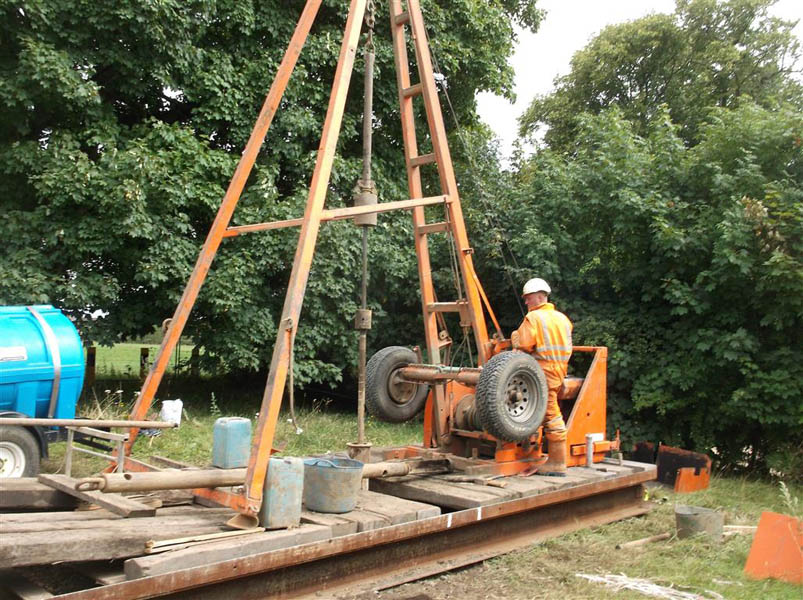
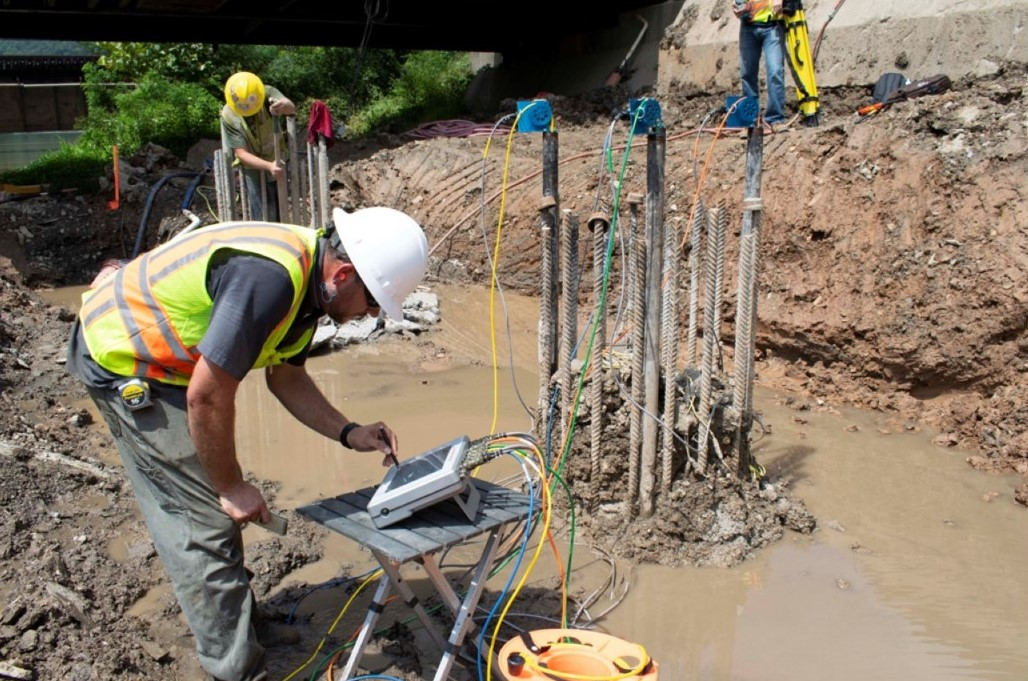
Foundation piles, whether concrete or composite, can also be assessed using Ultrasonic Test methods. Detecting voids or weak spots early prevents expensive repairs and guarantees that foundations provide lasting stability. The versatility of Ultrasonic Test makes it suitable for bridges, high-rise buildings, tunnels, and other critical infrastructure. Each assessment provides actionable information that enhances construction safety and reduces project delays.
Advantages of Choosing Inch-On for Ultrasonic Testing
Inch-On Materials Testing Laboratory stands out as a leading provider of Ultrasonic Test services across the Philippines. The laboratory maintains accreditation with the Department of Public Works and Highways – Bureau of Research and Standards (DPWH-BRS), ensuring compliance with rigorous industry standards. All testing procedures follow ASTM and AASHTO standards, offering clients confidence in the accuracy and reliability of results.
Experienced technicians handle each Ultrasonic Test with care, combining technical expertise with advanced equipment. Clients benefit from detailed reporting, clear defect identification, and professional recommendations for corrective action if needed. Nationwide coverage allows Inch-On to deliver Ultrasonic Test services to projects of all scales, from small commercial developments to large infrastructure projects.
Field vs. Laboratory Ultrasonic Testing
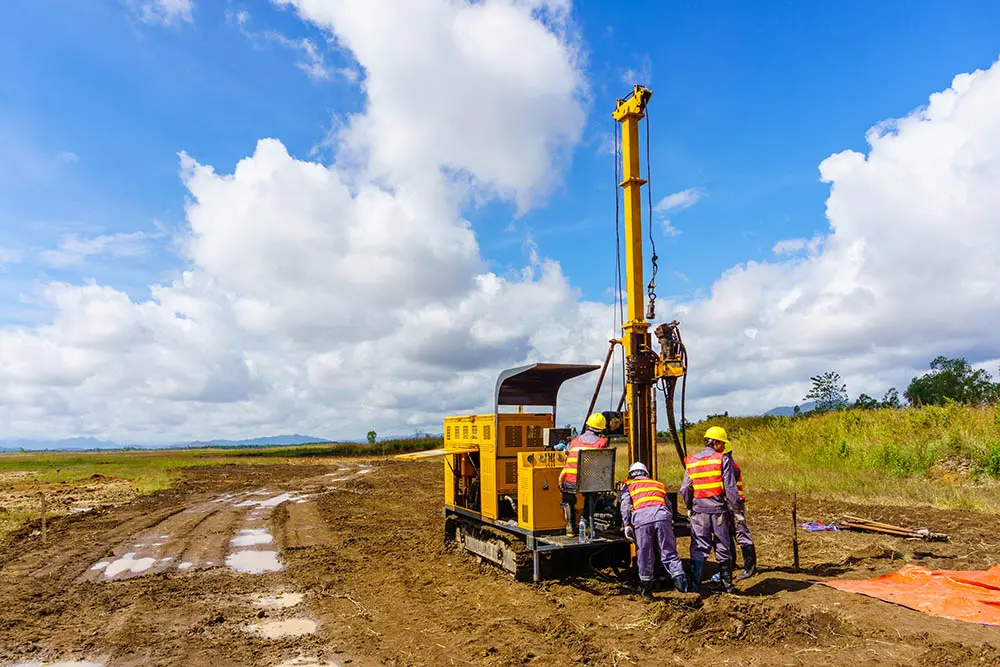
Both field and laboratory Ultrasonic Test services provide unique benefits depending on project requirements. Field testing involves evaluating materials directly on the construction site. Engineers and technicians use portable equipment to examine concrete, soil, and foundation piles without removing or altering the structure. Field Ultrasonic Test provides immediate results, allowing on-the-spot decision-making and risk mitigation.
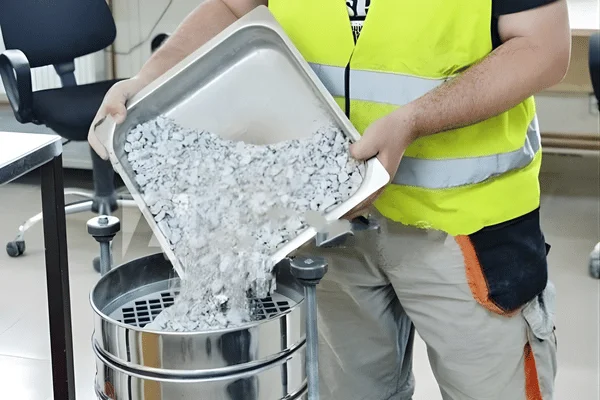
Laboratory testing, by contrast, is performed in a controlled environment using sophisticated instruments. Material samples, soil, and concrete specimens undergo precise evaluation to confirm compliance with standards and specifications. Laboratory Ultrasonic Test ensures accurate measurement, reproducibility, and detailed documentation, supporting long-term quality assurance.
Comparing both approaches, field testing offers speed and on-site convenience, while laboratory testing delivers depth, precision, and comprehensive analysis. Choosing the right type of Ultrasonic Test depends on project goals, material type, and desired outcomes.
Common Misconceptions About Ultrasonic Testing
Several misconceptions about Ultrasonic Test exist among contractors and engineers. One common misunderstanding is that the method is overly complex. In reality, trained technicians can perform an Ultrasonic Test efficiently, and modern equipment provides intuitive readings and visualizations.
Another misconception is that Ultrasonic Test can compromise materials. Because the method is non-destructive, it preserves the integrity of materials while detecting internal flaws. Many assume UT is limited to steel or metal, but concrete, composites, and even soil foundations benefit from ultrasonic evaluation. Understanding these facts encourages wider adoption of Ultrasonic Test as a critical quality assurance tool.
How to Get Started With Ultrasonic Testing
Starting an Ultrasonic Test project with Inch-On Materials Testing Laboratory is straightforward. The process begins with a consultation to assess project requirements and determine the type of Ultrasonic Test needed. Site visits or laboratory evaluations are scheduled, and technicians perform the test using advanced equipment.
Clients receive a detailed report highlighting any detected flaws, measurements, and recommendations. This documentation serves as a reliable reference for construction planning, maintenance scheduling, and regulatory compliance. Implementing Ultrasonic Test services early in the project lifecycle helps avoid delays, costly repairs, and structural risks.
Advantages of Ultrasonic Test for Project Safety and Longevity
Applying an Ultrasonic Test provides several advantages for construction projects. Detecting internal defects before construction or during routine inspections prevents structural failure and enhances long-term durability. Early identification of cracks or voids allows timely corrective actions, reducing repair costs and preventing safety hazards.
Regular Ultrasonic Test evaluations support quality assurance and compliance with engineering standards. Clients gain confidence in the stability of their structures and contractors benefit from documented proof of material integrity. The combination of safety, cost-efficiency, and regulatory compliance makes Ultrasonic Test an indispensable practice in modern construction.
Choosing the Right Laboratory for Ultrasonic Testing
Selecting a reliable laboratory is crucial for accurate Ultrasonic Test results. Inch-On Materials Testing Laboratory offers expertise, accredited procedures, and comprehensive testing capabilities across the Philippines. The laboratory’s commitment to following ASTM and AASHTO standards ensures consistent and dependable outcomes.
Working with an independent laboratory also eliminates conflicts of interest. Inch-On provides objective reporting that allows contractors, engineers, and project owners to make informed decisions. The combination of professional staff, advanced equipment, and nationwide service coverage makes Inch-On a trusted choice for Ultrasonic Test services.
Future of Ultrasonic Testing in Construction
As construction technologies evolve, the role of Ultrasonic Test continues to expand. Innovations in portable equipment, digital imaging, and data analysis allow faster, more accurate detection of internal flaws. Engineers can integrate Ultrasonic Test results with structural modeling and predictive maintenance programs, further improving safety and efficiency.
The Philippines’ growing infrastructure projects benefit from widespread adoption of Ultrasonic Test, ensuring that new buildings, roads, and bridges meet high-quality standards. As demand for safe and durable construction increases, Ultrasonic Test remains a critical component of material evaluation and project assurance.
Frequently Asked Questions (FAQ)
What is an Ultrasonic Test?
An Ultrasonic Test is a non-destructive method that uses high-frequency sound waves to detect internal defects, cracks, and voids in materials such as concrete, steel, and composites.
Is Ultrasonic Testing safe for materials?
Yes, Ultrasonic Test does not damage or alter materials. It is designed to evaluate internal structure without affecting integrity.
What materials can be tested using UT?
Common materials include concrete, steel, composites, and foundation piles. UT can also be adapted for soil and other construction-related materials.
Why should construction projects use Ultrasonic Test?
An Ultrasonic Test detects hidden defects early, prevents structural failures, reduces repair costs, and ensures compliance with industry standards.
Can UT be performed on-site?
Yes, field Ultrasonic Test allows on-site evaluation of materials, providing immediate results for quick decision-making.
What standards guide Ultrasonic Testing?
ASTM and AASHTO standards guide UT procedures, ensuring accuracy, consistency, and compliance with engineering requirements.
How does Inch-On Materials Testing Laboratory provide UT services?
Inch-On offers both field and laboratory Ultrasonic Test services across the Philippines, using accredited procedures, advanced equipment, and experienced technicians.
How quickly are results delivered?
Reports are provided promptly, including detailed findings, defect measurements, and professional recommendations for corrective action.