Foundation safety determines the long-term stability and durability of buildings, bridges, and industrial structures. Any compromise in foundation quality can lead to costly repairs or even catastrophic failure. Pile Integrity and Pile Dynamic Test serve as essential methods to verify the strength, reliability, and capacity of foundation piles before, during, and after construction. These tests provide engineers and project managers with accurate data to make informed decisions and prevent structural risks.
Inch-On Materials Testing Laboratory delivers comprehensive testing services for construction projects throughout the Philippines. As a DPWH-BRS accredited laboratory, Inch-On applies internationally recognized standards to ensure every pile meets strict safety and performance requirements.
What is Pile Integrity Testing (PIT)?
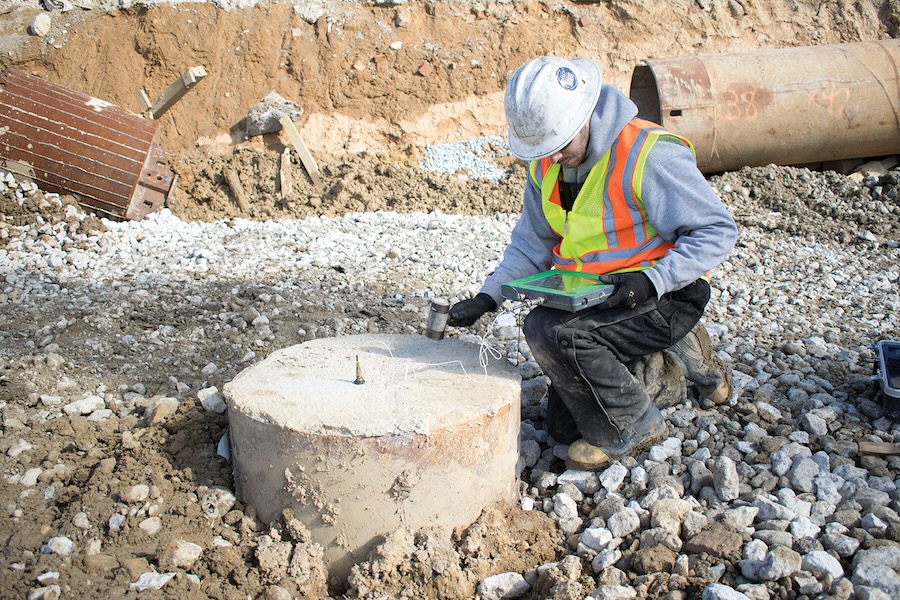
Pile Integrity and Pile Dynamic Test begins with Pile Integrity Testing (PIT), a non-destructive method to evaluate the quality of foundation piles. PIT identifies potential defects such as cracks, voids, inclusions, or other irregularities within the pile. These defects can compromise structural performance if left unaddressed, making PIT a crucial step for project safety.
The PIT process typically involves sending a low-energy impact along the pile and measuring the reflected waves. These signals reveal inconsistencies in material density or continuity. Engineers can interpret the data to determine whether the pile is sound or requires remediation. This testing method is suitable for concrete, steel, or timber piles and can be applied to both newly constructed and existing piles.
Applications of PIT are extensive, including high-rise buildings, bridge supports, industrial facilities, and infrastructure projects. Conducting PIT early in the construction process reduces risks of structural failure, minimizes maintenance costs, and ensures compliance with regulatory standards.
Benefits of Pile Integrity Testing include the ability to detect hidden defects, verify pile installation quality, and provide a reliable foundation assessment for engineers. By identifying problems early, projects can avoid delays, additional costs, and potential safety hazards.
What is Pile Dynamic Analysis (PDA)?
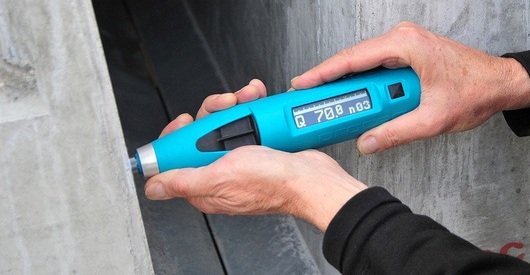
The second component of Pile Integrity and Pile Dynamic Test is Pile Dynamic Analysis (PDA), commonly known as high-strain dynamic testing. PDA measures the load-bearing capacity and performance of piles under dynamic conditions. Unlike PIT, which focuses on structural defects, PDA evaluates how a pile behaves under actual or simulated loading conditions.
During PDA, sensors are attached to the pile, and a controlled high-strain impact is applied using a hammer or similar device. Accelerometers and strain gauges capture the response, producing detailed data on force, velocity, and displacement. Engineers analyze this data to calculate pile capacity, monitor stress distribution, and confirm whether piles meet project specifications.
PDA is valuable for assessing long, deep, or heavily loaded piles. It provides insights into pile behavior under real-world conditions, identifies weak points, and helps optimize pile design. High-strain dynamic testing ensures that each pile can support intended loads while maintaining structural integrity.
Applications of PDA span various projects, including multi-story buildings, bridge abutments, piers, and industrial foundations. By combining PDA with PIT, engineers gain a complete understanding of both the physical condition and load capacity of foundation piles.
How PIT and PDA Work Together
Pile Integrity and Pile Dynamic Test is most effective when PIT and PDA are used together. While PIT identifies internal flaws, PDA confirms the pile’s ability to carry loads safely. This combination provides a thorough assessment that protects projects against both hidden defects and insufficient capacity.
A typical workflow begins with PIT to identify structural anomalies. Once the pile passes the integrity test, PDA is conducted to verify load performance. Both tests involve sophisticated equipment and trained technicians to collect and analyze data accurately. The results help engineers determine whether piles meet design requirements and safety standards.
Using both methods ensures regulatory compliance, mitigates construction risks, and improves confidence in project outcomes. The data collected from PIT and PDA can also guide maintenance planning, risk management, and design improvements.
Standards and Accreditation
Conducting Pile Integrity and Pile Dynamic Test according to recognized standards guarantees reliability and accuracy. Inch-On Materials Testing Laboratory follows ASTM (American Society for Testing and Materials) and AASHTO (American Association of State Highway and Transportation Officials) testing guidelines for both PIT and PDA procedures.
Adherence to these standards ensures that tests are consistent, repeatable, and legally defensible. DPWH-BRS accreditation further validates the laboratory’s ability to perform high-quality testing services in the Philippines. Compliance with these standards benefits project owners by providing objective, trustworthy data for engineering decisions.
By meeting both international and national standards, Inch-On ensures that foundations are safe, durable, and capable of supporting long-term structural performance. Testing conducted under these protocols reduces liability, minimizes safety risks, and supports efficient project completion.
Why Choose Inch-On Materials Testing Laboratory
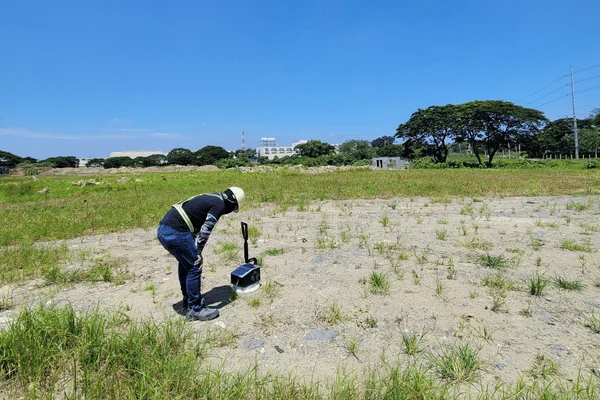
Pile Integrity and Pile Dynamic Test require precision, expertise, and advanced equipment. Inch-On Materials Testing Laboratory has been delivering independent testing services since 2018, specializing in soil, concrete, and foundation pile assessments. The laboratory’s experienced engineers and technicians conduct on-site testing using modern equipment, producing accurate and actionable results.
Nationwide service allows Inch-On to support projects of varying scale, including high-rise buildings, bridges, and industrial facilities. The laboratory maintains strict quality control measures to ensure data integrity, offering clients confidence in their foundation design and performance.
Choosing Inch-On guarantees professional service, thorough testing, and compliance with all relevant standards. The laboratory’s reputation as a trusted DPWH-BRS accredited facility underscores its commitment to structural safety and construction excellence.
Takeaway
Ensuring a safe and reliable foundation requires more than standard inspections. Pile Integrity and Pile Dynamic Test provide a complete evaluation of both pile condition and load performance, helping projects meet strict safety and quality standards. By detecting defects, confirming capacity, and complying with national and international standards, these tests protect investments and enhance structural longevity.
Inch-On Materials Testing Laboratory offers expert PIT and PDA services across the Philippines, combining experience, advanced equipment, and DPWH-BRS accreditation to deliver precise, dependable results. Every high-rise, bridge, and industrial project benefits from thorough testing that safeguards both people and structures.
FAQs About Pile Integrity and Pile Dynamic Test
What types of piles can be tested?
PIT and PDA can be applied to concrete, steel, and timber piles of various lengths and diameters, making them suitable for almost any foundation type.
How long does testing take?
Testing time depends on pile length, number of piles, and project complexity. Most individual pile tests can be completed in a few hours, with data analysis following shortly after.
Are these tests destructive?
PIT is non-destructive, while PDA involves controlled dynamic impacts that do not compromise pile integrity. Both methods maintain the pile’s usability.
Why combine PIT and PDA?
PIT detects hidden defects, while PDA evaluates load-bearing capacity. Using both provides a complete picture of structural safety and performance.
Who performs these tests?
Certified engineers and technicians from Inch-On Materials Testing Laboratory conduct all PIT and PDA services, ensuring accurate results and compliance with ASTM, AASHTO, and DPWH-BRS standards.
Can testing prevent structural failures?
Yes. By identifying defects and verifying load capacity before full construction, Pile Integrity and Pile Dynamic Test helps prevent foundation-related failures, saving costs and enhancing safety.