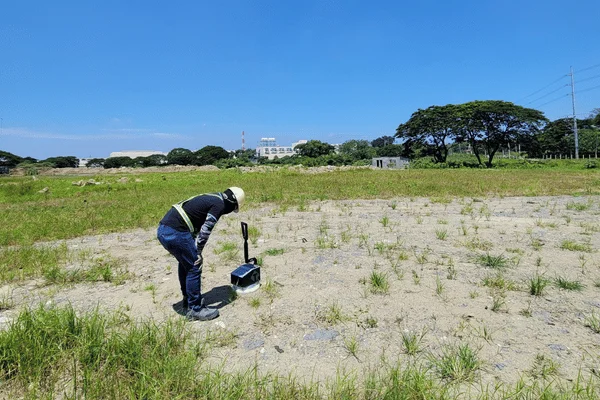
Strong foundations are essential for any construction project. Builders, engineers, and contractors rely on advanced testing methods to confirm that drilled shafts, bored piles, and deep foundations are free of defects. The Crosshole Sonic Logging Test provides a precise method to evaluate the quality of newly cast concrete foundations. This testing technique examines the internal structure of piles, identifying voids, honeycombing, and weak zones that may compromise safety and long-term durability. Choosing professional services for Crosshole Sonic Logging Test ensures that foundations are structurally sound and compliant with international and local construction standards.
What is a Crosshole Sonic Logging Test?
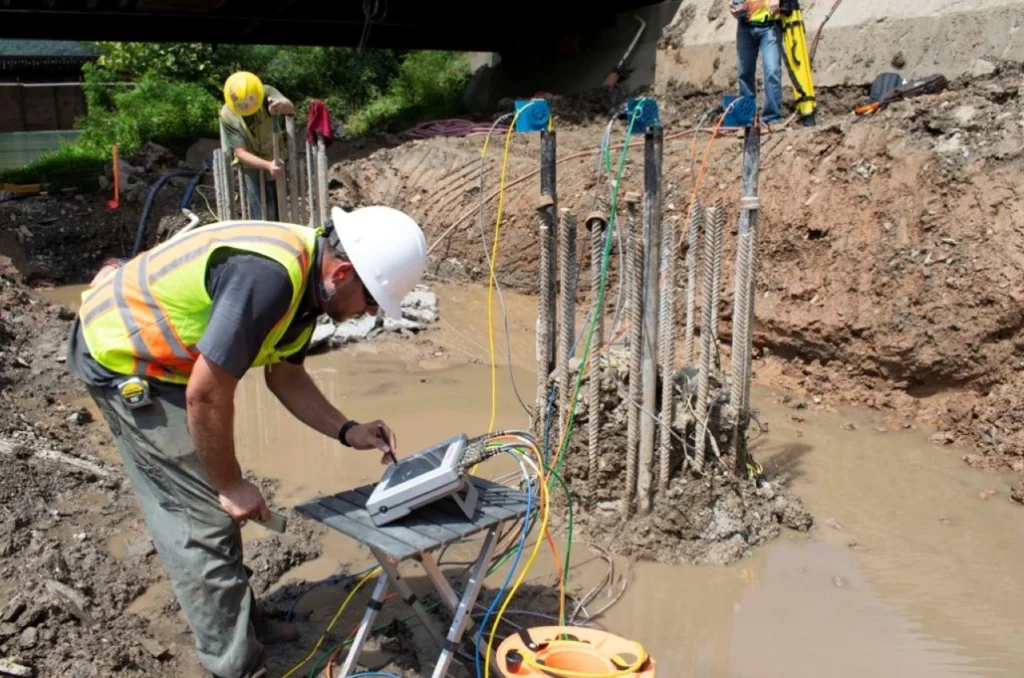
The Crosshole Sonic Logging Test is a non-destructive method used to assess the internal quality of concrete piles and drilled shafts. It involves placing small tubes within fresh concrete during casting. Once the concrete cures, ultrasonic waves are transmitted through the tubes to detect any anomalies inside the pile. Variations in wave speed or intensity indicate potential defects such as voids or poorly consolidated areas.
This test is particularly effective for drilled shafts, bored piles, and other deep foundation elements. Unlike visual inspections or surface-level testing, the Crosshole Sonic Logging Test can reveal hidden defects that may affect structural performance. The method is recognized internationally and adheres to ASTM and AASHTO standards, making it a trusted tool for engineers and contractors in the Philippines.
Importance of Crosshole Sonic Logging Test in Construction
Structural failures often originate from hidden weaknesses in concrete foundations. Detecting these defects before they cause problems is essential for project safety and longevity. The Crosshole Sonic Logging Test provides clear data on the internal condition of piles, allowing construction teams to address issues before further work continues.
Using Crosshole Sonic Logging Test reduces the risk of future structural repairs, which can be costly and time-consuming. It also ensures compliance with safety regulations and construction standards. Foundations tested using CSL methods deliver predictable performance under load, which is critical for high-rise buildings, bridges, and other large-scale projects.
Contractors and engineers benefit from reliable data provided by the Crosshole Sonic Logging Test. By identifying defects early, projects remain on schedule and within budget while maintaining the highest standards of safety and quality. The test also provides confidence to stakeholders, ensuring that structural integrity is not left to assumption.
About Inch-On Materials Testing Laboratory
Inch-On Materials Testing Laboratory has established itself as a trusted partner in the Philippine construction industry since its founding in November 2018. Accredited by the Department of Public Works and Highways – Bureau of Research and Standards (DPWH-BRS), Inch-On specializes in both laboratory and on-site testing of soil, concrete, and foundation piles.
As an independent facility, Inch-On provides accurate and unbiased results for Crosshole Sonic Logging Test and other construction material evaluations. The laboratory strictly follows ASTM and AASHTO standards, guaranteeing reliable outcomes for engineers and contractors. Inch-On’s team combines technical expertise with advanced equipment to ensure that every test delivers actionable results.
Clients rely on Inch-On for high-precision services that enhance safety, compliance, and long-term project performance. The laboratory also provides tailored recommendations based on testing results, helping construction teams make informed decisions regarding foundation quality.
How Crosshole Sonic Logging Test Works
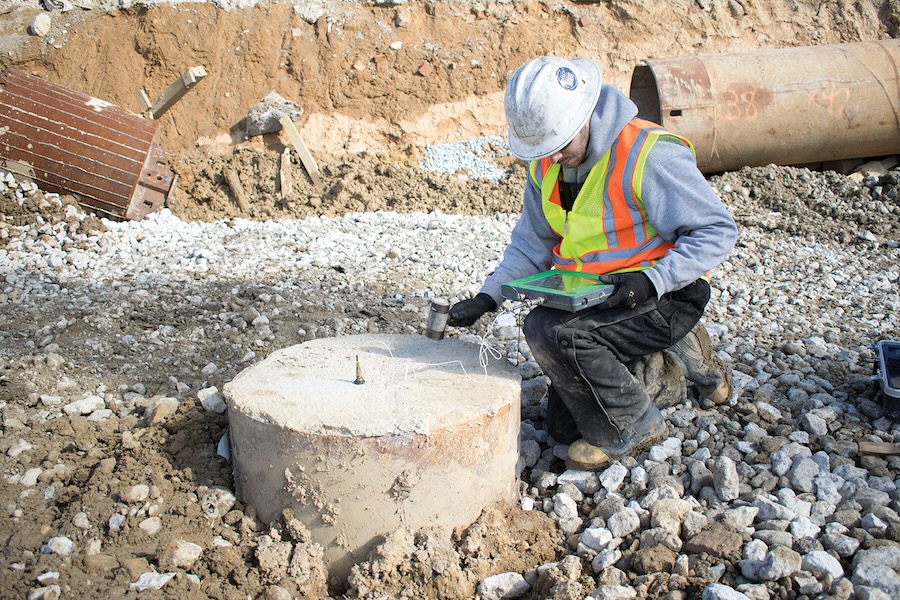
The Crosshole Sonic Logging Test follows a systematic process designed to provide accurate insights into the internal condition of concrete piles. The procedure begins by placing PVC or steel tubes within freshly poured concrete. Once the concrete cures, ultrasonic transmitters and receivers are inserted into the tubes.
The transmitter sends a sonic pulse through the concrete while the receiver measures the travel time and amplitude of the waves. Areas with uniform, high-quality concrete allow the signal to pass efficiently, while voids, honeycombing, or poorly consolidated sections slow the waves or reduce their intensity. The results are recorded as a profile of the pile’s internal structure.
Engineers analyze the data to identify defects and assess overall pile quality. The Crosshole Sonic Logging Test is particularly advantageous because it provides quantitative measurements rather than visual or subjective assessments. This allows construction teams to address potential issues promptly, maintaining safety and structural integrity.
Field and Laboratory Testing at Inch-On
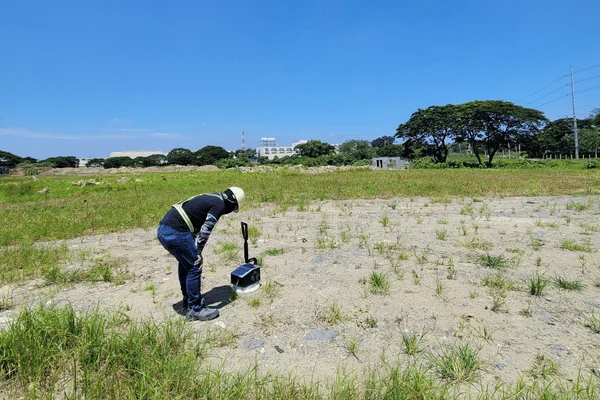
Field Testing at Inch-On involves on-site evaluation of soil, concrete, and pile foundations. Conducting tests at the construction site provides real-time data on conditions that affect foundation performance. This includes assessing soil bearing capacity, concrete strength, and pile consolidation. Field testing is essential for detecting potential risks before additional construction proceeds.
Laboratory Testing complements field work by providing controlled analysis of soil and construction materials. Inch-On uses state-of-the-art apparatus to evaluate concrete quality, soil properties, and other construction components. Laboratory tests follow standardized procedures, ensuring consistent and accurate results.
Together, field and laboratory testing support the Crosshole Sonic Logging Test by confirming that both the materials and the finished piles meet rigorous standards. This integrated approach helps projects maintain structural integrity from the ground up.
Benefits of Choosing Inch-On for Crosshole Sonic Logging Test
Selecting Inch-On for Crosshole Sonic Logging Test offers several advantages. The laboratory’s advanced equipment and experienced technicians ensure precise detection of defects. Clients benefit from actionable insights that allow immediate corrective measures when necessary.
Testing with Inch-On ensures compliance with DPWH, ASTM, and AASHTO standards. Engineers can confidently rely on the results to make critical decisions regarding foundation safety. The Crosshole Sonic Logging Test also provides a detailed record of pile quality, which is valuable for project documentation and quality assurance.
Foundations tested using Inch-On’s services demonstrate long-term reliability, helping prevent costly repairs and safety incidents. Contractors and project managers gain peace of mind knowing that their piles meet international standards and local regulations.
Common Applications of Crosshole Sonic Logging Test
The Crosshole Sonic Logging Test is widely applied in construction projects that involve deep foundations. Some typical applications include:
- High-rise buildings that rely on drilled shafts for vertical load support.
- Bridges and overpasses where deep foundations are critical for stability.
- Industrial facilities and heavy infrastructure requiring high-strength concrete piles.
- Projects in challenging soil conditions where foundation quality must be verified.
CSL testing provides valuable data for each of these scenarios, helping construction teams ensure that foundations are free from hidden defects.
Tips for Preparing for Crosshole Sonic Logging Test
Proper preparation ensures accurate results from Crosshole Sonic Logging Test. Key considerations include:
- Installing test tubes correctly during concrete pouring.
- Allowing sufficient curing time for concrete before testing.
- Ensuring access to piles and equipment during testing.
- Coordinating with laboratory technicians to provide site information and project specifications.
Following these steps helps maximize the accuracy and effectiveness of CSL testing. Inch-On’s experienced team guides clients through preparation, minimizing errors and ensuring reliable outcomes.
Frequently Asked Questions (FAQ)
What is the main purpose of a Crosshole Sonic Logging Test?
The primary purpose is to detect hidden defects in concrete piles, such as voids, honeycombing, or poorly consolidated areas, ensuring safe and reliable foundations.
How long does Crosshole Sonic Logging Test take?
The duration depends on pile length and number of piles, but typical testing for a single pile takes a few hours. Large projects may require several days to complete all testing.
Is Crosshole Sonic Logging Test safe for the concrete?
Yes, it is a non-destructive testing method. The concrete remains intact, and no structural damage occurs during testing.
Which types of foundations can be tested using CSL?
Drilled shafts, bored piles, and deep foundation elements are suitable for CSL testing. The method is effective for both small and large-scale construction projects.
Can CSL testing replace other foundation tests?
CSL testing complements other testing methods such as load testing and material analysis. Combining methods provides a complete assessment of foundation quality.
Why choose Inch-On for CSL testing?
Inch-On provides accredited, precise, and reliable testing services. The laboratory follows ASTM, AASHTO, and DPWH-BRS standards, ensuring accurate results for engineers and contractors.Crosshole Sonic Logging Test