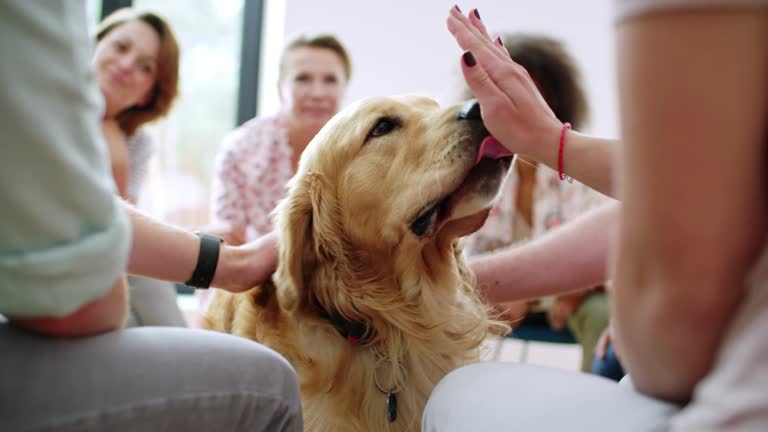
Understanding the role of a pet loss counselor begins with recognizing how deeply the bond between humans and their animals truly runs. Many pet owners consider their companion animals as family members, which makes the experience of losing them emotionally overwhelming. Pet loss counselor training equips individuals with the specialized knowledge needed to guide grieving owners with care, empathy, and professionalism. This training focuses on understanding emotional processes, validating feelings that society often minimizes, and acknowledging the significant role pets play in people’s day-to-day lives. As the demand for emotional support around animal loss grows, more professionals are turning toward this field as a meaningful and fulfilling career path. The training also prepares counselors to navigate various types of grief, including sudden loss, chronic illness, or end-of-life decisions. Ultimately, becoming effective in this role requires a strong foundation in both compassion and grief-support techniques.
Understanding the Role and Purpose of Pet Loss Counselors
Pet loss counselor training is built around learning how to guide clients through complex emotional experiences. Since pet loss is often dismissed or misunderstood, many individuals feel isolated while grieving, making professional support crucial. Trained counselors understand the psychological and social challenges that emerge when someone loses a beloved animal companion. They also learn how to provide validation, which can help clients process emotions without guilt or shame. The role often extends beyond talking through grief, as many counselors help pet parents navigate memorialization, decision-making, and emotional readiness for a future pet. This career empowers professionals to create safe, compassionate environments where clients can express themselves freely. By the time training is complete, counselors are equipped to work with individuals from diverse backgrounds, each experiencing grief in unique ways.
Core Components of Pet Loss Counselor Training Programs
Training programs include foundational lessons on grief theory and the emotional stages associated with loss. These programs teach how pet-related grief can differ from other types of bereavement due to the deep emotional roles animals play. Students also develop communication skills that help them effectively support clients during difficult conversations. They explore techniques such as active listening, empathy-based dialogue, and emotional validation. Ethical training is another essential component, focusing on maintaining healthy boundaries and providing support without projecting assumptions. Many programs incorporate cultural awareness training, which helps future counselors understand how different households and traditions approach pet care and loss. By the end, students gain the tools needed to create emotionally supportive and professional counseling sessions.
Essential Skills Gained Through Pet Loss Counselor Training
Students develop various specialized skills essential to working with pet owners experiencing grief. These skills empower counselors to address the emotional intricacies of pet loss and support clients at every stage of their healing. Among the skills covered in training are the following:
• Techniques for guiding individuals through anticipatory grief
• Methods for supporting clients facing sudden loss
• Emotional resilience-building approaches for counselors
• Strategies for assisting children, seniors, and families
• Tools for providing ongoing coping assistance
Each of these skills plays a significant role in shaping a compassionate and effective counselor. During training, students also learn how to help clients process euthanasia decisions, which can carry deep emotional weight. Counselors practice guiding individuals through guilt, regret, and confusion, validating those feelings while helping them progress toward acceptance. This skill set ensures that professionals are ready to support a wide range of emotional responses in numerous real-world scenarios.
Training Pathways and Certification Options
Pet loss counselor training programs come in various formats, allowing students to choose what best aligns with their schedules and learning preferences. Some prefer comprehensive certification programs that include supervised practice, while others choose shorter continuing education courses for professional enhancement. Training may be offered online, in person, or through blended learning models. Coursework typically covers theoretical knowledge, emotional support techniques, and ethical considerations related to grief counseling. Many certification programs also require reflective assignments that help students understand their own emotional responses to loss. Evaluating the quality of a program often depends on accreditation, course depth, and the experience of instructors. Cost and duration vary widely, making it important for students to research and compare options that match their goals.
Applying Pet Loss Counseling to Real-World Scenarios
Once individuals complete pet loss counselor training, they can work in a variety of settings that support grieving pet owners. Many professionals collaborate with veterinary clinics to offer emotional support following difficult appointments or euthanasia. Others choose to work remotely, offering tele-counseling services for clients who prefer to grieve in the comfort of their home. Pet loss counselors also assist those dealing with traumatic circumstances such as accidents or sudden illness. They help clients make memorial decisions, process complex emotions, and rebuild emotional stability. Counselors in this field may also host group support sessions or workshops to help multiple individuals connect over shared experiences. This practical application helps bridge emotional understanding with meaningful healing.
Building a Long-Term Career as a Certified Pet Loss Counselor
After completing pet loss counselor training, many professionals develop fulfilling careers assisting pet owners through grief. Some choose to open private practices that focus solely on companion-animal bereavement support. Others integrate their skills into existing professions such as veterinary medicine, mental health services, or life coaching. Marketing plays an important role in building a successful practice, and professionals often partner with veterinarians, shelters, groomers, and pet-related businesses. Offering services such as grief support groups, online workshops, or personalized memorial sessions can also help counselors expand their offerings. Continuing education ensures counselors stay updated on new grief research and emotional support techniques. With compassion and dedication, long-term career opportunities in this field continue to grow.
Helpful Resources for Students and Practitioners
Those pursuing pet loss counselor training benefit from a variety of supportive tools and professional resources. Books and online coursework can expand understanding beyond the standard curriculum. Many organizations offer workshops that teach advanced techniques for grief support. Professional associations provide opportunities for networking with other counselors in the field. Practitioners can access productivity tools, session-tracking platforms, and scheduling software to streamline their practices. Emotional wellness resources help prevent burnout, which is especially important in grief-related professions. These resources collectively support counselors as they continue to grow personally and professionally.
Frequently Asked Questions (FAQ)
What qualifications are needed to enroll in pet loss counselor training?
Most programs welcome individuals with or without formal counseling experience, as long as they have a genuine desire to support grieving pet owners.
How long does training usually take?
Program length varies and may range from a few weeks to several months depending on course structure and certification requirements.
Can someone without a mental health background pursue this field?
Yes, many individuals enter the field from animal care roles, coaching, or personal interest in grief support.
Are there career opportunities after certification?
Certified professionals may work independently, partner with veterinary clinics, join animal welfare organizations, or offer remote counseling services.
Is online training as effective as in-person learning?
Quality online programs provide comprehensive instruction, interactive modules, and practical exercises, making them a strong alternative to in-person training.
Can pet loss counselors work remotely?
Yes, many counselors operate fully online, offering virtual sessions that allow clients to grieve comfortably from home.
Takeaway
Pet loss counselor training equips compassionate individuals with the expertise needed to support pet owners during one of the most emotional experiences they may face. This specialized field blends empathy, structured communication, and grief theory to create meaningful guidance for those coping with the loss of a beloved animal companion. With proper training, professionals can make a lasting impact by helping clients process emotions, build resilience, and honor their cherished pets through healing and understanding.